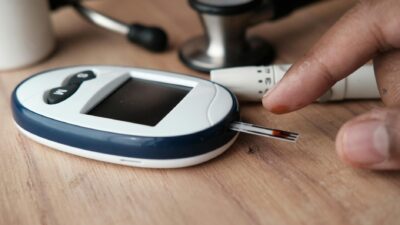
Foods that stabilize blood sugar share four properties: they are high in fiber, rich in protein or healthy fat, minimally processed, and low to moderate on the glycemic index. The most evidence-backed options include legumes (lentils, chickpeas, black beans), non-starchy vegetables (leafy greens, broccoli, peppers), eggs, fatty fish like salmon, nuts and seeds, Greek yogurt, berries, and intact whole grains such as steel-cut oats and barley.
How Foods Stabilize Blood Sugar
Stability means your glucose does not spike sharply after eating and does not crash into a hypoglycemic valley two hours later. Four mechanisms drive it:
- Slow gastric emptying: Fat, protein, and soluble fiber keep food in the stomach longer.
- Slower glucose absorption: Viscous fibers (beta-glucan, psyllium, pectin) form a gel that meters glucose into the bloodstream.
- Improved insulin response: Polyphenols, magnesium, and chromium support better insulin signaling.
- Lower overall carb load: A meal with 30 g of carbs from lentils behaves very differently from 30 g from white bread.
The Top Foods That Stabilize Blood Sugar
Legumes: Lentils, Chickpeas, Black Beans
Legumes have a glycemic index of 25 to 35 and deliver 7 to 15 g of fiber per cup. A 2018 meta-analysis in The American Journal of Clinical Nutrition found that adding one cup of legumes per day lowered A1C by 0.5 percentage points over 12 weeks.
Non-Starchy Vegetables
Leafy greens, broccoli, cauliflower, zucchini, peppers, mushrooms, and asparagus contain 2 to 5 g of carbs per cup and high volume. Eating vegetables first in the meal lowers the post-meal peak by 20 to 30 percent.
Eggs
Zero carb, 6 g of protein each, and rich in choline. Studies show egg-based breakfasts lower post-meal glucose and extend satiety for four to six hours.
Fatty Fish
Salmon, sardines, mackerel, and herring provide omega-3 fatty acids (EPA and DHA) that reduce inflammation and improve insulin signaling. The American Diabetes Association 2024 nutrition guidelines recommend two servings of fatty fish per week for people with diabetes or prediabetes.
Nuts and Seeds
Almonds, walnuts, pistachios, chia, and flax add protein, fiber, magnesium, and healthy fat. Studies on almonds show that 1 to 2 oz before or with a carb-containing meal reduces the glucose peak by about 30 percent.
Greek Yogurt and Cottage Cheese
Plain, unsweetened Greek yogurt has about 17 g of protein and 6 g of carb per 3/4 cup. The protein plus probiotics support both stable glucose and gut health. Avoid the flavored versions with added sugar.
Berries
Blueberries, strawberries, raspberries, and blackberries are the lowest-sugar fruits, loaded with anthocyanins that studies link to improved insulin sensitivity. A half-cup after a meal usually barely nudges glucose.
Intact Whole Grains
Steel-cut oats, barley, quinoa, farro, and wheat berries keep the bran and germ that slow digestion. They behave very differently from flour-based products like whole-wheat bread.
Avocado and Olive Oil
Monounsaturated fats slow gastric emptying and, in the case of extra-virgin olive oil, deliver polyphenols that improve fasting glucose in some trials.
Vinegar
One to two tablespoons of apple cider or red wine vinegar in a salad dressing before a carb-heavy meal lowers the post-meal peak by 20 to 30 percent in small trials.
Glycemic Index Reference
| Food | Approximate GI | Category |
|---|---|---|
| Lentils | 29 | Low |
| Chickpeas | 28 | Low |
| Greek yogurt | 11 | Low |
| Apple | 36 | Low |
| Steel-cut oats | 55 | Medium |
| Brown rice | 68 | Medium |
| White bread | 75 | High |
| Mashed potato | 83 | High |
| Cornflakes | 81 | High |
Pairing and Plate Strategy
The Plate Method
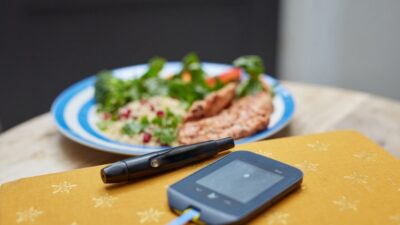
Fill half your plate with non-starchy vegetables, one quarter with protein (chicken, fish, tofu, eggs, beans), and one quarter with intact whole grains or starchy vegetables. Add one to two tablespoons of healthy fat (olive oil, avocado, nuts).
Food Order Matters
Eat vegetables and protein first, carbs last. A Weill Cornell trial showed this reordering alone lowered the post-meal peak by 37 percent without changing calories.
Add a Walk
Ten to 15 minutes of walking within 30 minutes of finishing a meal cuts the peak by 15 to 30 percent and is free.
Foods to Limit
- Sugar-sweetened beverages (soda, juice, sweet tea, flavored lattes)
- White bread, white rice, instant noodles
- Pastries, cookies, candy
- Breakfast cereals with added sugar
- Sweetened yogurt
- Ultra-processed snacks high in refined starch and sugar
Dietary Patterns That Work
Large trials support the Mediterranean diet (PREDIMED) and DASH diet for lowering A1C and blood pressure. Both prioritize vegetables, legumes, whole grains, fish, olive oil, and limited red meat and added sugar. Visit our diet and nutrition hub for meal planning details and check A1C levels every three to six months to track progress.
Sample Stable Blood Sugar Day
- Breakfast: Steel-cut oats cooked with chia seeds, topped with a handful of blueberries and walnuts, plus two scrambled eggs.
- Lunch: Large salad with mixed greens, chickpeas, cucumber, tomato, feta, grilled chicken, olive oil, and red wine vinegar.
- Snack: Plain Greek yogurt with flax seeds and raspberries.
- Dinner: Baked salmon, roasted broccoli and peppers, quinoa, avocado slices.
- Evening: A small handful of almonds or a square of dark chocolate.
The Bottom Line
The foods that stabilize blood sugar are simple and familiar: legumes, non-starchy vegetables, eggs, fatty fish, nuts, seeds, berries, and intact whole grains. Combined with good meal ordering and a short post-meal walk, they keep post-meal peaks in a healthy range and, over time, lower A1C and improve insulin sensitivity. Small daily choices add up more than any single food.
Medical disclaimer: This article is for educational purposes only and is not a substitute for professional medical advice, diagnosis, or treatment. Always consult your physician or registered dietitian with questions about dietary changes.