The foods to avoid with high blood sugar are sugary drinks, refined grains, fried foods, ultra-processed snacks, and concentrated sweets. These items spike glucose fast, drive insulin resistance, and crowd out nutrient-dense foods. Knowing what to swap in matters just as much as what to cut out.
The Top Offenders
1. Sugar-Sweetened Beverages
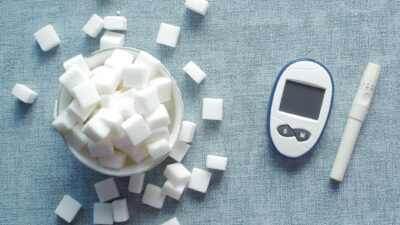
Soda, fruit juice, sports drinks, sweet tea, energy drinks, and flavored coffee drinks are the single biggest drivers of blood sugar spikes. A 20-ounce soda contains 65 grams of sugar – more than twice the daily limit recommended by the American Heart Association. Because the sugar is liquid, there is no fiber or fat to slow absorption; glucose hits the bloodstream within minutes.
2. White Bread, White Rice, and Refined Grains
Refined grains have been stripped of fiber and most nutrients, leaving a starch that digests almost instantly into glucose. White bread, white rice, pasta made from white flour, bagels, crackers, pretzels, and breakfast cereals can raise blood glucose as much as pure sugar. A single bagel often spikes glucose more than a can of soda.
3. Pastries, Cookies, and Baked Sweets
Donuts, muffins, croissants, cookies, and cakes combine refined flour, added sugar, and often trans fats or refined oils. The combination spikes glucose and insulin while promoting inflammation. These foods offer minimal satiety, so portion control is genuinely difficult.
4. Fried Foods
French fries, fried chicken, doughnuts, onion rings, and fried snacks deliver a double hit: starch spikes glucose, and damaged oils (especially reheated seed oils) drive insulin resistance independently of carb content. Studies link frequent fried food consumption to a 15-20% higher risk of type 2 diabetes.
5. Ultra-Processed Snacks
Chips, crackers, packaged cookies, sweetened granola bars, flavored yogurts, and frozen meals often contain refined carbs, added sugar, sodium, and industrial oils. Research published in BMJ links each 10% increase in ultra-processed food consumption to a 15% higher type 2 diabetes risk.
6. Breakfast Cereals and Flavored Yogurts
Most boxed cereals are majority refined grain plus added sugar – marketing aside. Flavored yogurts can contain 15-25 grams of added sugar per cup. Both are positioned as healthy but behave like desserts in your bloodstream.
7. Sweetened Condiments and Sauces
Barbecue sauce, sweet chili sauce, ketchup, teriyaki, sweet salad dressings, and many pasta sauces sneak in 4-15 grams of added sugar per tablespoon. They add up quickly.
8. Alcohol in Excess
Beer and sweet cocktails contain rapidly absorbed carbs. Beyond that, heavy drinking impairs liver glucose regulation and can cause unpredictable swings, especially for those on insulin. Moderate use (up to 1 drink for women, 2 for men daily) with food is generally acceptable.
Smart Swaps Table
| Instead of… | Try… |
|---|---|
| Soda or juice | Sparkling water with lemon |
| White bread | 100% whole-grain or sprouted bread |
| White rice | Quinoa, cauliflower rice, or lentils |
| Sugary cereal | Steel-cut oats with berries and nuts |
| French fries | Roasted sweet potato or cauliflower |
| Flavored yogurt | Plain Greek yogurt with berries |
| Potato chips | Nuts, seeds, or roasted chickpeas |
| Candy | Dark chocolate (70%+) with a handful of almonds |
| Pasta (white) | Legume-based or whole-grain pasta, smaller portions |
| Ice cream | Frozen berries blended with Greek yogurt |
What to Eat Instead
Building meals around these foods naturally displaces the problem items:
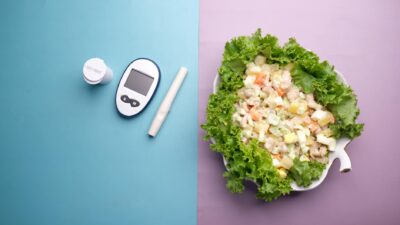
- Non-starchy vegetables: leafy greens, broccoli, cauliflower, zucchini, peppers, mushrooms, asparagus, tomatoes, cucumbers.
- Lean proteins: chicken, fish, eggs, tofu, tempeh, Greek yogurt, cottage cheese.
- Healthy fats: olive oil, avocado, nuts, seeds, fatty fish.
- Legumes: lentils, chickpeas, black beans – high protein and fiber.
- Low-glycemic whole grains: steel-cut oats, quinoa, barley, bulgur.
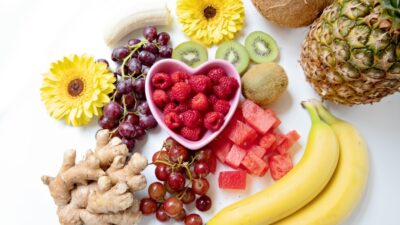
- Whole fruit in moderation: berries, apples, pears, citrus, kiwi.
For complete meal frameworks, explore our diet and nutrition hub.
The Plate Method
The ADA’s plate method offers a simple template: fill half your 9-inch plate with non-starchy vegetables, a quarter with lean protein, and a quarter with high-fiber carbs. Add healthy fats in small amounts. This automatically limits portions of higher-glycemic foods while maximizing nutrient density.
Meal Order Matters
Research shows eating protein and fiber before carbohydrates can reduce post-meal glucose spikes by 20-40%. Try salad or vegetables first, protein next, starchy or sugary foods last. A 10-20 minute walk after meals adds another 20-30% glucose reduction.
Context for People With Prediabetes or Diabetes
If you have prediabetes or diabetes, food quality matters more than any single rule. Small, consistent changes compound. For a full reversal roadmap, see our prediabetes reversal guide. Work with your doctor or a registered dietitian to personalize the plan around your labs, preferences, and culture.
The Bottom Line
The foods to avoid with high blood sugar are sugary drinks, refined grains, pastries, fried foods, ultra-processed snacks, and heavy alcohol use. Focus on what you are adding: vegetables, protein, healthy fats, legumes, and whole grains. Meal order and post-meal walks amplify the benefits. Talk with your doctor or dietitian about personalizing the plan for your health profile.