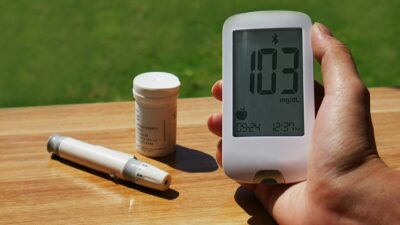
Fruits that help blood sugar control include berries (blueberries, strawberries, raspberries, blackberries), cherries, apples, pears, grapefruit, and avocado — all with low glycemic index, high fiber, and polyphenols that improve insulin sensitivity. These fruits do not lower blood sugar like a medication, but regular consumption is linked to modestly reduced type 2 diabetes risk in observational studies. Pair with protein, fat, or fiber for maximum benefit. Avoid fruit juice, dried fruit snacks, and very ripe high-GI fruits if glucose control is a priority.
The Best Fruits for Blood Sugar
| Fruit | GI | Serving | Carbs (g) | Fiber (g) | Why It Helps |
|---|---|---|---|---|---|
| Blueberries | 53 | 1 cup | 21 | 3.6 | Anthocyanins improve insulin sensitivity |
| Strawberries | 40 | 1 cup sliced | 12 | 3.0 | Low carb, high vitamin C |
| Raspberries | 32 | 1 cup | 15 | 8.0 | Highest fiber of all fruits |
| Blackberries | 25 | 1 cup | 14 | 7.6 | High fiber and polyphenols |
| Cherries (sweet) | 22 | 1 cup | 25 | 3.2 | Low GI, high melatonin and anthocyanins |
| Grapefruit | 25 | 1/2 medium | 11 | 1.8 | Polyphenols, pectin — medication interactions |
| Apple with skin | 39 | 1 medium | 25 | 4.4 | Pectin, quercetin, phlorizin |
| Pear | 38 | 1 medium | 27 | 5.5 | Highest fiber per serving of common fruits |
| Avocado | Under 15 | 1/2 medium | 9 | 7.0 | Monounsaturated fat, fiber; essentially no sugar |
| Orange | 40 | 1 medium | 15 | 3.1 | Vitamin C, pectin, hesperidin |
| Peach | 42 | 1 medium | 14 | 2.3 | Low carb, polyphenols |
| Plum | 39 | 1 medium | 8 | 1.0 | Low carb per piece |
| Kiwi | 52 | 1 medium | 10 | 2.1 | Vitamin C, actinidin enzyme |
Why These Fruits Help
Fiber Slows Absorption
- Soluble fiber (pectin in apples, pears, citrus) forms a gel that slows glucose absorption
- Insoluble fiber (berries, pears) adds bulk and slows gastric emptying
- Combination reduces post-meal glucose peak by 15 to 30 percent vs low-fiber carbs
Polyphenols Improve Insulin Signaling
- Anthocyanins (purple/red pigments in berries, cherries, plums) improve insulin sensitivity
- Quercetin (apples, cherries, grapes) inhibits alpha-glucosidase (slower carb digestion)
- Catechins (apples) reduce intestinal glucose absorption
- Phlorizin (apple skin) reduces renal glucose reabsorption (same target as SGLT2 inhibitors)
- Hesperidin (citrus) supports vascular function in diabetes
Acidity Slows Gastric Emptying
- Citric acid (grapefruit, lemon, lime, orange) slows gastric emptying
- Post-meal glucose peak reduced 10 to 20 percent with citrus before meals
Low Glycemic Index
- Fruits with GI under 55 produce a gentle, sustained glucose rise
- Less insulin demand means less post-meal glucose spike
Pairing for Maximum Benefit
- Apple + almond butter: protein and fat lower glucose peak further
- Berries + Greek yogurt: high protein, high fiber
- Grapefruit + cottage cheese: high protein with citric acid
- Avocado + eggs: fat and protein — essentially zero glucose impact
- Pear + walnuts: fiber and healthy fat
- Cherries + plain yogurt: low GI with protein
- Berries + chia seeds + flaxseed: extreme fiber combination
Daily Fruit Routine for Blood Sugar Control
- Breakfast: 1/2 cup berries with Greek yogurt or added to oatmeal
- Mid-morning: 1 small apple with peanut butter if hungry
- Lunch: Side of 1/2 grapefruit or 1 orange (no juice)
- Afternoon: 1 cup berries alone or with cottage cheese
- Evening: 1/2 avocado in salad or on toast
- Target: 2 to 3 servings of fruit per day, spread across meals
- Avoid: fruit juice, dried fruit snacks, and high-GI fruits in large portions
What the Research Shows
- Muraki 2013 (Harvard, 3 cohorts): 3 weekly servings of blueberries, grapes, or apples reduced type 2 diabetes risk by 7 to 26 percent
- PREDIMED study: whole fruit in Mediterranean diet reduced diabetes incidence
- Multiple small trials: daily berry consumption improves fasting insulin and HOMA-IR
- Observational cohort studies: high fruit intake (2+ servings daily) associated with lower A1C in existing diabetes
- Fruit juice consistently NOT protective; some studies show it raises diabetes risk
Fruits to Limit or Avoid
| Fruit | Why to Limit | Better Alternative |
|---|---|---|
| Watermelon (large portions) | Very ripe: GI 80; large portions spike glucose | Cantaloupe 1-cup portion |
| Pineapple (ripe, large portion) | GI 66; high carb in typical serving | Fresh berries |
| Very ripe banana | GI 62-70 | Green/underripe banana, small apple |
| Mango (large portion) | GI 51-60; concentrated sugar | Peach, plum |
| Raisins, dried apricots, dates | Concentrated sugar; easy to overeat | Small amount with nuts as pairing |
| Canned fruit in syrup | Added sugar | Canned fruit in 100% juice, drained |
| Fruit juice (even 100%) | No fiber; rapid glucose rise | Whole fruit |
| Smoothies with fruit + juice | Concentrated sugar | Smoothie with whole fruit + protein + water |
Special Considerations
- Grapefruit and medications: interacts with statins, some blood pressure drugs, immunosuppressants, antiarrhythmics — check with pharmacist
- Tropical fruits: higher GI than temperate fruits; limit portions
- Berries availability: frozen berries work equally well and are often cheaper
- Children: same targets apply; whole fruit, portion-controlled
- Type 1 diabetes: count carbs and dose insulin accordingly
Related Reading
See our guides on diet-and-nutrition, high glycemic fruits, and apple glycemic index.
The Bottom Line
Fruits that support blood sugar control include berries, cherries, apples, pears, grapefruit, and avocado — all low-GI, high-fiber, and rich in polyphenols that improve insulin sensitivity over time. No fruit acts like a medication to bring glucose down acutely, but regular consumption of low-GI whole fruits is linked to modestly reduced type 2 diabetes risk and lower A1C in existing diabetes. Pair with protein, fat, or fiber. Aim for 2 to 3 servings of whole fruit daily; avoid juice and dried fruit snacks. For maximum benefit, berries and apples with skin have the best-studied evidence.