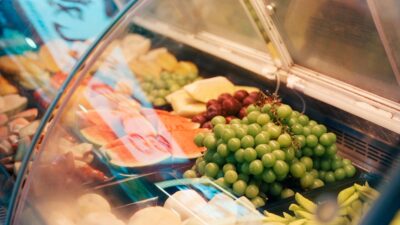
High glycemic fruits include watermelon, pineapple, very ripe bananas, cantaloupe, dates, raisins, and other dried fruits. These have glycemic index values above 70 and can cause significant glucose spikes when eaten alone in large portions. However, glycemic load matters more than glycemic index — a small serving of watermelon may spike glucose less than a large bowl of a medium-GI fruit. Pairing with protein, fat, or fiber substantially blunts the curve. For prediabetes and type 2 diabetes, 2 servings of fruit daily is the target, weighted toward lower-GI berries and citrus with high-GI fruits as occasional additions.
Glycemic Index of Common Fruits
| Fruit | Serving | GI | Carbs (g) | Fiber (g) | GL |
|---|---|---|---|---|---|
| Watermelon | 1 cup diced | 72–80 | 11 | 0.6 | 4 |
| Pineapple (fresh) | 1 cup chunks | 66 | 22 | 2.3 | 15 |
| Banana (ripe) | 1 medium | 62 | 27 | 3.1 | 17 |
| Banana (green) | 1 medium | 42 | 27 | 3.1 | 11 |
| Cantaloupe | 1 cup cubes | 65 | 13 | 1.4 | 8 |
| Dates (Medjool) | 2 dates | 62–103 | 36 | 3.2 | 22 |
| Raisins | 1/4 cup | 64 | 31 | 1.5 | 20 |
| Dried apricots | 6 halves | 56 | 15 | 2.0 | 8 |
| Mango | 1 cup chunks | 51–60 | 25 | 2.6 | 13 |
| Papaya | 1 cup cubes | 58 | 16 | 2.5 | 9 |
| Kiwi | 1 medium | 52 | 10 | 2.1 | 5 |
| Grapes | 1 cup | 46–59 | 27 | 1.4 | 13 |
| Orange | 1 medium | 40–43 | 15 | 3.1 | 6 |
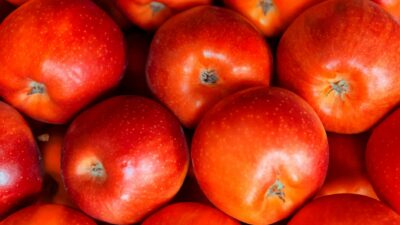
| Apple (with skin) | 1 medium | 39 | 25 | 4.4 | 10 |
| Pear | 1 medium | 38 | 27 | 5.5 | 10 |
| Peach | 1 medium | 42 | 14 | 2.3 | 6 |
| Strawberries | 1 cup sliced | 40 | 12 | 3.0 | 5 |
| Blueberries | 1 cup | 53 | 21 | 3.6 | 11 |
| Raspberries | 1 cup | 32 | 15 | 8.0 | 5 |
| Cherries (sweet) | 1 cup | 22 | 25 | 3.2 | 6 |
| Grapefruit | 1/2 medium | 25 | 11 | 1.8 | 3 |
Why Glycemic Load Matters More Than Glycemic Index
Glycemic index describes how fast a standard 50-gram carb portion of a food raises glucose compared to pure glucose. But real servings vary. Watermelon has a GI of 72 but only 11 grams of carbs in a 1-cup serving, giving a glycemic load of just 4 — actually lower than a cup of blueberries at GL 11. Portion size is the overlooked lever in most “high GI food” discussions.
How Ripeness Affects Glucose
- Green, slightly underripe fruit has higher resistant starch and fiber content — lower GI
- Fully ripe fruit has more converted fructose and glucose — higher GI
- Banana: 42 (green) to 70 (very ripe)
- Mango: 41 (just-ripe) to 60 (soft)
- Pineapple: 66 (firm) to 84 (very ripe)
- Practical tip: if you find you spike on bananas, eat them slightly underripe
How Preparation Affects Glucose
| Form | GI Impact | Example |
|---|---|---|
| Whole fruit with skin | Lowest | Apple, pear |
| Peeled whole fruit | Slightly higher | Apple peeled |
| Sliced fruit | Similar to whole | Banana sliced |
| Smoothie (blended whole fruit with yogurt) | Slightly higher than whole | Strawberry smoothie |
| Juice (no pulp) | Much higher — fiber removed | Orange juice |
| Dried fruit | Much higher — concentrated sugar | Raisins, dried mango |
| Canned in syrup | Highest — added sugar | Canned peaches in syrup |
Pairing Strategies That Blunt the Spike
Protein, fat, and soluble fiber delay gastric emptying and slow glucose absorption. Each can reduce the post-fruit glucose peak by 25 to 50 percent.
- Nut butter or whole nuts: apple slices with peanut butter, banana with almond butter
- Greek yogurt: berries mixed into plain full-fat or 2 percent yogurt
- Cheese: watermelon cubes with feta, apple slices with sharp cheddar
- Seeds: berries topped with chia or flax
- Eggs: fruit as a side with a protein-forward breakfast rather than as the main event
- Cottage cheese: pineapple or peach with cottage cheese
Smart Swaps
| Instead Of | Try | Why |
|---|---|---|
| Large banana as snack | 1/2 banana with peanut butter | Lower total carb, fat pairing |
| Handful of raisins | Handful of fresh grapes or strawberries | Far fewer concentrated sugars |
| Orange juice with breakfast | Whole orange with breakfast | Intact fiber, smaller glucose peak |
| Large slice of watermelon | 1 cup watermelon with feta | Protein pairing, portion control |
| Dried mango snack bag | Fresh mango slices with lime | Lower concentrated sugar |
| Smoothie with juice base | Smoothie with water or milk base | Removes added juice sugars |
Daily Fruit Targets for Prediabetes and Diabetes
- 2 servings per day (ADA general guidance)
- 1 serving = 1 small fruit, 1/2 large fruit, 1/2 cup chopped, 3/4 cup berries
- Prefer low-GI options for at least half of intake
- Limit high-GI fruits to 1 serving or less per day
- Limit fruit juice to 4 oz or less, only with a meal
- Avoid dried fruit as a regular snack — 1 to 2 tablespoons with mixed nuts is the safe way to include it
Related Reading
See our guides on diet-and-nutrition and our companion articles on watermelon glycemic index and apple glycemic index.
The Bottom Line
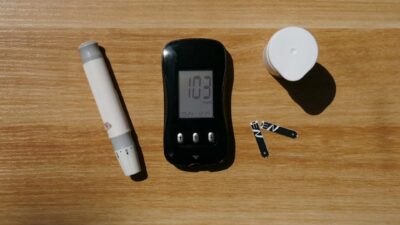
High glycemic fruits — watermelon, pineapple, ripe banana, cantaloupe, dates, and dried fruit — can fit into a diabetes or prediabetes diet when portions are controlled and they are paired with protein, fat, or fiber. Glycemic load (portion × GI) matters more than glycemic index alone. Favor whole fruit over juice, underripe over very ripe, and 1 to 2 servings per day over a high total fruit load. Berries, apples, pears, citrus, and cherries are dependable low-impact staples; watermelon and mango are fine in 1-cup portions paired with cheese or Greek yogurt. Test your own response with a CGM or post-meal finger stick to see how your body handles specific choices.