Watermelon has a glycemic index of 72 to 80, which officially puts it in the “high GI” category — but this is one of the clearest examples of why glycemic index alone is misleading. Watermelon is 92 percent water, with only 11 grams of carbs per cup, giving a glycemic load of about 4 to 8 per serving. That makes it a diabetes-friendly fruit in 1- to 2-cup portions, especially when paired with cheese, nuts, or another protein. Watermelon juice and very large portions are the outliers to watch.
The GI vs GL Gap, in Numbers
| Food | Serving | GI | Carbs (g) | GL per Serving |
|---|---|---|---|---|
| Watermelon | 1 cup diced | 72–80 | 11 | 4–8 |
| Watermelon | 3 cups diced | 72–80 | 33 | 12–24 |
| Watermelon juice | 8 oz | 72–80 | 18 | 13–14 |
| Cantaloupe | 1 cup cubes | 65 | 13 | 8 |
| Pineapple | 1 cup chunks | 66 | 22 | 15 |
| Blueberries | 1 cup | 53 | 21 | 11 |
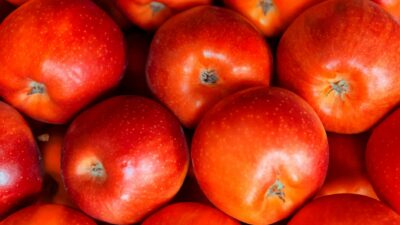
| Apple | 1 medium | 39 | 25 | 10 |
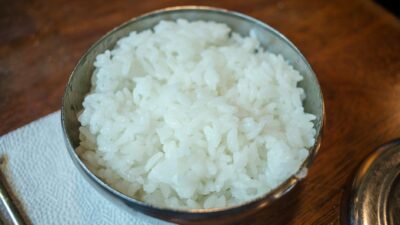
| White rice | 1 cup cooked | 73 | 45 | 33 |
| White bread | 1 slice | 75 | 14 | 11 |
A small serving of watermelon is a lower glycemic impact than a single slice of white bread.
Why Watermelon Has High GI But Low GL
Glycemic index is calculated per 50 grams of carbs — a portion that requires about 4.5 cups of watermelon. At that volume, watermelon does spike glucose because it is rapidly absorbed. But no one eats 4.5 cups as a serving. Real-world portions of 1 to 2 cups contain only 11 to 22 grams of carbs, giving a small glycemic load. This is why clinicians and dietitians recommend using glycemic load rather than glycemic index for portion-based decisions.
Nutritional Upside of Watermelon
| Nutrient | 1 Cup Diced (152 g) | % Daily Value |
|---|---|---|
| Calories | 46 | — |
| Water | 140 g (92%) | — |
| Carbs | 11 g | 4% |
| Fiber | 0.6 g | 2% |
| Sugar (natural) | 9 g | — |
| Protein | 1 g | — |
| Vitamin C | 12 mg | 13% |
| Vitamin A | 865 IU | 17% |
| Lycopene | ~6,000 μg | — |
| Citrulline | 150–250 mg | — |
| Potassium | 170 mg | 5% |
Lycopene is a carotenoid pigment with antioxidant activity; citrulline is an amino acid that the body converts to arginine, supporting nitric oxide production and vascular function. Both are worth having.
Best Pairings to Blunt Glucose Response
- Watermelon and feta: classic summer combo — salty cheese blunts glucose rise, adds protein and fat
- Watermelon and mint with pistachios: protein and fat from nuts, fiber from mint
- Watermelon and mozzarella skewers: fresh mozzarella, watermelon cubes, basil
- Watermelon with Greek yogurt: thick yogurt creates a slower-release meal
- Watermelon salad with arugula, goat cheese, and balsamic: composition slows absorption
- Watermelon and prosciutto: salty protein pairing
Preparation That Affects Glucose
| Form | Glucose Impact | Notes |
|---|---|---|
| Cubed watermelon | Low (GL 4–8 per cup) | Default — best choice |
| Watermelon salad with protein/fat | Very low | Paired form — recommended |
| Frozen watermelon cubes | Low | Great summer snack |
| Watermelon-infused water | Very low | Minimal carbs transfer to water |
| Blended watermelon smoothie | Moderate | Disrupted cell structure raises GI |
| Watermelon juice (strained) | High — avoid | Concentrated sugars |
| Agua fresca / watermelon agua | High if sugar added | Unsweetened OK in moderation |
Serving Size at a Glance
- 1 cup diced = 152 g = 11 g carbs = 1 standard fruit serving
- 1 wedge (1/16 of a medium watermelon) ≈ 280 g = 20 g carbs
- 1 small personal watermelon (3 lb) ≈ 5 cups = 55 g carbs if eaten entirely
- Typical restaurant side portion of 1/2 cup = 5.5 g carbs — very low
Who Should Still Be Cautious
- Type 1 diabetes — test your personal response; some patients with rapid gastric emptying do spike on watermelon
- Post-bariatric surgery patients with dumping syndrome — high-water, high-sugar fruits can trigger symptoms
- Reactive hypoglycemia — watermelon on an empty stomach may cause an overshoot rise followed by a low
- Severe chronic kidney disease — potassium content matters in dialysis patients
- Pregnancy with gestational diabetes — check with your clinician about portions
Practical Buying and Storage Tips
- Choose a watermelon with a yellow “ground spot” — where it rested ripening — as a sign of sweetness
- Tap — a deep, hollow sound indicates ripeness
- Store uncut at room temperature or cool (not cold); cold stores lose flavor
- Once cut, refrigerate in an airtight container for up to 5 days
- Freeze cubes for smoothies or as chilled snacks on hot days
Related Reading
See our related articles on diet-and-nutrition, apple glycemic index, and the broader prediabetes 101 hub.
The Bottom Line
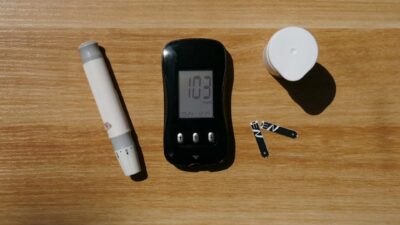
Watermelon’s high glycemic index of 72 to 80 is misleading — its 92 percent water content means the glycemic load per serving is only 4 to 8, making it one of the more diabetes-friendly fruits in reasonable portions. Stick to 1- to 2-cup servings of cubed watermelon, pair with cheese or nuts for the biggest benefit, and avoid watermelon juice or very large portions eaten alone. Watermelon delivers lycopene, vitamin C, vitamin A, and citrulline as bonuses. If you want to see your personal response, test post-meal glucose at 1 and 2 hours the first few times.