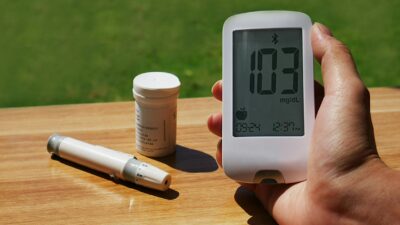
Oatmeal raises blood sugar moderately. Glycemic index ranges from 52 to 79 depending on the type — steel-cut is lowest, instant is highest. Glycemic load of a 1-cup cooked serving is 11 to 20. The beta-glucan fiber in oats actually helps slow glucose absorption and improve insulin sensitivity over time. For diabetes and prediabetes, prefer steel-cut or rolled oats, avoid flavored instant packets, keep portion to 1/2 cup dry, and top with protein, fat, and fiber (Greek yogurt, nuts, seeds, berries, cinnamon).
Oatmeal by Type — GI Comparison
| Type | GI | Carbs per 1 cup cooked (g) | Fiber (g) | GL |
|---|---|---|---|---|
| Steel-cut oats | 52–55 | 27 | 4 | 11–15 |
| Rolled (old-fashioned) oats | 55–60 | 27 | 4 | 12–16 |
| Quick-cooking oats | 65–70 | 27 | 4 | 15–19 |
| Instant oats (plain) | 74–79 | 26 | 4 | 18–21 |
| Flavored instant packet (e.g., maple brown sugar) | 75–85 | 33 | 3 | 22–30 |
| Oat bran | 50 | 25 | 6 | 12 |
| Overnight oats (refrigerated raw) | 48–55 | 27 | 4 | 11–14 |
Why Processing Level Matters
- Steel-cut oats: whole oat kernels chopped into 2 to 3 pieces; retains most structure
- Rolled oats: steamed and flattened; partial starch gelatinization
- Quick oats: rolled thinner and cut; more starch available for rapid digestion
- Instant oats: pre-cooked, dried, and rolled very thin; starches are almost fully gelatinized
- The finer the processing, the faster starches reach glucose in the bloodstream
Beta-Glucan: The Hidden Advantage
Oats are high in beta-glucan, a soluble fiber that:
- Forms a viscous gel in the gut that slows glucose absorption
- Increases meal satiety for 4 to 6 hours
- Lowers LDL cholesterol by 5 to 10 percent with regular intake
- Improves insulin sensitivity over weeks of regular consumption
- Feeds beneficial gut bacteria (prebiotic effect)
This fiber effect partially compensates for the moderate GI of oats, especially in less-processed forms.
Toppings That Lower Glucose Response
| Topping | Why It Helps | Portion |
|---|---|---|
| Greek yogurt (plain) | Protein and fat | 1/4 to 1/2 cup |
| Almonds, walnuts, pecans | Healthy fat, fiber, protein | 1 to 2 tbsp chopped |
| Chia seeds | Soluble fiber, omega-3 | 1 tbsp |
| Ground flax seed | Fiber, lignans | 1 tbsp |
| Nut butter (almond, peanut) | Fat and protein | 1 tbsp |
| Cottage cheese | High protein | 1/4 cup |
| Hemp seeds | Protein and fat | 1 tbsp |
| Berries (fresh or frozen) | Low GI, fiber, antioxidants | 1/2 cup |
| Cinnamon | Modest glucose-lowering | 1/2 tsp |
| Protein powder | Significant protein addition | 1 scoop (20 g protein) |
| Collagen powder | Protein | 1 scoop |
Toppings That Raise Glucose Response
- Brown sugar, maple syrup, honey (5 to 15 g added sugar per tablespoon)
- Flavored instant packets (8 to 12 g added sugar)
- Dried fruit (raisins, cranberries) — concentrated sugar
- Granola with added sugar (look for under 5 g added sugar per serving)
- Fruit juice or fruit syrups
- Whipped cream with added sugar
Cooking Tricks That Lower GI
- Use less water, make oatmeal thicker — slower digestion
- Add 1 teaspoon of apple cider vinegar to cooking water (minimal taste; slight GI reduction)
- Cook in milk or unsweetened plant milk instead of water (protein slows absorption)
- Cook with cinnamon mixed in
- Make overnight oats (raw oats soaked in milk/yogurt overnight) — lowest GI of all oat preparations
- Cook oats, refrigerate overnight, and reheat — small resistant-starch benefit
A Diabetes-Friendly Oatmeal Recipe
- 1/2 cup rolled oats
- 1 cup unsweetened almond milk (instead of water)
- 1/2 teaspoon cinnamon
- Dash of vanilla extract
- Cook on stovetop or microwave until desired thickness
- Top with 2 tablespoons Greek yogurt, 1 tablespoon chopped almonds, 1 tablespoon chia seeds, and 1/4 cup fresh berries
- Total: approximately 32 g carbs (net 24 g with fiber), 18 g protein, 14 g fat, 400 calories
- Estimated post-meal glucose peak: 30 to 50 mg/dL (much less than plain instant with sugar)
Portion Guidance
- 1/4 cup dry oats (1/2 cup cooked) = 13 g carbs — small portion, good for glucose-sensitive
- 1/2 cup dry oats (1 cup cooked) = 27 g carbs — standard serving
- 3/4 cup dry oats (1.5 cups cooked) = 40 g carbs — larger; pair with strong protein
- 1 cup dry oats (2 cups cooked) = 54 g carbs — often too much for glucose control
Personal Response Testing
- Use a CGM or 2-hour finger stick to see how your body responds
- Test different types (steel-cut vs rolled vs instant) on different days
- Test different toppings (plain vs with Greek yogurt vs with added sugar)
- Some people spike heavily on oats despite the moderate GI; others tolerate them remarkably well
- The time of day matters — oats eaten at breakfast may produce a different response than oats eaten as an afternoon snack
When to Skip Oatmeal
- Celiac disease: use certified gluten-free oats; cross-contamination can be an issue
- Severe post-meal hyperglycemia even with low portion + protein + fat
- Very low-carb diet plans (ketogenic) — oats do not fit
- If flavored instant is the only option available and you cannot add protein
Related Reading
See our broader diet-and-nutrition guides, high glycemic fruits, and rice glycemic index.
The Bottom Line
Oatmeal raises blood sugar moderately. Steel-cut and rolled oats (GI 52 to 60) are the best choices for diabetes and prediabetes; instant oats (GI 74 to 79) and flavored packets with added sugar are the worst. Pair with protein (Greek yogurt, nuts, seeds, protein powder), fat, and berries to flatten the glucose curve. Beta-glucan fiber in oats improves insulin sensitivity over weeks of regular consumption. Keep portion to 1/2 cup dry and avoid added sugar. Tested with thoughtful toppings, oatmeal fits comfortably into most diabetes-friendly meal plans.