Gymnema sylvestre for diabetes is one of the oldest herbal approaches to blood sugar in the world — used in Ayurveda for more than 2000 years, with the Hindi name “gurmar” literally meaning “sugar destroyer.” The active gymnemic acids physically block sweet taste receptors on the tongue (anyone can test this) and have been hypothesized to reduce glucose absorption and support beta-cell function. Modern trial evidence is limited but interesting. This guide walks through what gymnema is, the mechanism, the human evidence, dosing, side effects, and the ADA position.
What Gymnema Sylvestre Is
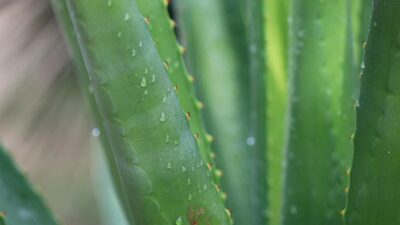
Gymnema sylvestre is a perennial woody climbing vine native to India, Sri Lanka, southern China, parts of Africa, and Australia. Botanical and traditional names:
- Botanical: Gymnema sylvestre, family Apocynaceae (formerly Asclepiadaceae)
- Hindi/Sanskrit: gurmar (“sugar destroyer”), meshashringi (“ram’s horn”)
- English common names: Australian cowplant, periploca of the woods
The leaves are the primary medicinal part. Traditional preparations included leaf powder, infusion (tea), and alcohol extract. Modern supplements typically use a standardized extract.
Active Compounds
- Gymnemic acids: a group of structurally related triterpenoid saponins (gymnemic acids I through IV are the main ones)
- Gymnemasaponins: related saponins
- Gurmarin: a peptide that also blocks sweet taste receptors
- Conduritol A: a cyclitol
- Other minor constituents: flavonoids, alkaloids, anthraquinones
Gymnemic acids and gurmarin together are responsible for the sweet-taste-blocking effect — gymnema’s most reproducible action.
Hypothesized Mechanisms
| Mechanism | Evidence level | Notes |
|---|---|---|
| Sweet taste receptor blockade | Well documented | Direct demonstration on tongue; transient (30 to 90 min) |
| Reduced intestinal glucose absorption | Animal data; limited human | Saponins may interfere with glucose transporters |
| Beta-cell regeneration / protection | Animal data; preclinical only | Rats with streptozotocin diabetes show some islet recovery |
| Stimulation of insulin release | Animal and cell culture | Not consistently demonstrated in humans |
| Increased GLP-1 release | Limited animal data | Possible incretin-related mechanism |
| Reduced sugar cravings (behavioral) | Anecdotal; small studies | Plausible via taste blockade |
Evidence Summary
| Study | Population | Dose / preparation | Duration | Finding |
|---|---|---|---|---|
| Shanmugasundaram 1990 (T1D study) | T1D Indian adults on insulin (n=27 vs controls) | 400 mg/day GS4 | 10 to 12 months | Insulin dose reduced; A1C improved; serum c-peptide rose |
| Baskaran 1990 (T2D study) | T2D Indian adults on sulfonylureas (n=22 vs controls) | 400 mg/day GS4 | 18 to 20 months | A1C and fasting glucose reduced; some weaned off sulfonylureas |
| Joffe 2001 | T2D adults (n=65) | 400 mg/day | 3 months | Modest improvement in glucose |
| Kumar 2010 (open-label) | T2D Indian adults (n=58) | 500 mg/day extract | 3 months | Modest A1C reduction |
| Li 2015 (meta-analysis) | Pooled small trials | Various | Pooled | Modest fasting glucose effect; heterogeneous |
| Modern RCTs (Western) | Limited | Various | Various | No large rigorous trials confirming earlier findings |
The Baskaran and Shanmugasundaram studies from the 1990s are the most cited and most positive — but they were open-label, controlled rather than randomized in the modern sense, and conducted in a single research group. Their results have not been replicated by large modern placebo-controlled trials. Whether this is because the early studies were artifacts, the modern populations differ, or insufficient large trials have been done is uncertain.
The Sweet Taste Demonstration
An interesting and reproducible feature of gymnema: hold the extract or chew a leaf for 30 to 60 seconds, then taste sugar — it will taste like sand or grit, with no sweetness. The effect:
- Lasts 30 to 90 minutes
- Selectively blocks sweet taste (other tastes — salty, sour, bitter, umami — are unaffected)
- May help with sugar cravings by removing the immediate reward of sweet food
- Is a well-documented pharmacological effect, not folklore
This is a behavioral tool — some clinicians suggest a brief gymnema “sip” before a dessert situation as a craving management technique. It does not provide metabolic glucose lowering by itself, but if it reduces sugar intake, it can indirectly help.
Typical Dosing in Trials
- GS4 alcohol extract: 400 mg/day in Baskaran and Shanmugasundaram studies
- Standardized extract (24 to 25 percent gymnemic acids): 200 to 400 mg, 1 to 3 times daily
- Leaf powder: 2 to 4 g/day in some traditional preparations
- Tea (infusion): 1 teaspoon dried leaf per cup, traditional Ayurvedic use
This describes trial and traditional dosing, not a recommendation. Talk to your healthcare provider before starting any supplement.
Side Effects
| Concern | Detail |
|---|---|
| Hypoglycemia | Possible with insulin or sulfonylureas — monitor |
| Allergic reaction | Rare; cross-reactivity with milkweed family possible |
| Liver enzyme elevation | Rare reports; consider periodic LFTs in chronic use |
| Transient loss of sweet taste | Expected effect on tongue; reverses |
| GI upset | Uncommon |
| Headache | Uncommon |
Drug Interactions
- Insulin: potential additive hypoglycemia — monitor glucose; dose adjustment may be needed
- Sulfonylureas (glipizide, glimepiride): additive hypoglycemia risk
- Other glucose-lowering medications: theoretically additive
- Aspirin: some reports of additive antiplatelet effect; clinical significance unclear
- Hepatically metabolized drugs: caution if liver enzymes are elevated
ADA Position
The American Diabetes Association does not recommend gymnema sylvestre for diabetes management. The ADA cites limited high-quality randomized trial evidence, predominantly older studies from a single research group, and the absence of long-term outcome data. The National Center for Complementary and Integrative Health similarly notes that evidence for gymnema in diabetes is preliminary.
Cost and Forms
- Standardized extract capsules (24 to 25 percent gymnemic acids): 10 to 25 dollars per month
- Dried leaf powder (bulk): 10 to 20 dollars for several months supply
- Gymnema tea bags: 8 to 15 dollars per box
- Liquid extracts / tinctures: 15 to 30 dollars per bottle
Look for products with clear standardization information (percent gymnemic acids) and third-party testing. Less standardized leaf powders have more variable potency.
Who Might Consider Gymnema
- Adults with type 2 diabetes interested in herbal adjuncts and willing to use a supplement with limited modern trial evidence
- People with strong sugar cravings — the sweet-taste blocking may help behaviorally
- Those familiar with Ayurvedic traditions who want a culturally relevant option in addition to standard care
Who Should Avoid or Use Caution
- Pregnant or breastfeeding women (insufficient safety data)
- Children (no safety data)
- People on insulin or sulfonylureas without close glucose monitoring
- People with liver disease
- People with milkweed-family allergies
- Anyone undergoing surgery — discontinue 2 weeks before due to glucose and bleeding considerations
Practical Tips
- Start at the lower end of the dose range (200 to 400 mg standardized extract daily)
- Take with meals to reduce GI side effects
- Monitor glucose more closely for the first 2 to 4 weeks, especially on insulin or sulfonylureas
- Recheck A1C at 3 to 6 months — if no benefit, stop
- Inform your healthcare provider and pharmacist before starting
Related Reading
See our companion guides on fenugreek for diabetes and bitter melon for diabetes, our broader resource on diabetes treatment, and our overview of diet and nutrition for diabetes.
The Bottom Line
Gymnema sylvestre is one of the most traditional herbal approaches to blood sugar — an Ayurvedic standard for over 2000 years — with a fascinating and reproducible sweet-taste-blocking effect on the tongue. Modern evidence for glucose lowering is limited, mostly small open-label trials from one research group in India suggesting A1C reductions of around 1 percent at 400 mg/day GS4 over 6 to 18 months. The American Diabetes Association does not recommend gymnema because large, rigorous, randomized placebo-controlled trials are missing. Typical extracts are 400 to 600 mg/day standardized to gymnemic acids. Side effects are usually mild but can include hypoglycemia when combined with insulin or sulfonylureas. Talk to your healthcare provider before starting any supplement, do not stop or reduce prescribed diabetes medication, and consider gymnema as a behaviorally interesting and culturally significant adjunct — not a replacement for proven therapies.