Thanksgiving combines high-carb traditional dishes, an extended grazing window, family social pressure around eating, and often alcohol — a perfect storm for glucose management challenges. The good news: with a planned approach to plate composition, pacing, beverages, and post-meal movement, people with diabetes can fully participate in the holiday without spending the next day fighting elevated glucose. This guide walks through carb counts for traditional dishes, plate strategy, beverage traps, and the surprisingly powerful post-meal walk.
Carb Counts for Traditional Thanksgiving Dishes
| Dish | Typical Serving | Carbs (g) |
|---|---|---|
| Roast turkey, white or dark | 4 oz | 0 |
| Turkey gravy | 1/4 cup | 5 to 10 |
| Mashed potatoes | 1 cup | 30 |
| Stuffing or dressing | 1 cup | 30 |
| Cranberry sauce, sweetened | 1/2 cup | 30 |
| Sweet potato casserole | 1 cup | 50 |
| Green bean casserole | 1 cup | 15 |
| Dinner roll | 1 medium | 20 |
| Roasted Brussels sprouts | 1 cup | 10 |
| Roasted carrots | 1 cup | 12 |
| Pumpkin pie | 1 slice (1/8 pie) | 45 |
| Pecan pie | 1 slice | 65 |
| Apple pie | 1 slice | 55 |
| Whipped cream | 2 tbsp | 2 |
| Vanilla ice cream | 1/2 cup | 15 |
The Plate Strategy
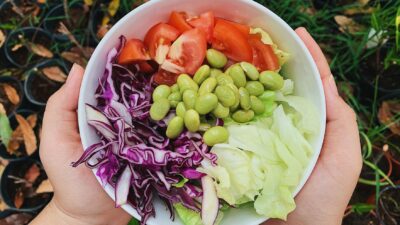
- Start with half the plate as roasted vegetables (Brussels sprouts, green beans, carrots, salad)
- Add a palm-size portion of turkey — protein, zero carbs
- Pick one starchy side, not three — typically the one you most enjoy
- Take half-cup portions of starches rather than full cups
- Skip the dinner roll if you plan to have pie
- Eat in this order: vegetables first, then protein, then starches and dessert — known to reduce post-meal peaks
Pacing the Meal
- Put the fork down between bites — slows the meal and signals satiety
- Alternate bites of vegetables, protein, and starch instead of finishing one item at a time
- Drink water throughout — fills volume between courses
- Wait 15 to 20 minutes before seconds — satiety signals catch up
- Engage in conversation — the meal lasts longer, eating slows naturally
The Beverage Trap
| Beverage | Typical Pour | Carbs (g) |
|---|---|---|
| Red wine | 5 oz | 4 |
| White wine | 5 oz | 4 |
| Sweet wine (riesling, moscato) | 5 oz | 10 to 15 |
| Beer | 12 oz | 10 to 15 |
| Hot apple cider, sweetened | 1 cup | 28 |
| Eggnog | 1 cup | 21 |
| Sparkling cider | 8 oz | 28 |
| Cocktails (margarita, daiquiri) | 6 oz | 30 to 40 |
| Regular soda | 12 oz | 39 |
| Water, sparkling water, unsweetened tea | Any | 0 |
Diabetes-Friendly Swaps
- Cauliflower mash instead of half the mashed potatoes — cuts carbs roughly in half
- Stuffing made with whole-grain bread and extra celery and onions — slows absorption
- Roast sweet potatoes plain instead of casserole — keeps the nutrients without the brown sugar and marshmallow
- Cranberry sauce with reduced sugar or fresh cranberry relish — much lower carb
- Greek yogurt instead of whipped cream on pie
- One slice of pie shared with another person — half the dose, same enjoyment
- Sparkling water with cranberry instead of soda
- Dry red wine instead of sweet white or cocktails
Pre-Meal Strategies
- Do not skip breakfast or lunch — arriving very hungry leads to overeating
- Eat a small protein-rich snack (Greek yogurt, hard-boiled egg, nuts) an hour before the meal
- Take a 20 to 30 minute walk before the meal — improves insulin sensitivity for the upcoming carbs
- Stay hydrated all day — easier to assess actual hunger
- Get a normal night’s sleep the night before — sleep loss raises post-meal glucose
The Post-Meal Walk
Research is consistent — a 15 to 30 minute walk within 30 to 60 minutes after eating reduces the post-meal glucose peak by 20 to 40 mg/dL in people with type 2 diabetes and prediabetes. The effect comes from muscle glucose uptake stimulated by walking. The walk does not have to be vigorous; an after-dinner stroll around the neighborhood works. For many families this becomes a beloved Thanksgiving tradition that doubles as one of the most diabetes-friendly practices in the meal.
Glucose Monitoring Through the Day
- Check fasting on the morning of Thanksgiving
- Test or watch CGM before sitting down to the meal
- Two-hour post-meal check is the most informative single reading
- Bedtime check — fat-heavy meals create delayed glucose rises 4 to 8 hours later
- Next-morning fasting reading tells you whether the meal cleared overnight
For Type 1 Diabetes
- Estimate carbs on the plate before eating — be generous in the count, holiday plates tend to be larger than estimated
- Pre-bolus 15 minutes before eating to align insulin onset with starches
- Consider an extended or dual-wave bolus on pumps — 60 percent now, 40 percent over the next 2 to 3 hours — for fat-heavy meals
- Watch for delayed rises 4 to 8 hours later from fat — a correction at bedtime may be needed
- Alcohol can cause delayed hypoglycemia — never go to bed with active alcohol and recent insulin without a glucose check
For Type 2 Diabetes
- Stick to standard medication timing unless directed otherwise
- Metformin can be paused if GI symptoms occur after a heavy meal — resume normally the next day
- GLP-1 medications already create satiety — leverage rather than fight it
- Sulfonylureas plus skipped meals plus alcohol equals hypoglycemia risk — keep eating times reasonably regular
Family and Social Pressure
Holiday meals often come with insistence that you “have just a little more” or “you barely ate anything.” Brief, neutral responses work better than explanations:
- “It was delicious — I’m pacing myself.”
- “I’ll come back for more in a bit.”
- “Saving room for pie.”
- “I’m full and happy — thank you.”
You do not owe a medical explanation. Most family members back off after one or two graceful declines. Bringing a diabetes-friendly dish (a roasted vegetable platter, a lower-sugar dessert) ensures there is at least one item you can fill the plate with comfortably.
Related Reading
See our broader guides on diet and nutrition and our other holiday eating guides — Halloween candy and diabetes and Christmas eating with diabetes.
The Bottom Line
Thanksgiving is fully compatible with diabetes when approached with a plan. The plate strategy — vegetables and protein first, one starch at a time, sensible portions — combined with a post-meal walk handles most of the glucose challenge. Carbs add up fast across traditional sides; pumpkin pie alone is around 45 g, and a full plate of stuffing, potatoes, sweet potato casserole, and a roll easily exceeds 100 g before dessert. Beverages slip past carb attention and can add 30 to 60 g across the day. Type 1 diabetes benefits from extended boluses for the fat-heavy meal; type 2 benefits most from portion control and walking. The holiday is participatory, not restrictive — most people with diabetes can have everything they love, just in measured amounts.