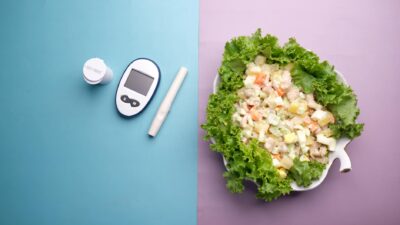
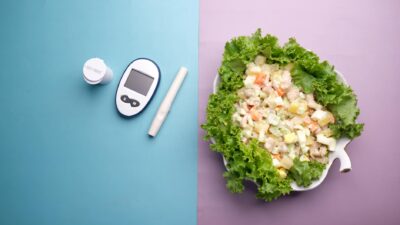
Yes, cantaloupe can be good for people with diabetes when eaten in measured portions and paired thoughtfully. One cup of cubed cantaloupe has about 13 grams of carbohydrate, delivers vitamin C, vitamin A, and potassium, and sits at a low glycemic load despite a moderate glycemic index. The practical question is portion size and what you eat it with.
Cantaloupe Nutrition Basics
| Nutrient (per 1 cup cubed, ~160 g) | Amount |
|---|---|
| Calories | 54 |
| Total carbohydrate | 13 g |
| Fiber | 1.4 g |
| Total sugars | 12 g (naturally occurring) |
| Protein | 1.3 g |
| Fat | 0.3 g |
| Vitamin C | ~70% DV |
| Vitamin A | ~100% DV |
| Potassium | ~12% DV |
Values are approximate and from USDA FoodData Central.
Glycemic Index vs. Glycemic Load
Glycemic index (GI) ranks how quickly a fixed 50-gram dose of pure carbohydrate from a food raises blood sugar. Glycemic load (GL) factors in how many carbs you actually eat in a typical serving. Cantaloupe has a GI of about 65 (moderate), but because a 1-cup serving contains only 13 grams of carbs, its GL is roughly 4, which is low. Foods with a GL under 10 per serving tend to have modest real-world impact on blood sugar.
Health Upsides Beyond the Sugar
- Hydration: Cantaloupe is about 90 percent water, useful in hot weather and for older adults who often under-drink.
- Vitamin C: Supports immune function and skin health.
- Beta-carotene: Converts to vitamin A, important for eye and immune health (and especially relevant if you are worried about diabetes eye complications).
- Potassium: Supports blood pressure regulation.
- Low in calories: 54 calories per cup helps with weight management.
Smart Serving Sizes
A practical starting portion is 1 cup cubed, which delivers 13 grams of carbs. If that fits your meal plan, enjoy it; if you want dessert-sized portions, consider pairing and timing adjustments.
- Snack portion: 1 cup cubed (~13 g carbs) + 1/2 cup cottage cheese or 3/4 cup Greek yogurt.
- Breakfast add-on: 3/4 cup cubed (~10 g carbs) alongside eggs and a slice of whole-grain toast.
- Salad: 1/2 cup cubed tossed with arugula, feta, walnuts, and a drizzle of olive oil.
Pairings That Reduce the Spike
Pairing fruit with protein, fat, or fiber slows gastric emptying and softens the glucose curve. Options include:
- Plain Greek yogurt (adds 15-18 g protein).
- Cottage cheese (adds 14 g protein per 1/2 cup).
- Nut butter drizzle or chopped walnuts.
- Prosciutto or thinly sliced turkey for a savory app.
- A sprinkle of chia seeds for fiber and omega-3s.
When Cantaloupe May Be Less Ideal
Consider smaller portions or a different fruit if:
- You are eating cantaloupe alone on an empty stomach and tend to spike.
- You choose large restaurant portions (bowls of melon often contain 2-3 cups).
- You have gestational diabetes and your morning insulin resistance makes even moderate fruit push glucose over target.
- You are on a very low-carb plan prescribed by your doctor.
Cantaloupe vs. Other Fruits
| Fruit | Serving | Carbs (g) | GL (approx.) |
|---|---|---|---|
| Cantaloupe | 1 cup cubed | 13 | 4 |
| Watermelon | 1 cup cubed | 11 | 4 |
| Honeydew | 1 cup cubed | 16 | 6 |
| Strawberries | 1 cup sliced | 12 | 3 |
| Blueberries | 1 cup | 21 | 8 |
| Banana (medium) | 1 | 27 | 11 |
| Mango (1 cup) | 1 cup sliced | 28 | 13 |
Check Your Own Response
Individual blood sugar responses vary widely. Two people can eat the same cup of cantaloupe and see different readings 1 and 2 hours later. Use a fingerstick or CGM to test your own response: check pre-meal, then 1 hour after, then 2 hours. If the 2-hour number returns to within 30 to 40 mg/dL of baseline, the portion is probably working for you. For background on post-meal targets, see our A1C levels guide.
Storage and Food Safety
Cantaloupe rind can harbor bacteria like Listeria and Salmonella. Wash the whole melon under running water and scrub with a produce brush before slicing. Refrigerate cut cantaloupe within 2 hours, use within 3 to 4 days, and avoid cut melon left at room temperature, especially for immunocompromised people, pregnant women, and older adults.
According to the American Diabetes Association, fresh whole fruits are generally a better choice than canned fruits in heavy syrup or juices, which lack fiber and concentrate sugars.
Recipe Ideas
- Cantaloupe-cottage cheese bowl: 1 cup cubed cantaloupe + 1/2 cup cottage cheese + 1 tbsp sliced almonds + cinnamon.
- Savory melon salad: 1/2 cup cubed cantaloupe + arugula + thinly sliced prosciutto + feta + lemon-olive oil dressing.
- Cantaloupe mint skewers: alternate cantaloupe cubes with mozzarella balls and mint leaves; drizzle balsamic glaze lightly.
- Smoothie: 3/4 cup cantaloupe + 1/2 cup unsweetened Greek yogurt + 1 tbsp chia seeds + ice.
Fruit in the Bigger Picture
The real question is not whether a specific fruit is “allowed” but how fruit fits into your total day of carbs. Most people with diabetes can have two to three servings of whole fruit daily. Fit cantaloupe in alongside other colorful choices and within your meal’s overall carb target. Our diet and nutrition hub has more on balancing carbs across the day.
The Bottom Line
Cantaloupe can be a refreshing, nutrient-rich part of a diabetes meal plan. Keep servings around 1 cup cubed, pair with protein or fat, and use your own glucose readings to calibrate the right portion for your body. If you have gestational diabetes or follow a very low-carb plan, ask your dietitian how fruit fits in. For most people, cantaloupe is a yes, just measured.