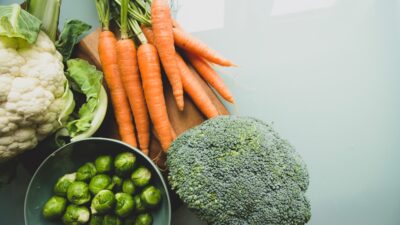
V8 juice is a nuanced choice for people with diabetes — it depends entirely on which V8 product you choose. V8 Original 100% Vegetable Juice is relatively low in sugar with only 6 grams per 8-ounce serving, but it contains a significant 640 mg of sodium. On the other hand, V8 Splash and V8 Fusion are loaded with added sugar and should generally be avoided.
V8 Products: Not All Created Equal
The V8 brand makes many different products, and they vary dramatically in their nutritional profiles. What works for blood sugar management in one V8 product could be completely wrong in another. Let’s break down the major V8 product lines.
V8 Product Comparison Table
Here is a detailed nutrition comparison of the most common V8 products per 8 oz (240 ml) serving.
| V8 Product | Calories | Total Sugar | Added Sugar | Sodium | Fiber | Diabetic-Friendly? |
|---|---|---|---|---|---|---|
| V8 Original 100% Vegetable Juice | 45 | 6 g | 0 g | 640 mg | 2 g | Moderate (high sodium) |
| V8 Low Sodium | 45 | 6 g | 0 g | 140 mg | 2 g | Best V8 option |
| V8 Spicy Hot | 50 | 7 g | 0 g | 680 mg | 2 g | Moderate (high sodium) |
| V8 +Energy (various flavors) | 50 | 10 g | 0 g | 70 mg | 0 g | Use caution (caffeine) |
| V8 Splash (Tropical Blend) | 70 | 16 g | 15 g | 50 mg | 0 g | Avoid |
| V8 V-Fusion (Pomegranate Blueberry) | 110 | 24 g | 0 g | 70 mg | 0 g | Avoid |
| V8 V-Fusion Light | 50 | 10 g | 0 g | 70 mg | 0 g | Use caution |
V8 Original 100% Vegetable Juice
V8 Original is made from a blend of eight vegetables: tomatoes (the primary ingredient), carrots, celery, beets, parsley, lettuce, watercress, and spinach. With only 6 grams of naturally occurring sugar and 45 calories per serving, it has a minimal impact on blood sugar.
The sugar in V8 Original comes from the vegetables themselves — no sugar is added. An 8-ounce glass also provides 2 grams of fiber, 2 grams of protein, and a good dose of vitamins A and C, plus potassium.
The primary drawback is sodium. At 640 mg per 8-ounce serving, V8 Original accounts for about 28 percent of the daily recommended sodium limit of 2,300 mg. For people with diabetes who are also managing blood pressure — and many are — this is a significant amount from a single beverage.
V8 Low Sodium: The Best V8 Option
V8 Low Sodium has the same vegetable blend and nutritional profile as the Original but with only 140 mg of sodium per serving — a 78 percent reduction. This makes it the clear winner for people with diabetes, especially those also watching blood pressure.
The taste is slightly less salty, but most people adjust to it quickly. Some find that adding a squeeze of lemon or a dash of hot sauce compensates for the reduced salt while keeping sodium intake in check.
V8 Splash: High Sugar — Avoid
V8 Splash is a fruit-flavored drink that contains only 5 percent juice. The remaining 95 percent is water, high fructose corn syrup (or sucralose in diet versions), and flavorings. A single 8-ounce serving of V8 Splash Tropical Blend has 16 grams of sugar, with 15 grams of that being added sugar.
This product is essentially a sugary drink with a health-sounding name. The American Diabetes Association recommends limiting juice intake in general and avoiding sugar-sweetened beverages entirely. V8 Splash falls into the “avoid” category for blood sugar management.
V8 Fusion: Misleading Health Claims
V8 V-Fusion blends fruit and vegetable juices, marketed as a way to get servings of both. While it technically contains 100 percent juice with no added sugar, the fruit juice component pushes the sugar content to 24 grams per 8-ounce serving. That is comparable to a glass of soda.
The sugar in fruit juice — even without added sweeteners — causes rapid blood sugar spikes because the fiber from whole fruit has been removed. V8 V-Fusion Light reduces the sugar to about 10 grams per serving through added sweeteners, but it still provides no fiber and limited nutritional advantage over eating actual vegetables.
V8 +Energy: Caffeine Concerns
V8 +Energy combines fruit and vegetable juices with natural caffeine from tea (about 80 mg per 8-ounce can — roughly the same as a cup of coffee). It has about 10 grams of sugar per serving.
The main concern is caffeine’s potential effect on blood sugar. Some research suggests that caffeine may temporarily impair insulin sensitivity in some people with type 2 diabetes, though effects vary. If you are caffeine-sensitive or your doctor has advised limiting caffeine, this product may not be the best choice.
Why Whole Vegetables Are Better
While V8 Original and V8 Low Sodium are acceptable options, whole vegetables are always the superior choice for blood sugar management. The reason is fiber.
When vegetables are juiced, most of the insoluble fiber is removed. Fiber is critical for slowing glucose absorption, promoting satiety, and supporting gut health. An 8-ounce glass of V8 has 2 grams of fiber, but eating the equivalent vegetables whole would provide considerably more.
For example, a cup of chopped raw tomatoes has about 2.2 grams of fiber on its own, plus a cup of raw carrots adds another 3.6 grams. You also get more chewing time, which supports better appetite regulation.
For ideas on incorporating more whole vegetables into your diet, check out our best foods for prediabetes guide and our prediabetes-friendly recipes.
Better Beverage Alternatives
If you enjoy V8 for the vegetable flavor but want healthier options, consider:
- Homemade vegetable juice: Use a blender (not a juicer) to retain fiber. Blend tomatoes, spinach, celery, and a squeeze of lemon for a whole-food V8 alternative.
- Water with cucumber and lemon: Zero calories, zero sugar, and refreshing.
- Unsweetened green tea: Provides antioxidants and may support insulin sensitivity.
- Sparkling water with a splash of V8: Mix 2 ounces of V8 Low Sodium into sparkling water for a low-sodium, low-sugar flavored drink.
The Bottom Line
V8 juice can fit into a diabetes diet, but only if you choose the right product. V8 Low Sodium is the best option — low in sugar, low in sodium, and made from real vegetables. V8 Original is acceptable but carries a heavy sodium load. V8 Splash and V8 Fusion should be avoided due to high sugar content that can spike blood sugar. No matter which beverage you choose, whole vegetables will always provide better blood sugar management thanks to their fiber content. Keep V8 to one serving per day at most, and discuss your overall diet and nutrition plan with your healthcare provider.