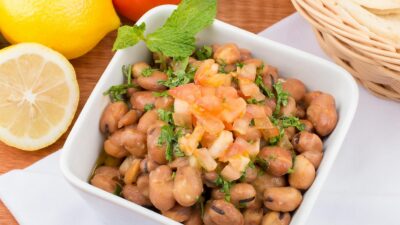
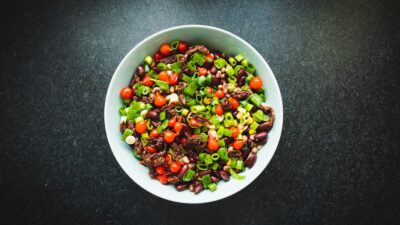
Navy Beans and Diabetes: A Diabetes-Friendly Guide
By Web Admin
Medical Disclaimer
This article is for informational purposes only and does not constitute medical advice. Always consult your physician or a qualified healthcare provider regarding any medical condition or treatment.
Key Takeaways
A half-cup serving of cooked navy beans contains about 24 grams of carbohydrate, 9 grams of fiber, and 7.5 grams of plant protein.
Navy beans have the highest fiber content of common beans — useful for adults seeking maximum gut-health benefit.
The glycemic index is approximately 31, in the low-GI range like other beans.
Traditional baked beans (Boston-style) contain 12-25 grams of added sugar per half-cup serving from molasses and brown sugar.
Sugar-free baked beans and homemade versions provide the navy bean benefits without the sugar load.
Navy beans are one of the most diabetes-friendly carbohydrate foods available, with the highest fiber content among common beans — 9 grams per half-cup cooked serving. The macronutrient profile is excellent: 24 grams of carbohydrate, 7.5 grams of plant protein, and a glycemic index of approximately 31 (low-GI range). The Jenkins legume substitution trial showed 0.5 percentage point A1C improvements over 3 months with regular legume consumption. The main complication for adults with diabetes is the baked bean problem — traditional Boston-style baked beans add 12-25 grams of sugar per serving from molasses and brown sugar. Plain navy beans, sugar-free baked beans, or homemade versions with sugar substitutes deliver the bean benefits without the sugar load.
Nutrition Profile
Navy beans form (½ cup cooked)
Calories
Carbs (g)
Fiber (g)
Protein (g)
Glycemic Index
Cooked from dry
127
24
9
7.5
~31
Canned, drained
120
23
7
7
~31
Baked beans (Boston-style)
190
36
5
7
~48
Baked beans (vegetarian)
165
32
6
6
~45
Sugar-free baked beans
110
22
7
7
~31
Senate bean soup (typical)
180
30
9
12
~32
White bean dip (2 Tbsp)
50
7
2
2
~30
The Fiber Advantage
Navy beans have 9 grams of fiber per half-cup — the highest of common beans.
The fiber is split between soluble (4 g) and insoluble (5 g) types.
Soluble fiber slows glucose absorption and modestly reduces LDL cholesterol.
Insoluble fiber supports regularity and gut health.
The combination produces particularly favorable second-meal effects.
Adults targeting 25-38 g daily fiber benefit substantially from navy beans.
The Baked Bean Problem
Traditional Boston-style baked beans: navy beans + molasses + brown sugar + bacon + ketchup.
Sugar content: 12-25 g added sugar per half-cup serving (varies by brand).
Combined with bean carbohydrate: 36-49 g total carb per half cup.
Bush’s Original baked beans: 19 g sugar, 36 g carb per half cup.
Heinz baked beans (UK style): less sugar, more tomato — 14 g sugar, 32 g carb.
Sugar-free baked beans (Walden Farms, etc.): under 5 g carb per half cup.
Homemade with sugar substitutes: full control over ingredients.
Navy Beans vs Other White Beans
White bean (½ cup cooked)
Carbs (g)
Fiber (g)
Protein (g)
Notes
Navy beans
24
9
7.5
Highest fiber; smallest
White kidney (cannellini)
20
6
8
Italian; creamy
Great northern beans
19
6
7.5
Medium; French cassoulet
Lima beans (butter beans)
20
4.5
6
Larger; starchier
Cannellini canned
20
6
8
Italian style
Cultural Uses
American: Boston baked beans, US Senate bean soup, navy bean chili.
British: baked beans on toast (UK style — tomato-based, less sweet than US).
French: cassoulet (with great northern or white kidney variants).
Italian: pasta e fagioli, minestrone, white bean salad.
Tuscan: white bean and tuna salad with olive oil.
Mediterranean: hummus-style white bean dip with garlic and olive oil.
Cooking Methods
From dried: soak overnight, drain, simmer 60-90 min.
Pressure cooker: no soak; 20-25 min high pressure.
Canned: rinse and use; convenient.
Slow cooker: navy beans don’t require pre-boiling like kidney beans; 6-8 hr on low.
Baked beans (diabetes-friendly version): navy beans + tomato sauce + onion + spices + sugar substitute + apple cider vinegar.
Cooled and reheated develops resistant starch.
Pairing Strategies
Navy bean soup with vegetables and ham (Senate-style) — protein-rich winter meal.
White bean and kale soup with garlic and olive oil.
Navy beans + roasted root vegetables + Mediterranean herbs.
Tuscan white bean salad with olive oil, lemon, parsley, capers.
White bean dip with raw vegetable dippers.
Sugar-free baked beans alongside grilled chicken or fish.
Pasta e fagioli with whole-wheat pasta and white beans.
Vitamin and Mineral Profile
Nutrient (½ cup cooked)
Amount
% Daily Value
Folate
127 mcg
32%
Manganese
0.5 mg
22%
Magnesium
48 mg
11%
Iron
2.2 mg
12%
Phosphorus
131 mg
13%
Potassium
354 mg
8%
Copper
0.2 mg
22%
Thiamine
0.2 mg
17%
Who Should Be Careful
People with IBS — gradual introduction; navy beans have high GOS fermentation potential.
People consuming traditional baked beans regularly — switch to sugar-free versions.
People with chronic kidney disease — moderate potassium and phosphorus.
People on warfarin — modest vitamin K content; consistent intake.
People watching sodium — choose low-sodium canned or rinse thoroughly.
Practical Daily Strategies
Use navy beans in soups, chilis, salads, and dips.
Choose sugar-free or homemade baked beans for the comfort-food version.
Pair with brown rice for complete protein.
Make Tuscan white bean salad as a make-ahead lunch.
Use navy bean dip instead of sour cream-based dips.
Rinse canned beans to reduce sodium.
The Bottom Line
Navy beans are one of the most diabetes-friendly carbohydrate foods, with the highest fiber content (9 g per half cup) among common beans. The 24 g carbohydrate, 7.5 g plant protein, and glycemic index of approximately 31 fit comfortably into diabetes meal planning. The Jenkins legume trial showed 0.5 percentage point A1C improvements over 3 months. Navy beans anchor Boston-style baked beans, US Senate bean soup, French cassoulet, Italian pasta e fagioli, and Tuscan white bean salads. The main consideration is the baked bean sugar problem — traditional Boston-style baked beans add 12-25 g of sugar per half-cup serving. Sugar-free baked beans, reduced-sugar varieties, or homemade versions with sugar substitutes preserve the bean benefits. Plain navy beans in soup, dips, or salads are excellent diabetes-friendly choices. Pairing with brown rice produces complete plant protein. For adults with type 2 diabetes who tolerate beans, navy beans 1-2 times per week provide exceptional fiber and modest A1C benefits. See our broader diabetes diet guide for context.
Frequently Asked Questions
Are navy beans good for diabetes?
Navy beans are one of the most diabetes-friendly carbohydrate foods, with the highest fiber content of common beans. A half-cup cooked serving contains 24 g carbohydrate with 9 g fiber (net 15 g) and 7.5 g plant protein. The glycemic index of approximately 31 is in the low-GI range. The Jenkins legume substitution trial showed 0.5 percentage point A1C improvements over 3 months. The exceptional fiber content supports gut health, second-meal effects, and modest LDL cholesterol reduction.
Are baked beans okay for diabetes?
Traditional Boston-style baked beans add substantial sugar through molasses and brown sugar — typically 12-25 grams of added sugar per half-cup serving. Combined with the 24 g carbohydrate from the beans themselves, a half-cup of baked beans can deliver 36-49 g total carb. For diabetes, this is substantial. Better options: sugar-free baked beans (sweetened with stevia or monk fruit), reduced-sugar varieties, or homemade baked beans with sugar substitutes. Plain navy beans without the sweet sauce are diabetes-friendly.
How do navy beans compare to other white beans?
Navy beans, white kidney beans (cannellini), great northern beans, and lima beans are all white beans with similar nutrition profiles. Navy beans are the smallest and highest-fiber. Cannellini beans are larger and creamier (popular in Italian cuisine). Great northern beans are medium-sized and tender (popular in French cassoulet). Lima beans (butter beans) are larger and starchier. For diabetes purposes, all are similar — choose by culinary preference. Navy beans win on fiber per serving.
What are navy beans used for besides baked beans?
Navy beans work in any white-bean recipe. Common uses: navy bean soup (US Senate bean soup is the classic), white bean chili, French-style cassoulet, Italian pasta e fagioli (variations use white beans), Greek gigantes plaki (with tomato sauce), Tuscan white bean salad with olive oil and herbs, white bean dip (similar to hummus). They are versatile and absorb flavors well.
Sources
American Diabetes Association. Nutrition Therapy for Adults With Diabetes or Prediabetes — A Consensus Report. Diabetes Care 2019.
Jenkins DJA, et al. Effect of legumes as part of a low glycemic index diet on glycemic control and cardiovascular risk factors in type 2 diabetes. Archives of Internal Medicine.
U.S. Department of Agriculture, FoodData Central. Beans, navy, mature seeds, cooked.
Fava beans and diabetes can mix well: a half cup has 17 g carb, 5 g fiber, and protein at a low-moderate GI near 40, but favism warns G6PD-deficient eaters.