Tofu has moved from health-food-store curiosity to mainstream US grocery aisle staple over the past decade, and that matters for diabetes meal planning. Tofu provides concentrated plant protein with very little carbohydrate, no saturated fat to speak of, and the side benefits of soy isoflavones — compounds with modest documented effects on lipids, blood pressure, and post-menopausal symptoms. Used skillfully, tofu replaces meat in many diabetes-friendly meals and adds a useful protein lever to vegetarian and Mediterranean-style eating patterns. The complications are mostly preparation and processing — pre-fried, deli-style, and heavily seasoned tofu products can carry sodium and carbohydrate the plain block does not.
Nutrition Profile by Type
| Type (3 oz) | Calories | Protein (g) | Carbs (g) | Sat Fat (g) | Calcium (mg) |
|---|---|---|---|---|---|
| Silken tofu | 50 | 5 | 2 | 0.2 | 30 |
| Soft tofu | 65 | 7 | 2 | 0.3 | 110 |
| Firm tofu | 105 | 15 | 3 | 0.7 | 290 |
| Extra-firm tofu | 115 | 17 | 3 | 0.8 | 310 |
| Super-firm (high-protein) | 130 | 20 | 2 | 0.9 | 320 |
| Smoked tofu | 120 | 14 | 3 | 0.6 | 250 |
| Tofu hot dog | 85 | 9 | 5 | 0.3 | 40 |
Glycemic Impact
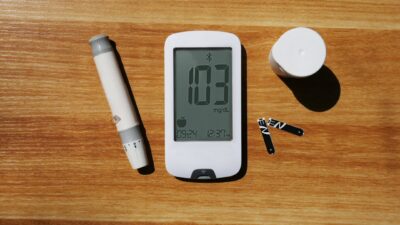
Tofu is among the lowest-impact protein foods for blood glucose. The carbohydrate content is small and largely bound to fiber and protein structure. In CGM studies of mixed meals, tofu-based dishes consistently produce flat or minimal glucose curves — particularly when paired with non-starchy vegetables rather than rice or noodles. People who substitute tofu for chicken in stir-fries usually see post-meal glucose peaks that are similar to or slightly lower than the chicken version, depending on the sauce.
Soy Isoflavones
- Isoflavones — genistein, daidzein, and glycitein — are plant compounds with weak estrogen-like activity.
- Studied for modest LDL cholesterol reductions, small blood pressure benefits, and reduced post-menopausal hot flashes.
- The American Heart Association has endorsed soy as part of a heart-healthy pattern.
- Concerns about thyroid function are most relevant for people with iodine deficiency, uncommon in the US food supply.
- People with estrogen-sensitive cancers should discuss intake with their oncology team, though most current evidence supports moderate intake as safe.
Preparation Methods That Work
- Press and pat dry first — removing water gives a denser texture that browns and absorbs flavor.
- Marinate — tofu is bland on its own; soy sauce, ginger, garlic, lime, and rice vinegar build flavor.
- Cube and stir-fry with non-starchy vegetables — classic diabetes-friendly bowl meal.
- Crumble and scramble with turmeric and onion as a savory breakfast.
- Slice and air-fry or bake for a crisp exterior without deep-frying oil.
- Blend silken tofu into smoothies, dressings, or sauces for a creamy texture without dairy.
- Grill firm or extra-firm tofu on skewers as a kebab alternative.
Pitfalls to Watch
- Pre-fried or deep-fried tofu cubes absorb significant oil — calories add up.
- Tofu hot dogs, deli slices, and burgers can carry 400 to 700 milligrams of sodium and sometimes added sugars.
- Sweet teriyaki and orange sauces can dump 20 to 40 grams of carbohydrate onto an otherwise low-carb dish.
- Coatings of cornstarch or panko crumbs add 10 to 20 grams of carbohydrate per serving.
- Flavored marinades sold separately often have added sugar — check the label.
Tofu vs Other Proteins
| Protein (3 oz cooked or as-is) | Protein (g) | Carbs (g) | Saturated Fat (g) |
|---|---|---|---|
| Firm tofu | 15 | 3 | 0.7 |
| Skinless chicken breast | 26 | 0 | 0.9 |
| Salmon (wild) | 22 | 0 | 1.0 |
| Lean beef (sirloin) | 26 | 0 | 3.0 |
| Tempeh | 18 | 8 | 0.5 |
| Cooked black beans | 7 | 20 | 0.1 |
Who Should Be Careful
- People with soy allergy — switch to tempeh from a different legume, hempfu, or seitan if gluten is tolerated.
- People with chronic kidney disease should follow individualized protein limits.
- Those on levothyroxine — take the medication 4 hours before soy intake to avoid absorption interference.
- People with estrogen-sensitive cancers should discuss with their oncology team.
- People with hypothyroidism and iodine deficiency may want to limit isoflavone load — uncommon in the US.
Practical Patterns That Work
- Sub tofu for chicken in one or two stir-fries per week.
- Use silken tofu in smoothies for a protein boost without dairy.
- Make a savory tofu scramble for breakfast instead of eggs.
- Build a tofu-and-vegetable bowl with a small portion of brown rice or quinoa.
- Pair tofu with a sugar-free Asian-style dressing rather than sweet teriyaki.
- Choose super-firm tofu when protein density matters most.
The Bottom Line
Tofu is a quietly excellent option for diabetes meal planning. A 3-ounce serving of firm tofu delivers 15 grams of plant protein, only 3 grams of carbohydrate, and a minimal saturated-fat load. The glycemic impact is small, soy isoflavones contribute modest heart-health benefits, and tofu substitutes well for meat across stir-fries, curries, scrambles, and grilled dishes. The pitfalls — pre-fried products, sweet sauces, breading, and processed tofu hot dogs — are easy to spot once you know to read for them. For most adults with type 2 diabetes, working a few tofu meals into a weekly rotation is a useful way to lower saturated fat without losing protein density. Used skillfully, tofu becomes a flexible cornerstone of plant-forward eating — and fits comfortably into the Mediterranean and vegetarian patterns the American Diabetes Association recognizes as evidence-supported. See our diabetes diet guide for broader context on building meals around lean proteins like this one.