Turkey is sometimes treated as a once-a-year Thanksgiving food in the US, but for diabetes meal planning it deserves a year-round spot. Skinless turkey breast is among the leanest mainstream proteins available, carbohydrate-free, affordable in roast form, and versatile across cuisines. The complications come from how turkey arrives — pre-sliced and deeply salted in deli cases, ground in mixed fat percentages, or buried under stuffing and gravy at holiday tables. Understanding the differences between cuts and preparations makes turkey a quietly reliable cornerstone of a diabetes-friendly diet.
Nutrition Profile by Cut
| Preparation (3 oz cooked) | Calories | Protein (g) | Carbs (g) | Saturated Fat (g) | Sodium (mg) |
|---|---|---|---|---|---|
| Skinless breast, roasted | 125 | 26 | 0 | 0.6 | 55 |
| Skin-on breast, roasted | 165 | 24 | 0 | 2.0 | 54 |
| Skinless thigh, roasted | 160 | 24 | 0 | 2.0 | 65 |
| Skin-on thigh, roasted | 207 | 23 | 0 | 3.6 | 72 |
| Ground turkey, 99% lean | 120 | 26 | 0 | 0.3 | 60 |
| Ground turkey, 85% lean | 200 | 22 | 0 | 3.5 | 75 |
| Deli turkey breast | 75 | 13 | 1 | 0.3 | 650 |
| Turkey bacon | 110 | 9 | 1 | 2.5 | 360 |
Glycemic Impact
Plain turkey produces a negligible glucose response. Like other lean proteins it slows gastric emptying and modestly stimulates insulin secretion, which means a turkey portion alongside carbohydrate generally produces a lower glucose peak than the same carbohydrate eaten alone. Where turkey contributes to glucose problems is through accompaniments — gravy thickened with flour, cranberry sauce sweetened with sugar, breaded turkey cutlets, or honey-glazed deli rolls. Reading the dish, not just the meat, is the key habit.
Ground Turkey Fat Ranges
- 99% lean (breast only): extremely lean, dries out easily, ideal for diabetes when paired with olive oil, broth, or grated vegetables for moisture.
- 93% lean: white and dark mix with limited skin; everyday workhorse with reasonable flavor.
- 85% lean: heavier dark meat and some skin; closer to ground beef in fat content; treat occasionally rather than daily.
- Pre-seasoned ground turkey often contains added sugars and elevated sodium — check the ingredient list.
Deli Turkey and Sodium
- A typical 2-ounce serving delivers 450 to 900 milligrams of sodium — close to a third of the AHA’s 1,500-milligram heart-healthy daily limit.
- Many brands include dextrose, sugar, or maltodextrin for flavor and browning.
- Lower-sodium options exist (200 to 350 mg per serving) but still rank above fresh-roasted turkey.
- Home-roasting a turkey breast on Sunday and slicing across the week is the lowest-sodium option for sandwich and lunch use.
Holiday and Festive Plates
The Thanksgiving plate is a useful case study for diabetes meal planning. The turkey itself contributes negligible carbohydrate. The glucose load comes from stuffing (often 25 to 40 grams of carbohydrate per cup), mashed potatoes (30 grams per cup), sweetened cranberry sauce (45 grams per quarter cup), dinner rolls (25 to 35 grams each), and pie (40 to 60 grams per slice). A reasonable strategy is to take a normal portion of turkey, fill half the plate with non-starchy vegetables like roasted Brussels sprouts or green beans, and treat the starches as deliberate single servings rather than refills. People on insulin or sulfonylureas should plan medication adjustments in advance — not improvise at the table.
Turkey vs Other Proteins
| Protein (3 oz cooked) | Protein (g) | Saturated Fat (g) | Notes |
|---|---|---|---|
| Skinless turkey breast | 26 | 0.6 | Leanest mainstream protein |
| Skinless chicken breast | 26 | 0.9 | Comparable; slightly more saturated fat |
| Salmon (wild) | 22 | 1.0 | Omega-3 benefit; higher cost |
| Lean beef (sirloin) | 26 | 3.0 | Higher saturated fat; rich in iron |
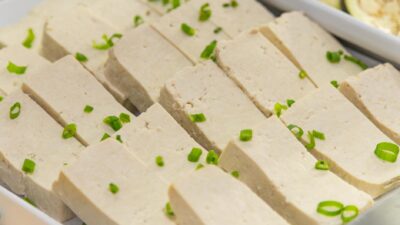
| Tofu (firm) | 15 | 0.6 | Plant protein; lower per-ounce |
Who Should Be Careful
- People with chronic kidney disease should follow individualized protein limits, regardless of source.
- People watching sodium should favor home-roasted turkey over deli slices and avoid pre-seasoned ground turkey.
- Those with gout — poultry is moderate-purine; rotate with other protein sources.
- Anyone on warfarin needs to watch turkey gravy and stuffing for cumulative sodium load rather than the turkey itself.
Practical Patterns That Work
- Roast a single turkey breast on Sunday — slice for sandwiches, salads, and wraps through Wednesday.
- Use 93% or 99% lean ground turkey in chili, meatballs, and stuffed peppers.
- Replace deli ham or salami with home-sliced turkey for lower sodium across a week.
- Pair turkey with non-starchy vegetables and a modest carbohydrate portion, mirroring the framework described in our diabetes and protein guide.
- Skip pre-seasoned packages; season at home with olive oil, herbs, and citrus.
The Bottom Line
Turkey deserves a year-round place in a diabetes meal plan, not just a Thanksgiving slot. Skinless breast is the leanest mainstream protein in US grocery stores, with about 25 grams of protein and 0.6 grams of saturated fat per 3-ounce serving. Ground turkey is useful as long as the lean percentage is checked — 93% or 99% lean is a good everyday choice. Deli turkey is convenient but delivers substantial sodium and sometimes added sugars; home-roasted turkey breast sliced across the week is a lower-sodium alternative. Holiday plates rarely produce glucose problems from the turkey itself — the carbohydrate load comes from the accompaniments, which means portion control on stuffing, potatoes, and pie matters far more than the meat. For day-to-day use, turkey functions as a quietly reliable cornerstone of a diabetes-friendly diet.