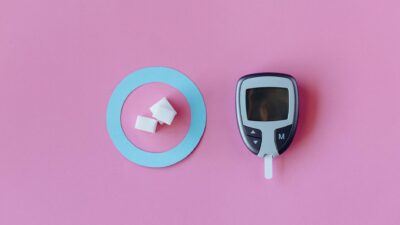
A type 1 diabetes diet is less about restriction and more about precision: counting carbohydrates, matching insulin doses, and combining macronutrients to smooth out blood sugar swings. Unlike type 2, carbs aren’t the enemy in T1D — mismatched insulin is.
How Type 1 Differs From Type 2 at the Table
Type 1 diabetes is an autoimmune condition where the pancreas makes little or no insulin, so every gram of carbohydrate must be covered by injected or pumped insulin. Type 2 diabetes and prediabetes involve insulin resistance, where the body still makes insulin but doesn’t use it well. The nutrition strategies look similar on the plate, but the daily math is different.
Carb Counting: The Foundation
Carbohydrate counting means tallying grams of carbs per meal or snack and dosing insulin accordingly. Most adults aim for 45-60 grams per meal and 15-20 grams per snack, adjusted to appetite, activity, and insulin regimen.
- Read nutrition labels: total carbohydrates matter most; subtract half of the fiber for net carbs when fiber exceeds 5 g.
- Weigh foods at first — eyeball estimates drift high over time.
- Log meals and glucose patterns for 2 weeks to refine your ratios.
Insulin-to-Carb Ratios
An insulin-to-carb ratio (I:C) tells you how many grams of carbohydrate one unit of rapid-acting insulin covers. Typical adult starting points range from 1:8 to 1:15. The 500 rule (500 divided by total daily insulin) is a common starting estimate, refined with CGM data and your care team.
| Total Daily Insulin | Estimated I:C Ratio |
|---|---|
| 30 units | ~1:17 |
| 40 units | ~1:12 |
| 50 units | ~1:10 |
| 60 units | ~1:8 |
The Glycemic Index and Food Combining
Not all carbs absorb at the same speed. A slice of white bread spikes glucose faster than a cup of lentils, even if both contain 30 g of carbs. Low-glycemic foods (GI under 55) give insulin time to work.
- Low GI: Steel-cut oats, barley, most beans, berries, non-starchy vegetables, Greek yogurt.
- Medium GI: Whole wheat bread, brown rice, sweet potato, banana.
- High GI: White rice, white bread, sugary drinks, instant oats, potato.
Combining carbs with protein and fat slows absorption. A cookie on its own spikes glucose; a cookie after a protein-rich meal barely moves it.
Fat and Protein Adjustments
Research by Bell and colleagues (Diabetes Care, 2015) showed that high-fat, high-protein meals require 30-40% more insulin delivered over 2-3 hours. Pump users often use a “dual-wave” or “extended” bolus for pizza, creamy pasta, or cheeseburgers. Multiple daily injection users may split the dose — half with the meal, half an hour later — under clinician guidance.
Sample Day for an Adult With Type 1 Diabetes
| Meal | Example | Carbs | Notes |
|---|---|---|---|
| Breakfast | Eggs, whole-grain toast, avocado, berries | 30 g | Higher I:C ratio needed for morning |
| Lunch | Chicken, quinoa, roasted vegetables, olive oil | 45 g | Standard bolus |
| Snack | Apple and string cheese | 20 g | Bolus or skip if before exercise |
| Dinner | Salmon, brown rice, salad | 40 g | Standard bolus |
Exercise and Food
Aerobic exercise lowers glucose; strength and sprint exercise can raise it acutely. For planned moderate exercise, many people reduce bolus insulin by 25-50% or eat 15-30 g of uncovered carbs. For resistance training, glucose may not drop — don’t over-correct beforehand. Check with your team for personalized strategies.
Alcohol and Type 1 Diabetes
Alcohol inhibits the liver’s glucose release, causing delayed hypoglycemia 4-12 hours later, especially overnight. Drink with food, keep intake moderate (≤1 drink/day women, ≤2 men), and always check glucose before bed. Beer and sweet cocktails count as carbs; dry wine and spirits don’t.
Continuous Glucose Monitoring and Diet
A CGM reveals which specific foods your body responds to poorly. Run 2-week food experiments — same meal, same dose, different days — and adjust ratios or food choices based on time-in-range data. See the A1C levels guide for how time-in-range relates to A1C.
The Bottom Line
A type 1 diabetes diet is a partnership between your food choices and your insulin doses. Count carbs accurately, learn your ratios, and use protein, fiber, and fat to flatten spikes. Nothing is truly forbidden — precision matters more than restriction.