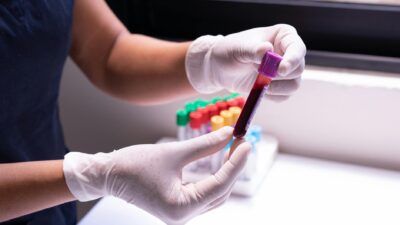
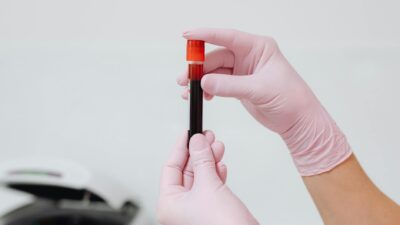
Yes, an A1C of 5.7% officially puts you in the prediabetes range. The American Diabetes Association defines prediabetes as an A1C of 5.7% to 6.4%, which means a result of exactly 5.7 is the lower threshold where the diagnosis begins. The good news: this is one of the most reversible points on the entire blood sugar spectrum, and decisive action now can return you to a normal A1C within 3-6 months.
What an A1C of 5.7 Actually Measures
The A1C test, also called hemoglobin A1C or HbA1c, measures the percentage of your red blood cells whose hemoglobin has sugar molecules permanently attached to it. Because red blood cells live about 120 days, the A1C reflects your average blood sugar over the past 2-3 months — not what you ate yesterday.
An A1C of 5.7% corresponds to an estimated average glucose (eAG) of about 117 mg/dL. For context, a normal average is closer to 100 mg/dL, and a diabetes average starts at 154 mg/dL.
A1C Ranges: Where 5.7 Fits
| A1C (%) | Estimated Average Glucose (mg/dL) | Category |
|---|---|---|
| Below 5.7 | Below 117 | Normal |
| 5.7 – 6.4 | 117 – 137 | Prediabetes |
| 6.5 or higher | 140 or higher | Diabetes |
An A1C of 5.7 sits at the entry point of the prediabetes band. You are not “almost there” — you are officially in. But you are much closer to normal than to diabetes, which is an important and motivating fact.
What It Means for Your Health Right Now
An A1C of 5.7 does not mean you feel sick, and it almost certainly does not require medication today. What it does mean:
- Your body is developing insulin resistance — cells are responding less efficiently to insulin.
- Your cardiovascular risk has begun to climb, with studies showing a roughly 20% higher risk of heart disease compared to people with a normal A1C.
- You are at elevated risk for fatty liver disease, high blood pressure, and early nerve changes.
- Without change, you have roughly a 1 in 4 chance of progressing to type 2 diabetes within 5 years.
Risk of Progression to Type 2 Diabetes
According to the CDC, 15-30% of people with prediabetes develop type 2 diabetes within 5 years without intervention. Progression is faster if you have any of the following:
- BMI over 30
- Waist circumference over 40 inches (men) or 35 inches (women)
- Parent or sibling with type 2 diabetes
- History of gestational diabetes
- Polycystic ovary syndrome
- High triglycerides or low HDL cholesterol
- Physical inactivity
Each additional risk factor raises the annual probability of crossing into diabetes. An A1C of 5.7 with no other risk factors behaves very differently from an A1C of 5.7 with abdominal obesity and a strong family history.
Immediate Next Steps
Here is a practical, evidence-based action plan for the next 90 days:
- Confirm the result. Ask about repeating the A1C, adding a fasting glucose, or getting an oral glucose tolerance test. Lab variability can account for small differences around the 5.7 threshold.
- Get a baseline panel. Lipids, liver enzymes, blood pressure, weight, and waist circumference give you numbers to track alongside A1C.
- Set a 5-7% weight loss goal if you are above your healthy weight. For a 200-pound adult, that is 10-14 pounds — and it is the single most impactful change you can make.
- Build 150 minutes of weekly activity. Brisk walking counts. Splitting it into 30 minutes five days a week is effective and sustainable.
- Refine the diet. Reduce refined carbs and sugary drinks; add vegetables, legumes, lean protein, and whole grains. Our diet and nutrition hub has practical meal guides.
- Protect sleep. Consistent 7-8 hours improves insulin sensitivity and hunger hormones.
- Retest A1C in 3-6 months. Earlier tests will not capture meaningful change.
How to Lower A1C from 5.7: What Works Best
The landmark Diabetes Prevention Program trial, published in the New England Journal of Medicine, showed that an intensive lifestyle intervention — roughly 7% weight loss and 150 minutes of weekly exercise — reduced progression to type 2 diabetes by 58% over three years, outperforming metformin. For many participants, A1C dropped back below the 5.7 threshold entirely.
Concrete changes that move the A1C needle:
| Change | Typical A1C Impact | Timeline |
|---|---|---|
| 5-7% weight loss | -0.3 to -0.7% | 3-6 months |
| 150 min/week moderate exercise | -0.2 to -0.5% | 2-3 months |
| Cut sugary drinks | -0.1 to -0.3% | 2-3 months |
| Mediterranean or low-carb pattern | -0.2 to -0.5% | 3 months |
| Metformin (if prescribed) | -0.2 to -0.4% | 3 months |
Changes compound. Someone who loses 7% of body weight, walks 30 minutes five days a week, and replaces soda with water can easily see a 0.5-0.8 percentage point drop — enough to move from 5.7 into the normal range.
What About Medication?
Most doctors do not prescribe medication for an A1C of 5.7. Lifestyle change is the first-line treatment, and a 3-6 month trial is standard. The American Diabetes Association considers metformin an option specifically for adults with prediabetes who:
- Are under age 60
- Have a BMI of 35 or higher
- Have a history of gestational diabetes
- Show rising A1C despite lifestyle change
Newer GLP-1 medications are not standard for prediabetes but are increasingly used off-label for weight management in high-risk individuals. Our treatment hub covers options in detail.
How A1C 5.7 Compares to Nearby Numbers
Small differences in A1C matter more than they sound. See how 5.7 fits with the numbers on either side:
- A1C 5.3 — solidly normal; low near-term risk.
- A1C 5.6 — high-normal; a warning to act before crossing the line.
- A1C 5.7 — lower edge of prediabetes; most reversible point.
- A1C 6.0 — mid-prediabetes; usually warrants structured intervention.
- A1C 6.4 — upper edge; one-tenth away from a diabetes diagnosis.
What to Expect at Your Follow-Up
Your doctor will likely recheck A1C at 3-6 months. A drop of even 0.2 percentage points is meaningful — it confirms your plan is working and reduces your progression risk. If A1C is stable or rising despite effort, the conversation typically shifts to referral to a registered dietitian, a CDC-recognized Diabetes Prevention Program, or consideration of metformin.
The Bottom Line
An A1C of 5.7% is the official doorstep of prediabetes — not a crisis, but not a number to ignore. You have caught the condition at its most reversible point, and the same lifestyle steps that lower A1C back below 5.7 also lower blood pressure, cholesterol, and cardiovascular risk. Confirm the result, set a 90-day plan focused on modest weight loss and consistent activity, and retest. With steady effort, many people return to normal blood sugar and stay there. Start this week — the biology is on your side when you act early.