An A1C of 5.8% falls in the prediabetes range (5.7-6.4%) and corresponds to an estimated average glucose of roughly 120 mg/dL. It is a signal — not a diagnosis of diabetes — that your glucose metabolism has started to drift. The good news: most people at 5.8% can return to normal with consistent lifestyle changes over several months.
Where 5.8% Sits in the A1C Spectrum
The American Diabetes Association divides A1C into three diagnostic bands:
| A1C | Category | Estimated Average Glucose |
|---|---|---|
| Below 5.7% | Normal | Below 117 mg/dL |
| 5.7% – 6.4% | Prediabetes | 117-137 mg/dL |
| 6.5% or higher | Diabetes | 140+ mg/dL |
At 5.8%, you are barely above the normal cutoff of 5.7% but still officially in prediabetes territory. Lab variability of roughly ±0.3% means that a repeat test could return 5.5% or 6.1%, which is one reason clinicians sometimes recommend a second measurement before acting.
What 5.8% Means Physiologically
Your average glucose is running about 10-20 mg/dL higher than it would in someone without any insulin resistance. Usually this reflects two overlapping issues: cells are responding less efficiently to insulin, and the pancreas is working harder to compensate. Over years, this pattern can exhaust beta cells and progress to type 2 diabetes — but it does not have to.
According to the CDC, roughly 37% of U.S. adults have prediabetes, and without intervention about 5-10% per year progress to type 2 diabetes. For people near 5.8%, progression rates tend to be on the lower end.
How You Got Here
A single cause is uncommon. Most A1Cs of 5.8 reflect a mix of modifiable and non-modifiable factors.
- Excess weight, especially around the abdomen
- Physical inactivity
- High intake of refined carbs and sugary drinks
- Chronic stress or poor sleep
- Family history of type 2 diabetes
- Older age — insulin sensitivity declines gradually
- Certain medications like corticosteroids or some antipsychotics
- PCOS or history of gestational diabetes
Why 5.8 Is a Good Place to Intervene
Large clinical trials show that lifestyle changes are most effective when applied early in prediabetes. The landmark Diabetes Prevention Program found that losing 5-7% of body weight and walking 150 minutes per week cut 3-year progression to type 2 diabetes by 58% — more effective than metformin, which cut risk by 31%. Effects persisted for more than a decade in follow-up studies.
Start from 5.8% and you have meaningful margin. Our guide on reversing prediabetes covers what the evidence supports in more depth.
Five Levers That Move A1C From 5.8 to Normal
1. Lose a Modest Amount of Weight
If you carry extra weight, losing 5-7% of body weight — roughly 10-14 pounds for a 200-pound person — improves insulin sensitivity more than any single dietary change. Rapid weight cycling is less helpful; aim for steady loss of 1-2 pounds per week.
2. Move After Meals
A 10-15 minute walk after eating reliably blunts post-meal glucose peaks, lowering average glucose and A1C over time. Muscles pull glucose from blood without much insulin during activity.
3. Upgrade Your Carbs
Refined grains and sugary drinks produce the largest spikes. Swap white bread for sourdough or 100% whole grain, white rice for quinoa or brown rice, and sweet drinks for water or unsweetened tea. Beans, lentils, and vegetables add fiber that slows glucose absorption.
4. Add Strength Training
Two or three resistance sessions per week build muscle, your largest glucose reservoir. Even 20-minute bodyweight routines produce measurable improvements in insulin sensitivity.
5. Prioritize Sleep
Sleeping less than six hours raises fasting glucose and cortisol, undermining other efforts. Consistent 7-8 hour nights are a cheap, underrated lever.
What About Medication?
For most people with an A1C of 5.8%, clinicians start with lifestyle changes alone. The ADA considers metformin for prediabetes mainly when A1C is above 6.0%, BMI is 35+, age is under 60, or there is a history of gestational diabetes. Some patients still benefit from discussing options — talk to your doctor about your full risk profile. Our treatment hub provides context.
Confounders Worth Ruling Out
A1C is not perfect. Several conditions can falsely raise or lower your number. If your 5.8% result seems out of character, ask about:
- Iron-deficiency anemia (may raise A1C)
- Hemoglobin variants like sickle cell trait
- Recent blood loss or transfusion
- Chronic kidney or liver disease
- Pregnancy (A1C is less reliable; use fasting and OGTT instead)
A fructosamine test or a brief stint with a continuous glucose monitor can clarify whether your daily glucose matches the A1C story.
How to Track Progress
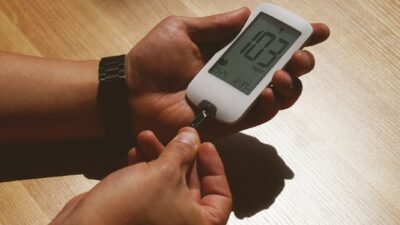
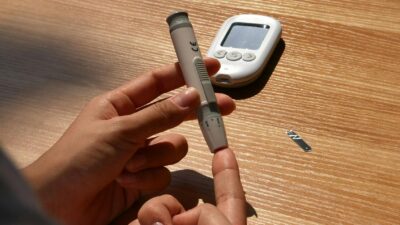
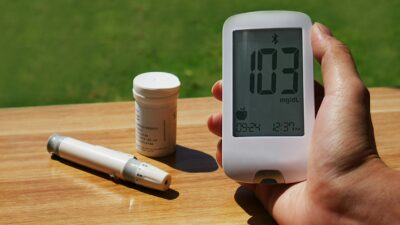
Recheck A1C in 3-6 months rather than every few weeks. Inside that window, you can monitor daily glucose with a home meter after a few meals per week or with a CGM for richer data. Aim for fasting values under 100 mg/dL and two-hour post-meal values under 140 mg/dL on most days.
Keep an eye on related markers too: blood pressure, triglycerides, waist circumference, and weight. Improvements often cluster — the same habits that drop A1C typically lower blood pressure and triglycerides as well.
What to Expect Over the Next Year
| Scenario | Likely A1C Path |
|---|---|
| Consistent lifestyle changes | 5.4-5.7% within 6-12 months |
| Modest changes, intermittent adherence | Stable around 5.7-5.9% |
| No changes, increasing weight | Gradual rise to 6.0-6.4% over years |
| Medication plus lifestyle | Often 5.3-5.6% within 6 months |
These are typical patterns, not guarantees. Work with your clinician to set realistic expectations for your own case. For a closer look at neighboring numbers, our A1C 5.4 guide covers the normal-range side of the threshold.
Common Mistakes to Avoid
- Panicking. 5.8% is early prediabetes, not a crisis.
- Extreme crash diets. Rapid weight loss is usually temporary and stressful.
- Focusing only on fasting glucose. Post-meal spikes often drive the number higher than fasting readings suggest.
- Relying on one lab number. Trend matters more than a single result.
- Ignoring sleep and stress. These influence glucose more than many people expect.
The Bottom Line
An A1C of 5.8% is a manageable, often reversible early warning. You have time, margin, and a strong evidence base for the changes that work: modest weight loss, regular movement, smarter carbs, strength training, and consistent sleep. Retest in 3-6 months, track a few meals with a meter if possible, and partner with your clinician to rule out confounders and confirm direction. For most people at 5.8%, the next year can look very different from the last one — usually in a good way.