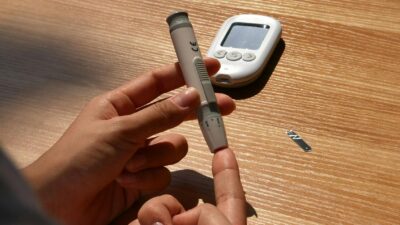
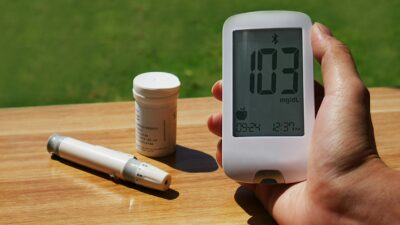
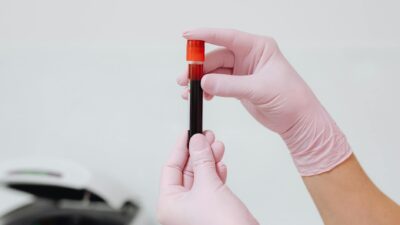
The hemoglobin A1C range is divided into three diagnostic zones by the American Diabetes Association: below 5.7% is considered normal, 5.7% to 6.4% indicates prediabetes, and 6.5% or higher on two separate tests is diagnostic for diabetes. Because A1C reflects your average blood glucose over roughly the past 90 days, it offers a broader view of control than any single fingerstick reading.
What Hemoglobin A1C Actually Measures
A1C (also written as HbA1c) measures the percentage of hemoglobin — the oxygen-carrying protein inside red blood cells — that has glucose permanently attached to it. The higher your blood sugar has been, the more glycation occurs. Because red blood cells live about 120 days, A1C represents a rolling average of glucose exposure over the previous two to three months.
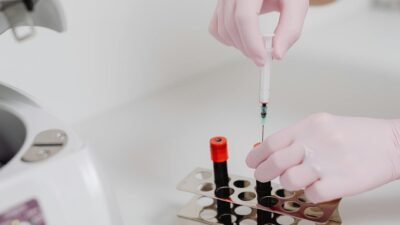
Unlike a finger-stick glucose test, you do not need to fast for an A1C. The test uses standard venous blood or, in some offices, a small capillary sample run on a point-of-care analyzer certified by the National Glycohemoglobin Standardization Program.
The Complete Hemoglobin A1C Range Chart
| A1C (%) | Estimated Average Glucose (mg/dL) | Category |
|---|---|---|
| Below 5.7 | Below 117 | Normal |
| 5.7 to 5.9 | 117 to 123 | Early prediabetes |
| 6.0 to 6.4 | 126 to 137 | Higher-risk prediabetes |
| 6.5 to 6.9 | 140 to 151 | Diabetes (often early) |
| 7.0 to 7.9 | 154 to 177 | Above typical diabetes target |
| 8.0 to 8.9 | 183 to 207 | Poorly controlled diabetes |
| 9.0 or higher | 212 or higher | High risk for complications |
The conversion between A1C and estimated average glucose (eAG) uses the ADAG study formula: eAG (mg/dL) = 28.7 × A1C − 46.7. It is an estimate, not a substitute for real-time monitoring.
Normal Hemoglobin A1C Range (Below 5.7%)
A result below 5.7% indicates that your average blood sugar has been in a healthy range. Most people with A1C values between 4.8% and 5.5% have stable glucose metabolism. For guidance on specific normal values, see our A1C levels hub, which breaks down every tenth of a point in detail.
A “normal” result is not permanent. A1C tends to rise with age, weight gain, and reduced activity, so periodic rechecks — every three years for most adults over 45 — remain valuable even if your current number looks reassuring.
Prediabetes Range (5.7% to 6.4%)
This window is where action matters most. Prediabetes means your cells have started resisting insulin, and your pancreas is working harder to keep glucose in check. Without intervention, research from the CDC suggests roughly 5 to 10% of people with prediabetes progress to type 2 diabetes each year.
The good news: the landmark Diabetes Prevention Program showed that structured lifestyle change reduced progression to type 2 diabetes by 58% over three years. Understanding whether prediabetes is reversible is a common first question — and for many people, the answer is yes, with consistent effort.
Subranges Within Prediabetes
- 5.7 to 5.9% — Early prediabetes: Often responds well to modest lifestyle tweaks alone.
- 6.0 to 6.2% — Mid-range: A structured program (nutrition, activity, possibly metformin) is often recommended.
- 6.3 to 6.4% — High-risk prediabetes: Close to the diabetes threshold; repeat testing and medical input are especially important.
Diabetes Range (6.5% and Above)
An A1C of 6.5% or higher meets the ADA criterion for a type 2 diabetes diagnosis, ideally confirmed by a second test on a different day (unless the first reading is very high with classic symptoms). Once diagnosed, most adults aim for an individualized A1C target — commonly below 7% — set by their care team.
A1C is only one piece of the picture. Fasting glucose, fructosamine, continuous glucose monitor time-in-range, and symptoms all matter, especially when A1C accuracy is in question.
Factors That Can Distort Hemoglobin A1C Readings
A1C assumes red blood cells live the typical 120 days. When that assumption is wrong, the result may be misleadingly high or low. Discuss alternatives with your clinician if any of the following apply:
- Iron-deficiency, B12-deficiency, or hemolytic anemia
- Chronic kidney disease requiring erythropoiesis-stimulating agents
- Recent blood loss, transfusion, or major surgery
- Pregnancy (red cell turnover shifts during gestation)
- Hemoglobin variants such as HbS, HbC, or HbE
- Thalassemia or sickle cell trait
- High-dose vitamin C or E supplementation (interference varies by assay)
How to Lower a Hemoglobin A1C in the Prediabetes or Diabetes Range
Reductions of 0.5 to 1.0 percentage points are realistic within three to six months for many people who consistently apply several evidence-supported changes:
- Lose 5 to 7% of body weight if overweight
- Accumulate 150 minutes of moderate activity per week
- Shift carbohydrate choices toward fiber-rich vegetables, legumes, and whole grains
- Limit sugar-sweetened beverages and refined snack foods
- Aim for 7 or more hours of sleep and manage chronic stress
- Follow your medication plan if one has been prescribed
Small, repeatable changes usually outperform drastic short-term overhauls.
How Often Should You Test?
General recommendations vary with your current range and risk factors:
| Your Current Range | Suggested Retest Interval |
|---|---|
| Normal, no risk factors | Every 3 years |
| Normal, with risk factors | Every 1 to 3 years |
| Prediabetes | Every 6 to 12 months |
| Diabetes, stable at goal | Every 6 months |
| Diabetes, not at goal or recent medication change | Every 3 months |
The Bottom Line
The hemoglobin A1C range is a simple but powerful framework — below 5.7% is normal, 5.7 to 6.4% is prediabetes, and 6.5% or higher meets the diabetes threshold. Because A1C reflects roughly 90 days of glucose exposure, small sustained changes in food, activity, sleep, and medication can shift your number meaningfully. Use your current A1C as a starting point, not a verdict, and partner with your clinician on a plan suited to your body, history, and goals.