A good A1C level is below 5.7% for adults without diabetes and typically below 7% for many nonpregnant adults with diabetes, according to the American Diabetes Association. Exact targets should be personalized — younger, healthier people may aim for 6.5% or lower, while older adults or those at high risk of hypoglycemia may have looser goals of 7.5-8%.
Defining “Good” at a High Level
A1C reflects average blood glucose over roughly three months. The lower your number, the closer your average glucose sits to non-diabetes territory. But “good” depends on who you are, what medications you take, and what risks you face from going too low.
These are the broad benchmarks most clinicians work from, drawn from the ADA Standards of Care:
| Situation | Typical A1C Goal |
|---|---|
| No diabetes | Below 5.7% |
| Prediabetes goal | Back below 5.7% |
| Most nonpregnant adults with diabetes | Below 7.0% |
| Younger, healthier people with diabetes | Below 6.5% if safely achievable |
| Older adults with multiple conditions | 7.5-8.0% |
| Frail elderly or end-of-life care | Up to 8.5% |
| Pregnancy with preexisting diabetes | Below 6.0-6.5% |
Why One Number Does Not Fit Everyone
Tight A1C control reduces long-term complications like neuropathy, retinopathy, and kidney disease. But pushing A1C below 6.5% with medication raises the risk of hypoglycemia, which in older adults can cause falls, cognitive decline, and cardiac events. The large ACCORD trial famously found that aggressive A1C targeting increased mortality in older adults with longstanding diabetes.
That is why modern guidelines emphasize individualization. Your doctor weighs your age, how long you have had diabetes, life expectancy, other medical conditions, hypoglycemia history, and personal preferences.
A Good A1C If You Do Not Have Diabetes
Below 5.7% is the threshold for “normal.” Most healthy adults fall between 4.8% and 5.6%. Within that range, there is no clinical benefit to chasing a lower number — a 4.9% is not better than a 5.3%. Many large studies show flat or slightly rising cardiovascular risk at very low A1Cs in people not on medication, probably reflecting underlying conditions rather than cause and effect.
If your A1C has been rising within the normal range over several years, that trend is worth noting even before you cross into prediabetes. Our A1C 5.3 guide covers what that mid-range number signals.
A Good A1C With Prediabetes
The goal is simple: get back under 5.7% and stay there. Studies like the Diabetes Prevention Program show that a 5-7% loss in body weight combined with 150 minutes of weekly moderate exercise reduces the chance of progressing to type 2 diabetes by 58%.
Practical levers include:
- Fiber-forward eating with fewer refined grains and sugary drinks
- Regular walking, especially after meals
- Resistance training two or more times per week
- Consistent sleep of at least 7 hours
- Stress management — cortisol raises glucose
For a comprehensive plan, see our guide on reversing prediabetes.
A Good A1C With Type 2 Diabetes
Below 7% is the standard goal for most adults. Evidence from the UKPDS and DCCT trials supports that target as the best balance between complication reduction and hypoglycemia risk. Younger adults with newly diagnosed diabetes who can reach 6.5% safely — often through lifestyle changes or low-hypoglycemia drugs like metformin, GLP-1 agonists, or SGLT2 inhibitors — may aim lower.
When Looser Is Better
The ADA explicitly endorses higher targets for:
- Limited life expectancy
- History of severe hypoglycemia
- Advanced micro- or macrovascular complications
- Multiple other chronic illnesses
- Long-standing disease that has been hard to control
A Good A1C With Type 1 Diabetes
Targets mirror type 2 diabetes — generally below 7% — but reaching them is harder because insulin dosing requires constant adjustment. Continuous glucose monitoring and insulin pumps help many people narrow the gap. For some adolescents and young adults, the ADA notes that targets of 7.0-7.5% may be more realistic and safer than chasing sub-7% numbers.
A Good A1C During Pregnancy
Targets tighten because elevated glucose raises the risk of birth defects, macrosomia, and neonatal hypoglycemia. The ADA recommends an A1C below 6-6.5% before and during pregnancy for those with preexisting diabetes, balanced against avoidance of hypoglycemia. Gestational diabetes is monitored more by daily glucose than by A1C, since A1C can lag behind real-time changes.
A Good A1C by Age
| Age Group | Typical Target Range |
|---|---|
| Children and adolescents with type 1 | Below 7.0% (individualized) |
| Healthy adults 18-65 | Below 7.0%, below 6.5% if feasible |
| Healthy adults 65+ | 7.0-7.5% |
| Older adults with complex conditions | 7.5-8.0% |
| Frail older adults | Up to 8.5% |
How Fast Can A1C Change?
Because red blood cells live about 120 days, A1C changes reflect the previous 2-3 months. Expect meaningful improvements at 3 months, not 3 weeks. Typical drops with committed lifestyle change are 0.5-1.0%; larger drops usually involve medication. The CDC notes that most people in structured prevention programs improve steadily over a year rather than in one big leap.
Measuring Progress Beyond A1C
A1C misses important patterns. A person with an A1C of 7% might have steady numbers or wild swings that average out. To get the full picture, clinicians increasingly use:
- Time in range (TIR): percent of time glucose sits between 70-180 mg/dL, from a continuous glucose monitor.
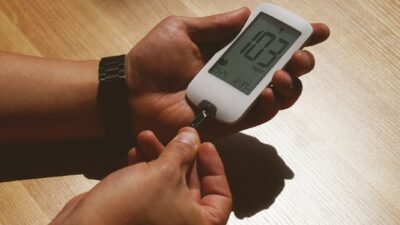
- Fasting and post-meal checks with a fingerstick meter.
- Blood pressure and lipid trends to gauge cardiovascular risk.
Many people find a CGM reveals post-meal spikes that A1C smooths away, enabling smarter food choices.
The Bottom Line
A good A1C is a moving target — below 5.7% for most people without diabetes, below 7% for many with diabetes, and adjusted upward or downward based on age, health, and hypoglycemia risk. Aim for the range your doctor tailors to you, pay attention to trends rather than single readings, and complement A1C with daily glucose patterns when possible. Consistency over months matters far more than perfection on any single test.