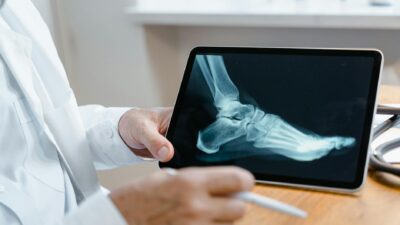
Mild diabetic neuropathy may be partially reversible with tight glucose control, weight loss, and addressing the underlying cause early. Established nerve damage with significant fiber loss is usually not fully reversible, but progression can be halted and symptoms often improve. Other neuropathies — from vitamin B12 deficiency, alcohol, certain medications, or Lyme disease — are often more reversible when the cause is treated. Most patients see meaningful symptom improvement even when full anatomical reversal is not possible.
How Reversible Is Neuropathy?
| Cause | Reversibility |
|---|---|
| Vitamin B12 deficiency | Usually high — often substantial recovery |
| Folate or thiamine deficiency | High if treated early |
| Alcohol-related (early) | Moderate to high with abstinence |
| Drug-induced (some) | Variable; depends on drug and dose |
| Lyme disease | Usually reversible with antibiotic treatment |
| Diabetic neuropathy (early, mild) | Partial — symptoms can improve, full reversal uncommon |
| Diabetic neuropathy (established) | Limited — progression often halted but damage persists |
| Chemotherapy-induced | Often partial recovery over 6 to 24 months |
| Genetic (Charcot-Marie-Tooth) | Not reversible |
| Idiopathic small-fiber | Limited; symptom management focused |
Why Diabetic Neuropathy Is Often Only Partially Reversible
- Sustained high glucose damages nerve cells through several mechanisms (oxidative stress, advanced glycation end products, microvascular ischemia)
- Once axons die, they cannot regrow at the same rate they degenerate
- Schwann cells (which support nerve regeneration) function less well in chronic hyperglycemia
- Microvascular damage to nerve blood supply is harder to reverse
- Long axons (those reaching to the feet) have less margin for damage repair
What Treatment Can Achieve
- Halt or substantially slow progression
- Reduce burning, tingling, and pain
- Improve walking and balance
- Prevent foot ulcers and amputations
- Restore some sensation in early cases
- Improve sleep and mental health
- Stabilize quality of life over years
Glucose Control: The Foundation
| A1C Target | Effect on Neuropathy |
|---|---|
| Under 6.5 percent | Strongest reduction in progression risk |
| 6.5 to 7.0 percent | Substantial benefit for most adults |
| 7.0 to 8.0 percent | Some benefit; may be appropriate target for older or comorbid patients |
| Over 8.0 percent | Continued progression risk |
Lifestyle Interventions With Evidence
- Aerobic exercise: 150+ minutes weekly improves nerve fiber density
- Resistance training: 2 to 3 sessions weekly preserves muscle and balance
- Weight loss: 5 to 10 percent body weight reduction improves nerve function
- Smoking cessation: reduces microvascular damage progression
- Alcohol moderation: heavy alcohol worsens neuropathy independently
- Mediterranean-style diet: anti-inflammatory; supports nerve health
- Sleep: 7 to 9 hours; treat sleep apnea if present
- Stress management: chronic cortisol elevation worsens symptoms
Supplements With Some Evidence
| Supplement | Typical Dose | Evidence |
|---|---|---|
| Alpha-lipoic acid | 600 mg daily | Modest symptom improvement in trials |
| Acetyl-L-carnitine | 1500 to 3000 mg daily | Modest pain reduction |
| Vitamin B12 | 1000 mcg daily if deficient | Strong if deficiency confirmed |
| Methylfolate | 800 mcg daily | Limited but supportive |
| Benfotiamine (B1 derivative) | 300 mg daily | Modest in some studies |
| Omega-3 fatty acids | 2 to 4 g EPA+DHA daily | Anti-inflammatory; emerging evidence |
| Magnesium | 200 to 400 mg daily | May help muscle cramping |
Medications That Reduce Symptoms
- Duloxetine — first-line for painful diabetic neuropathy
- Gabapentin and pregabalin — established options
- Tricyclic antidepressants (amitriptyline) — for sleep-disrupting pain
- Topical capsaicin or lidocaine
- Tramadol or opioids — limited use, last resort
These reduce pain but do not reverse nerve damage. Read more on treatment options.
Newer and Emerging Treatments
- Spinal cord stimulation for severe pain
- High-frequency transcutaneous nerve stimulation (TENS)
- Photobiomodulation (low-level laser therapy) — small studies showing modest benefit
- SUDOSCAN and similar devices for small-fiber autonomic monitoring
- Pancreatic islet transplantation in selected type 1 diabetes patients
- GLP-1 agonists may have neurotrophic effects in some studies
- Stem cell therapies — research stage
Realistic Expectations
| Stage | Likely Outcome With Treatment |
|---|---|
| Symptoms but no exam findings | Often substantially reversible with glucose control |
| Mild exam findings (vibration loss only) | Progression halted; partial recovery possible |
| Moderate findings (multiple modalities affected) | Progression slowed; symptom relief common; structural reversal limited |
| Severe (foot ulcers, gait changes) | Stabilization is the goal; reversal uncommon |
How Long Until You See Improvement?
- Vitamin B12 deficiency: 2 to 8 weeks for noticeable change
- Alcohol-related neuropathy: 3 to 12 months of abstinence
- Drug-induced neuropathy: weeks to many months after stopping the drug
- Diabetic neuropathy with tight control: 6 to 18 months for symptom changes
- Pain medication effect: 2 to 8 weeks at therapeutic dose
What Often Improves
- Burning sensation
- Sharp shooting pain
- Tingling
- Sleep quality
- Walking comfort
- Balance (with strength training)
- Mood and quality of life
What Rarely Reverses
- Profound numbness in established cases
- Loss of vibration sense
- Atrophy of foot muscles
- Foot deformity (Charcot)
- Severe autonomic dysfunction
When to Seek Specialized Care
- Rapidly progressing symptoms
- Asymmetric findings (one side much worse)
- Motor weakness
- Atypical symptom pattern
- Failure to improve despite glucose control
- Suspicion of non-diabetic cause
A neurologist with neuromuscular focus can run nerve conduction studies, EMG, skin biopsy, and broader workup.
Related Reading
For more on neuropathy and diabetes complications, see our guides on treatment options and prediabetes basics.
The Bottom Line
Whether neuropathy can be reversed depends on its cause and stage. Vitamin B12 deficiency, alcohol-related, and some drug-induced neuropathies often improve substantially when the cause is addressed. Diabetic neuropathy is partially reversible early but rarely fully reverses once nerve fibers are lost. The achievable goal for most patients with established neuropathy is halting progression and reducing symptoms — both very feasible with tight glucose control, lifestyle changes, supplements, and medications. Improvement is typically gradual, measured in months to years rather than weeks. Seeking care early and treating the underlying cause give the best chance for meaningful recovery.