Focal neuropathy affects one nerve or specific nerve group rather than the symmetric pattern of typical peripheral neuropathy. Common diabetic focal neuropathies include third-cranial-nerve palsy, median nerve compression (carpal tunnel), ulnar compression at the elbow, and femoral nerve damage. Onset is often sudden and painful. Most cases recover spontaneously over 3 to 12 months with supportive care and tight glucose control.
Focal vs Diffuse Neuropathy
| Feature | Focal Neuropathy | Diffuse Neuropathy |
|---|---|---|
| Onset | Sudden (hours to days) | Gradual (months to years) |
| Pattern | Single nerve, asymmetric | Symmetric, stocking-glove distribution |
| Pain | Often severe at onset | Burning, tingling, less acute |
| Recovery | Usually substantial in 3 to 12 months | Limited; progression slowed by treatment |
| Cause | Microvascular ischemia or compression | Chronic glucose toxicity to many nerves |
| A1C correlation | Often occurs with normal A1C | Strongly tied to chronic high A1C |
Common Patterns
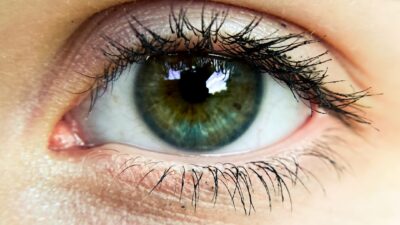
Third-Cranial-Nerve Palsy
- Sudden onset of upper eyelid droop (ptosis) on one side
- Double vision when both eyes are open
- Eye points outward and slightly downward
- Pupil usually preserved (distinguishes from compressive aneurysm)
- Severe pain around the eye is common at onset
- Recovers spontaneously over 3 to 6 months
Sixth-Cranial-Nerve Palsy
- Inability to move the eye outward
- Horizontal double vision worse with sideways gaze
- Less pain than third-nerve palsy
- Recovery in 2 to 6 months
Carpal Tunnel Syndrome (Median Nerve)
- Numbness and tingling in thumb, index, middle, and half of ring finger
- Pain often worse at night
- Weakness gripping objects in advanced cases
- 2 to 3 times more common in diabetes than in the general population
- Treated with wrist splints, steroid injections, or surgical release
Ulnar Neuropathy at the Elbow
- Numbness and tingling in pinky and half of ring finger
- Weakness of grip and finger spreading
- Worse with elbow flexion
- Common after surgery or prolonged elbow leaning
- Treated with elbow padding, splints, or surgery
Femoral Neuropathy (Diabetic Amyotrophy / Lumbosacral Radiculoplexopathy)
- Severe pain in the front of the thigh, often hip or low back
- Weakness in quadriceps (difficulty climbing stairs, standing from sitting)
- Weight loss often accompanies onset
- Usually unilateral but can become bilateral
- Recovery over 6 to 18 months
Truncal Radiculopathy
- Sudden severe burning or stabbing pain in chest, abdomen, or back
- Often misdiagnosed as cardiac or abdominal disease initially
- Numbness in a band-like distribution
- Recovery over 4 to 12 months
Common Peroneal Nerve at the Knee
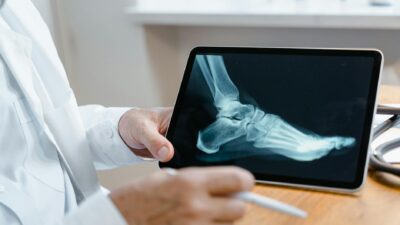
- Foot drop (inability to lift the foot)
- Numbness on the top of the foot and outer leg
- Often from prolonged crossed-leg sitting or weight loss reducing knee padding
Diagnostic Workup
- Detailed neurologic examination identifying the affected nerve
- Nerve conduction studies and EMG to confirm location and severity
- MRI of the orbit or brain for cranial palsies (rule out tumor, aneurysm)
- MRI of the spine for radiculopathies
- Lab work: glucose, A1C, ESR, CRP, B12, thyroid, ANA, ANCA
- Lumbar puncture if inflammatory cause suspected
Treatment
- Tight glucose control with A1C target individualized
- Pain management with neuropathic agents (duloxetine, gabapentin, pregabalin)
- Short courses of corticosteroids in selected cases of inflammatory components
- Wrist splints for carpal tunnel
- Elbow pads for ulnar neuropathy
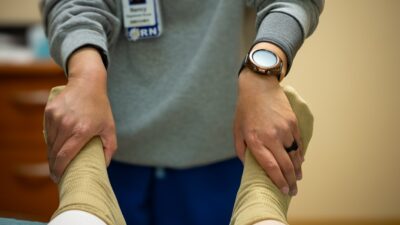
- Physical therapy for strength and balance
- Surgical decompression for compression neuropathies that do not improve
- Eye patches or prism glasses for double vision during recovery
What Speeds Recovery
- A1C below 7 percent
- Blood pressure under 130/80
- LDL cholesterol below 100 mg/dL
- Smoking cessation
- Daily moderate aerobic activity
- Targeted physical therapy 2 to 3 sessions weekly
- Adequate protein intake to support muscle and nerve repair
- Treating sleep apnea if present
Differential Diagnosis Concerns
Focal neuropathy symptoms can overlap with serious conditions that must be ruled out:
- Stroke (especially if multiple deficits or face weakness)
- Aneurysm (third-cranial-nerve palsy with pupil involvement)
- Tumor compressing a nerve
- Multiple sclerosis
- Vasculitis (systemic inflammation of small vessels)
- Lyme disease
- HIV neuropathy
- Heavy metal poisoning
- Spinal disc herniation
Sudden focal neurologic symptoms warrant prompt evaluation, not home wait-and-see.
Recovery Timeline
| Type | Typical Recovery |
|---|---|
| Third-nerve palsy | 3 to 6 months |
| Sixth-nerve palsy | 2 to 6 months |
| Carpal tunnel (mild) | Weeks with splint and night-care |
| Carpal tunnel (severe) | Surgery; 4 to 12 weeks recovery |
| Ulnar neuropathy | 3 to 12 months with conservative care |
| Femoral neuropathy | 6 to 18 months |
| Truncal radiculopathy | 4 to 12 months |
| Foot drop (peroneal) | 3 to 12 months |
What to Do at Onset
- Document onset time and progression
- Seek same-day evaluation for sudden weakness, double vision, or face involvement
- Note any contributing factors (recent surgery, prolonged positioning, weight loss)
- Bring current medication list and recent labs
- Confirm diabetes status and A1C history if relevant
- Follow up with specialist referral as recommended
Related Reading
For more on diabetic neuropathy and complications, see our guides on treatment options and prediabetes basics.
The Bottom Line
Focal neuropathy affects a single nerve or nerve group with sudden onset, often painful, and one-sided. In diabetes the most common patterns are cranial palsies (third or sixth nerve), carpal tunnel syndrome, ulnar nerve compression, femoral neuropathy, and truncal radiculopathy. Recovery is usually substantial over 3 to 18 months with tight glucose control, pain management, physical therapy, and treatment of compression where present. Sudden focal neurologic symptoms always warrant prompt evaluation to rule out stroke, aneurysm, or other emergent causes. Most patients regain near-normal function with appropriate care.