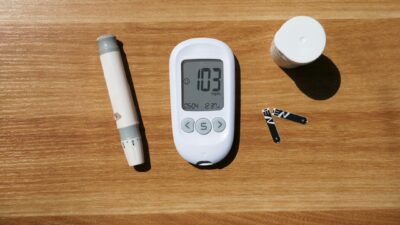
Most diabetic neuropathy develops only after years of poorly controlled diabetes, which means a meaningful prevention window exists for nearly everyone with a new diagnosis. The biggest lever by far is consistent glycemic control. Blood pressure management, lipid control, not smoking, exercise, foot care, and addressing nutritional gaps such as vitamin B12 deficiency each add substantial protection. Once nerve fibers are lost, much of the damage is permanent — which is why prevention work matters most in the first 5 to 10 years.
Why Neuropathy Develops
Chronic high blood glucose damages peripheral nerves through several overlapping mechanisms:
- Accumulation of sorbitol and fructose inside nerve cells (polyol pathway), drawing in water and reducing nerve fiber function
- Glycation of nerve proteins, producing advanced glycation end products (AGEs) that stiffen tissue
- Damage to the small blood vessels (vasa nervorum) that supply oxygen to nerves
- Oxidative stress and inflammation in nerve fibers and supporting cells
- Insulin and growth factor signaling disruption
Each of these has a glucose-related driver, which is why bringing blood sugar into range slows or halts the underlying process.
Risk Factors — What Increases Neuropathy Risk
| Risk Factor | Why It Matters | Modifiable |
|---|---|---|
| High A1C | Glycation, oxidative stress, microvascular damage | Yes |
| Long diabetes duration | Cumulative exposure to glucose | Partially (early diagnosis helps) |
| Hypertension | Microvascular damage to nerve supply | Yes |
| High triglycerides / low HDL | Lipid-driven nerve damage | Yes |
| Smoking | Vascular damage, oxidative stress | Yes |
| Heavy alcohol use | Direct neurotoxicity, B vitamin loss | Yes |
| Obesity | Insulin resistance, inflammation | Yes |
| Vitamin B12 deficiency | Demyelinates nerves | Yes |
| Tall stature | Longer axons more vulnerable | No |
| Genetic susceptibility | Family clustering | No |
The Strongest Prevention Lever — Glycemic Control
The Diabetes Control and Complications Trial (DCCT) randomized people with type 1 diabetes to intensive insulin therapy (mean A1C ~7%) or conventional therapy (mean A1C ~9%) and followed them for 6.5 years. Intensive therapy reduced the incidence of clinical neuropathy by roughly 60 percent. The follow-up EDIC observational study showed the benefit persisted for decades — a phenomenon called metabolic memory.
For type 2 diabetes, results are more mixed. The UKPDS showed reductions in microvascular endpoints (including some neuropathy measures) with intensive control. The ACCORD trial cautioned that very aggressive A1C lowering in older adults with longstanding diabetes did not reduce cardiovascular events and increased hypoglycemia — which is why current guidance individualizes targets.
Practical Glycemic Goals
- A1C generally under 7 percent for most healthier adults
- Under 6.5 percent for some younger, healthier adults if achievable without significant hypoglycemia
- Under 8 percent for adults with limited life expectancy, severe hypoglycemia, longstanding diabetes, or extensive complications
- Continuous glucose monitor metric: time in range (70 to 180 mg/dL) generally over 70 percent for most adults
Blood Pressure Control
Hypertension worsens the microvascular component of neuropathy and accelerates retinopathy and kidney disease. Most adults with diabetes should target blood pressure under 130/80 mmHg. ACE inhibitors and ARBs are often first-line, particularly in the presence of albuminuria. Home blood pressure monitoring helps identify masked hypertension and white-coat effects.
Lipid Management
High triglycerides and low HDL cholesterol are independently associated with neuropathy progression in observational data. Statin therapy reduces cardiovascular events and is recommended for most adults with diabetes age 40 to 75. Discussion with your clinician should include LDL and non-HDL targets; some adults with diabetes and additional risk factors target LDL under 70 mg/dL.
Smoking Cessation
Smoking damages the vasa nervorum, raises oxidative stress, accelerates atherosclerosis, impairs wound healing, and roughly doubles the risk of amputation in people with diabetes. Quitting reduces this risk over time. Resources include the Quitline (1-800-QUIT-NOW), nicotine replacement therapy, varenicline, and bupropion. Combined behavioral counseling and pharmacotherapy work better than either alone.
Alcohol Moderation
Alcohol is directly neurotoxic at high intake and depletes vitamins B1 (thiamine), B6, and B12. Alcohol-induced neuropathy adds to diabetic neuropathy. Most guidelines suggest a limit of no more than one drink per day for women and two for men, though recent evidence has moved many specialists toward even lower thresholds. People with established neuropathy may benefit from abstaining altogether.
Physical Activity
Regular exercise improves insulin sensitivity, lowers A1C by approximately 0.5 to 0.7 percent on average, lowers blood pressure, improves lipids, supports weight management, and improves balance. A small but growing body of research suggests it may also have direct nerve-protective effects.
- At least 150 minutes of moderate-intensity aerobic activity weekly (brisk walking, swimming, cycling)
- 2 to 3 resistance training sessions per week
- Balance and flexibility work, especially as we age
- Break up prolonged sitting every 30 minutes when feasible
- Inspect feet after every workout if neuropathy or foot deformity exists
Diet
No single diet is required for diabetes, but several patterns consistently lower A1C, blood pressure, and weight:
- Mediterranean-style: emphasizing vegetables, fruits, legumes, nuts, olive oil, fish, modest whole grains
- DASH-style: emphasizing low sodium, fruits, vegetables, low-fat dairy, lean proteins
- Lower-carbohydrate patterns: 26 to 45 percent of energy from carbohydrate, individualized
- Plant-based with adequate B12 supplementation
A registered dietitian can help individualize meal planning. See our overview of diet and nutrition.
Vitamin B12 Monitoring
Metformin can reduce intestinal absorption of vitamin B12 over time. The ADA recommends periodic B12 testing in people on metformin for more than 5 years, particularly those with neuropathy symptoms or other risk factors. Vegetarians, vegans, and adults over 65 are at higher baseline risk. B12 deficiency causes a peripheral neuropathy that can mimic or worsen diabetic neuropathy and is largely reversible with supplementation if caught early.
Foot Care — Preventing Neuropathy’s Worst Consequences
Even with good systemic prevention, some people develop neuropathy. Foot care prevents the most serious consequence — ulceration, infection, and amputation:
- Annual comprehensive foot exam from diagnosis
- Daily self-inspection (mirror under the soles)
- Properly fitted shoes — avoid pointed toes and high heels
- Diabetic socks (seamless, moisture-wicking, non-binding)
- Never go barefoot, even at home
- Trim toenails straight across; see a podiatrist if vision or dexterity is limited
- Treat fungal infections and dry skin promptly
- Custom orthotics or therapeutic shoes if any deformity exists
- Same-day clinical evaluation for any new wound, blister, or red hot swollen area
Weight Management
For adults with type 2 diabetes and overweight or obesity, weight loss of 5 to 10 percent improves glycemic control, blood pressure, and lipids — each of which has its own prevention benefit. GLP-1 receptor agonists (semaglutide, tirzepatide, liraglutide) and SGLT2 inhibitors can both improve glycemia and support modest weight reduction. Bariatric or metabolic surgery is an option for severe obesity in selected patients.
Other Practical Steps
- Annual eye exam — retinopathy and neuropathy share risk factors
- Annual kidney function (UACR and eGFR) — kidney disease and neuropathy progress together
- Address sleep apnea if present
- Manage depression and stress — they affect glucose, behavior, and pain perception
- Review all medications with your clinician for neurotoxic agents (chemotherapy, isoniazid, metronidazole, phenytoin, amiodarone)
Time Horizon — When to Expect Benefit
Glycemic improvements show up in lab markers within months. Microvascular and nerve benefits emerge over years. The DCCT demonstrated that early intensive control delivered protection that persisted for decades, even after glycemic differences between groups narrowed (the metabolic memory effect). Conversely, years of poor control have lasting consequences. The single most powerful message is to start early and stay consistent.
For broader resources, see our overviews of complications, A1C targets, and treatment. Authoritative external resources include the ADA Standards of Care and the CDC’s diabetes management resources.
The Bottom Line
The prevention window for diabetic neuropathy is real. Most clinical neuropathy develops only after 5 to 10 years of poorly controlled diabetes — and the DCCT demonstrated about a 60 percent reduction in clinical neuropathy with intensive glycemic control. Combine that with blood pressure and lipid management, smoking cessation, alcohol moderation, regular exercise, a balanced diet, B12 monitoring on long-term metformin, and a foot-care routine, and the cumulative protection is substantial. Established neuropathy is largely not reversible, which makes this one area where prevention is genuinely the leverage point. Talk to your doctor about your individualized targets and the right schedule of monitoring.