Chemotherapy and diabetes interact in several ways. Glucocorticoids cause pulsatile hyperglycemia each cycle, L-asparaginase damages islet cells, platinum agents impair kidneys (limiting metformin), and immune checkpoint inhibitors occasionally trigger new autoimmune diabetes. Glycemic targets are usually loosened — 140 to 180 mg/dL is a common goal, and 160 to 220 mg/dL is acceptable in frail or palliative patients. Insulin needs often vary dramatically by cycle day. Team-based oncology-endocrinology care and patient education are the foundation of safe glucose management during chemotherapy.
Why Chemotherapy Affects Diabetes
Cancer treatment touches glucose metabolism through multiple pathways. Glucocorticoids in many regimens cause insulin resistance, hepatic glucose output, and reduced beta cell function. Specific cytotoxic agents damage islets or kidneys. Cancer itself causes systemic inflammation that worsens insulin sensitivity, and cachexia or feeding changes shift insulin needs unpredictably. Patients with pre-existing diabetes often see large swings, and a substantial number develop new hyperglycemia or frank diabetes during treatment.
For people with diabetes facing chemotherapy, the priority is to keep glucose in a safe range that protects against infection and dehydration while avoiding hypoglycemia — which can have serious consequences during cancer treatment.
Chemotherapy Agents That Affect Glucose
| Drug or Class | Glucose Effect | Mechanism |
|---|---|---|
| Dexamethasone, prednisone, methylprednisolone | Marked hyperglycemia | Insulin resistance, hepatic glucose output |
| L-asparaginase, pegaspargase | Hyperglycemia, DKA risk | Direct islet cell damage |
| Cisplatin, carboplatin | Indirect — kidney injury | Limits metformin and changes insulin clearance |
| Everolimus, sirolimus (mTOR inhibitors) | Hyperglycemia | Beta cell dysfunction, insulin resistance |
| Nilotinib, dasatinib, imatinib (TKIs) | Variable | Insulin resistance and secretion changes |
| Bevacizumab | Mild hyperglycemia | VEGF pathway |
| Immune checkpoint inhibitors | Rare autoimmune diabetes | T-cell-mediated beta cell destruction |
| Octreotide | Variable (hypo or hyperglycemia) | Suppression of insulin and glucagon |
| Interferon alpha | Hyperglycemia, autoimmunity | Immune activation |
| 5-FU, capecitabine | Usually neutral | — |
Steroid-Induced Hyperglycemia Patterns
- Dexamethasone is the most common offender — long half-life means hyperglycemia persists 24 to 48 hours after dose
- Glucose typically rises in the afternoon and evening on dosing days
- Fasting glucose may remain near baseline even when daytime levels are high
- NPH insulin given with morning steroid often matches the duration well
- Hyperglycemia may improve dramatically between cycles, requiring proactive dose reduction to avoid hypoglycemia
L-Asparaginase
- Used in acute lymphoblastic leukemia and some lymphomas
- Hyperglycemia in 5 to 30 percent of treated patients
- Diabetic ketoacidosis can occur, sometimes with normal C-peptide initially
- May coexist with hypertriglyceridemia and pancreatitis
- Insulin is typically required; oral agents rarely sufficient
- Some patients recover beta cell function after treatment; others develop persistent diabetes
Glycemic Targets During Cancer Treatment
| Setting | Glucose Target | A1C Goal |
|---|---|---|
| Stable outpatient, good prognosis | 80 to 130 mg/dL fasting; under 180 postprandial | Less than 7 percent if safe |
| Hospitalized, non-critical | 140 to 180 mg/dL | Not typically used in admission |
| ICU | 140 to 180 mg/dL with insulin infusion if greater than 180 | — |
| Frail, elderly, or limited life expectancy | 160 to 220 mg/dL | Less than 8 to 8.5 percent |
| End-of-life / palliative | Avoid hypoglycemia and symptomatic hyperglycemia | Often deprioritized |
Monitoring Strategies
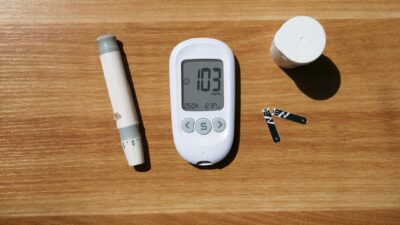
- Home fingerstick glucose 4 times daily during active treatment
- Increased frequency on steroid-containing days
- Continuous glucose monitoring (CGM) increasingly used during chemotherapy
- A1C every 3 months, but recognize its limits during chronic illness
- Capillary ketones for type 1 diabetes or L-asparaginase recipients with hyperglycemia
- Patient education on DKA symptoms (nausea, vomiting, abdominal pain, fruity breath)
Treatment Approach
Insulin
- Often the safest choice during active chemotherapy
- Basal-bolus regimens for inpatients
- NPH timed to morning glucocorticoid can match daytime peak
- Dose adjustments may be needed daily — typical 10 to 30 percent changes
- Hold or reduce on non-eating days
Oral and Injectable Non-Insulin Agents
- Metformin — pause for nephrotoxic chemo or AKI; resume when eGFR recovers
- SGLT2 inhibitors — caution because of euglycemic DKA risk during fasting, dehydration, or critical illness; usually pause during admission
- GLP-1 receptor agonists — can suppress appetite further; weigh against cachexia
- Sulfonylureas — hypoglycemia risk during variable intake; often paused
- DPP-4 inhibitors — generally well tolerated but modest effect
- Pioglitazone — fluid retention concerns
Coordinated Care
- Oncology, endocrinology, primary care, and pharmacy alignment
- Sick-day rules written down for the patient
- Steroid-dose calendar shared with diabetes team
- 24-hour contact for hyperglycemia or hypoglycemia
Cancer Cachexia and Glucose
- Progressive weight loss reduces insulin requirement
- Reduced food intake increases hypoglycemia risk
- Adipose tissue loss may improve insulin sensitivity
- Sarcopenia worsens glucose metabolism long-term
- Nutritional support balanced with glycemic safety
Hospital-Specific Considerations
| Situation | Action |
|---|---|
| Pre-chemo admission | Review home regimen, A1C, kidney and liver function |
| Day of high-dose steroid | Add or increase NPH or rapid-acting insulin coverage |
| NPO (nothing by mouth) | Hold sulfonylureas, reduce basal insulin 20 to 30 percent |
| Nausea and vomiting | Frequent glucose checks, IV fluids, antiemetic support |
| Sepsis or infection | Insulin infusion if persistently above 180 |
| Discharge | Stepdown plan, patient education, follow-up appointment |
Special Situations
Immune Checkpoint Inhibitor-Induced Diabetes
- Less than 1 percent of treated patients
- Often presents acutely with DKA
- C-peptide low; islet autoantibodies sometimes positive
- Permanent insulin dependence usual
- Continue immunotherapy in most cases — see our companion guide on immunotherapy and diabetes for full detail
Stem Cell Transplant
- Conditioning regimens often diabetogenic
- Long-term steroid use for GVHD perpetuates hyperglycemia
- Calcineurin inhibitors add insulin resistance
- Often requires dedicated diabetes team during recovery
Pediatric Oncology
- L-asparaginase a particular concern in ALL
- Lower BMI thresholds for risk
- Family-based education essential
Prevention and Risk Reduction
- Pre-treatment baseline A1C and kidney function — see our A1C levels guide
- Optimize diabetes control before non-urgent chemotherapy
- Patient education on steroid days and sick-day rules
- Vaccinations before immunosuppression
- Foot care — chemo neuropathy compounds diabetic risk
- Monitor for late complications such as kidney failure from nephrotoxic agents
- For broader context, see our complications and related conditions hub
The Bottom Line
Chemotherapy and diabetes intersect through steroid-induced hyperglycemia, L-asparaginase islet damage, platinum nephrotoxicity, mTOR inhibitor effects, and rare immunotherapy-related autoimmune diabetes. Glycemic targets are usually relaxed during cancer treatment — 140 to 180 mg/dL inpatient, 160 to 220 mg/dL in frail patients — to balance infection risk against hypoglycemia harm. Insulin is often the safest agent during active chemo, with daily adjustments tracking cycle day and food intake. Coordinated oncology-endocrinology care, written sick-day rules, and patient education on DKA recognition substantially improve outcomes. Talk to your doctor about a glucose plan before each new chemotherapy cycle, and seek emergency care for vomiting, fruity breath, or glucose persistently above 300 mg/dL.