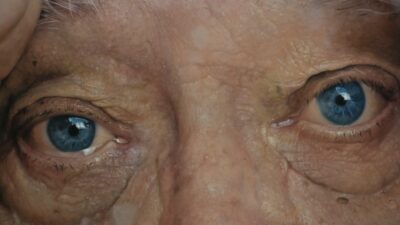
Cortisol is the body’s primary glucocorticoid stress hormone — it raises blood glucose through hepatic gluconeogenesis, glycogenolysis, and antagonism of insulin at muscle and fat tissue. A normal diurnal rhythm peaks about 30 minutes after waking and reaches its low point near midnight. Acute stress produces a transient glucose spike useful for fight-or-flight. Chronic stress and prescription steroids produce sustained hyperglycemia, central obesity, insulin resistance, and hypertension. Steroid-induced diabetes is treatable; rarely, Cushing’s syndrome causes persistent hypercortisolism. Stress management with meditation, exercise, sleep, and social connection produces measurable A1C benefit.
What Cortisol Does
- Stimulates hepatic gluconeogenesis (new glucose synthesis from amino acids and glycerol)
- Activates glycogenolysis (breakdown of stored glycogen in liver)
- Antagonizes insulin signaling in muscle and adipose tissue
- Reduces glucose uptake at the periphery
- Promotes lipolysis — fat breakdown to supply gluconeogenesis
- Promotes proteolysis — muscle protein breakdown
- Redistributes fat to central depots (abdominal, supraclavicular, dorsocervical “buffalo hump”)
- Raises blood pressure via mineralocorticoid activity
- Suppresses immune function
- Inhibits bone formation
Normal Cortisol Rhythm
| Time | Cortisol Pattern |
|---|---|
| Midnight | Nadir (lowest) |
| 2 to 4 am | Beginning of pre-waking rise |
| Wake time | Significant rise |
| 30 min after waking | Cortisol Awakening Response (CAR) — peak |
| Late morning | Gradual decline |
| Afternoon | Continued decline |
| Evening | Low |
| Bedtime | Approaching nadir |
Acute vs Chronic Stress Response
Acute Stress (Helpful)
- Brief cortisol and adrenaline surge
- Rapid glucose mobilization for muscles
- Heightened attention and reaction time
- Resolves within hours after the stressor
- Evolutionarily adaptive for short-term threats
Chronic Stress (Harmful)
- Persistently elevated cortisol
- Central adiposity (abdominal fat accumulation)
- Insulin resistance
- Hyperglycemia and worsened A1C
- Hypertension
- Dyslipidemia (high triglycerides, low HDL)
- Suppressed immune function
- Reduced bone density
- Depression and anxiety
- Sleep disturbance
- Behavioral changes — comfort eating, reduced exercise, alcohol use
Stress Pathways That Worsen Glucose
- Cortisol (HPA axis)
- Catecholamines (adrenaline, noradrenaline) — sympathetic nervous system
- Glucagon
- Growth hormone
- Inflammatory cytokines (IL-6, TNF-alpha)
- Reduced parasympathetic (vagal) tone
- Behavioral pathways — disrupted sleep, comfort eating, sedentary behavior
Steroid-Induced Diabetes
Causative Medications
- Oral prednisone, prednisolone
- Oral methylprednisolone (Medrol)
- Oral dexamethasone
- IV hydrocortisone, methylprednisolone
- Intramuscular Depo-Medrol, Kenalog
- Intra-articular injections (large repeated doses)
- High-dose inhaled corticosteroids (long-term)
- High-potency topical steroids over large body surface area
- Epidural steroid injections (transient effect)
- Combination therapies in cancer (dexamethasone with chemotherapy)
Typical Glucose Pattern
- Fasting glucose may be near normal
- Post-breakfast often normal
- Pre-lunch elevated
- Afternoon and dinner glucose markedly elevated
- Returns toward baseline overnight
- Pattern reflects steroid pharmacokinetics — once-daily morning prednisone peaks effect 4 to 8 hours later
Risk Factors for Steroid-Induced Diabetes
- Prior prediabetes or T2D
- Family history of diabetes
- Obesity
- Older age
- Higher steroid dose
- Longer duration of therapy
- Non-white ethnicity (higher background risk)
- Concomitant immunosuppressants (tacrolimus, cyclosporine)
Management
- Self-monitor glucose at home — at least pre-meal and bedtime initially; pre-lunch and pre-dinner are the highest-yield times
- Continuous glucose monitor often helpful
- Diet adjustments — fewer simple carbohydrates, more protein and fiber
- Activity if tolerated
- Metformin if mild and feasible
- Insulin — often NPH timed to peak with steroid effect (morning NPH covers afternoon glucose); or rapid-acting analog at lunch and dinner
- Avoid SGLT2 inhibitors if hospitalized or on high-dose steroids — DKA risk
- Taper the steroid as clinically possible
- Reassess glucose 4 to 6 weeks after steroid discontinuation; may resolve or may persist
Cushing’s Syndrome — Rare But Important
Clinical Features
- Central obesity with thin extremities
- Purple striae wider than 1 cm (especially abdomen, thighs, breasts)
- “Moon face” — rounded facial appearance
- Dorsocervical fat pad (“buffalo hump”)
- Supraclavicular fat pads
- Facial plethora (red, full appearance)
- Easy bruising
- Proximal muscle weakness
- Hypertension
- Osteoporosis at young age or atypical fractures
- Menstrual irregularity, low libido
- Depression, mood swings, psychosis
- Recurrent infections
- Hyperpigmentation (in ACTH-driven cases)
Screening Tests
- Late-night salivary cortisol (×2, on separate nights)
- 24-hour urine free cortisol (×2)
- 1 mg overnight dexamethasone suppression test (morning cortisol below 1.8 mcg/dL = normal suppression)
- Two abnormal screening tests warrant endocrinology referral
- Avoid testing during acute illness, depression, alcohol use, or pregnancy when possible (high false positives)
Causes
| Cause | Frequency |
|---|---|
| Exogenous (prescribed steroids) | By far most common |
| Pituitary ACTH-producing adenoma (Cushing’s disease) | About 70 percent of endogenous |
| Ectopic ACTH (lung carcinoid, small cell lung cancer, others) | 10 to 15 percent |
| Adrenal adenoma or carcinoma | 15 to 20 percent |
| Adrenal hyperplasia (rare) | Less than 5 percent |
Evidence-Based Stress Management
Mindfulness and Meditation
- Mindfulness-Based Stress Reduction (MBSR) — 8-week structured program; documented A1C improvement
- Apps: Calm, Headspace, Insight Timer, Healthy Minds Program (free)
- Daily 10 to 20 minutes meaningful for stress and possibly glucose
Physical Activity
- 150 minutes moderate or 75 minutes vigorous aerobic per week
- Resistance training 2 to 3 sessions weekly
- Yoga combines movement, breathing, and mindfulness; consistent evidence in stress and modest A1C effects
- Tai chi useful in older adults
- Outdoor activity adds benefit (sunlight, nature exposure)
Sleep
- 7 to 8 hours nightly
- Consistent schedule
- CBT-I for chronic insomnia (see our insomnia article)
Social Connection
- Strong social ties reduce cortisol and CV risk
- Loneliness has metabolic and immune effects comparable to smoking 15 cigarettes daily in some studies
- Support groups, faith communities, regular contact with friends and family
Cognitive Behavioral Therapy (CBT)
- Effective for anxiety, depression, insomnia, and “diabetes distress”
- Skills generalizable to many life stressors
- Available in-person, telehealth, and via apps
Diet
- Mediterranean dietary pattern
- Adequate protein and fiber
- Limit refined carbohydrates and alcohol
- Avoid emotional eating triggers
- Caffeine moderation
Breathing Practices
- 4-7-8 breathing
- Box breathing (4-4-4-4)
- Coherent breathing at about 6 breaths per minute
- HeartMath and similar biofeedback methods
Diabetes Distress
- Specific construct: emotional burden of living with diabetes
- Different from depression — though they overlap
- Validated tool: Diabetes Distress Scale (DDS-17 or DDS-2)
- Sources: regimen demands, fear of complications, social burdens, clinician relationship
- Treatment: education, peer support, diabetes-focused CBT, technology to simplify regimen
When to Seek Professional Help
- Persistent low mood, hopelessness, suicidal thoughts (urgent — call 988 in US)
- Inability to function at work, home, or socially
- Substance use as coping
- Treatment-resistant hyperglycemia with characteristic Cushing’s features
- Chronic insomnia not responding to sleep hygiene
- Significant diabetes distress affecting self-care
Related Reading
See our overviews on complications and related conditions, diabetes and insomnia, and is prediabetes reversible. The Endocrine Society Cushing’s syndrome guideline outlines diagnostic testing for suspected hypercortisolism.
The Bottom Line
Cortisol raises blood glucose through hepatic gluconeogenesis, glycogenolysis, and antagonism of insulin in muscle and fat. A normal diurnal rhythm peaks 30 minutes after waking and is lowest near midnight. Acute stress is adaptive; chronic stress drives central adiposity, insulin resistance, and worsened A1C. Steroid medications are the most common cause of clinically significant cortisol-driven hyperglycemia — the pattern is afternoon and evening spikes from morning-dosed prednisone, often manageable with NPH insulin timed to steroid action. Cushing’s syndrome is rare but worth considering when treatment-resistant diabetes coexists with central obesity, purple striae, hypertension, and proximal weakness. Stress management with mindfulness, exercise, sleep, social connection, and CBT produces measurable A1C improvement. Talk to your doctor about a stress management plan as part of comprehensive diabetes care.