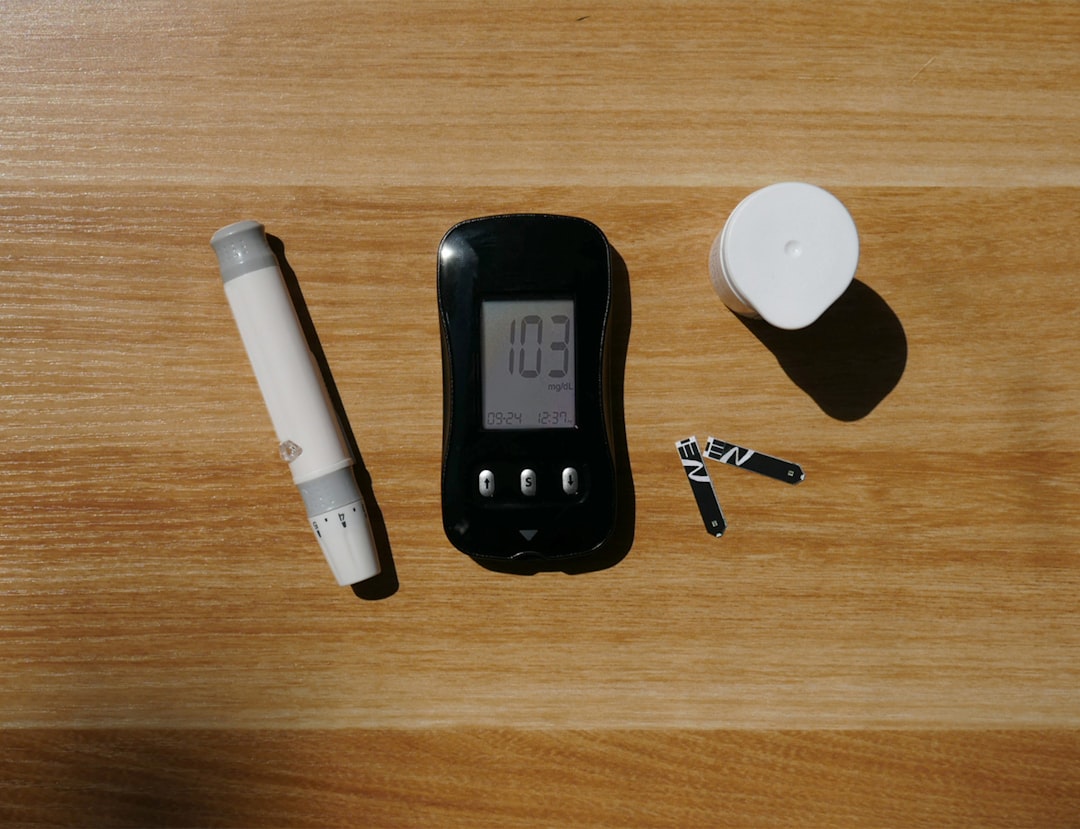
The connection between diabetes and heart disease is profound: cardiovascular disease is the leading cause of death in people with diabetes, responsible for roughly half of all diabetes-related deaths. Understanding this connection — and acting on it — can save your life.
How Diabetes Damages the Cardiovascular System
Diabetes affects the heart and blood vessels through several interconnected mechanisms. It is not a single pathway but rather a cascade of damage that compounds over time.
Endothelial Damage
The endothelium is the thin layer of cells lining every blood vessel in your body. Chronically elevated blood sugar directly damages these cells, reducing their ability to produce nitric oxide — a molecule critical for keeping blood vessels flexible and dilated. Stiff, damaged blood vessels cannot respond properly to the body’s demands.
Accelerated Atherosclerosis
Atherosclerosis — the buildup of fatty plaques inside artery walls — happens in everyone to some degree with age. In people with diabetes, this process is dramatically accelerated. High blood sugar, insulin resistance, and chronic inflammation create an environment where plaques form faster, grow larger, and are more prone to rupture. When a plaque ruptures, it can trigger a blood clot that causes a heart attack or stroke.
Dyslipidemia
Diabetes typically causes a characteristic pattern of abnormal cholesterol called diabetic dyslipidemia:
- Elevated triglycerides
- Low HDL (“good”) cholesterol
- Small, dense LDL particles that are particularly effective at penetrating artery walls
Even when total LDL cholesterol appears normal on a standard test, the small, dense LDL particles common in diabetes are more atherogenic — more likely to contribute to plaque buildup.
Hypertension
About two-thirds of adults with diabetes also have high blood pressure. Insulin resistance increases sodium retention and activates the sympathetic nervous system, both of which raise blood pressure. High blood pressure further damages blood vessel walls and increases the workload on the heart.
The Numbers: Diabetes and Heart Disease Risk
According to the CDC, the cardiovascular risks associated with diabetes are substantial:
| Risk Factor | Impact of Diabetes |
|---|---|
| Heart attack risk | 2-4x higher than without diabetes |
| Stroke risk | 1.5-2x higher |
| Heart failure risk | 2-5x higher |
| Peripheral artery disease | 4x more common |
| Cardiovascular death | Accounts for ~50% of diabetes deaths |
| Risk begins elevating | In the prediabetic range (A1C 5.7%+) |
Critically, cardiovascular risk does not begin at the diabetes threshold. It starts rising in the prediabetic range. A large meta-analysis published in The Lancet found that fasting glucose levels in the prediabetic range were associated with increased vascular risk, even before a formal diabetes diagnosis.
Risk Reduction: Blood Sugar Control
Maintaining good blood sugar control reduces the risk of microvascular complications (eye, kidney, and nerve damage) and contributes to cardiovascular protection, especially over the long term. The A1C target for most adults with diabetes is below 7%, though your doctor may set a different goal based on your individual circumstances.
For people with prediabetes, the Diabetes Prevention Program showed that lifestyle interventions reducing A1C from the prediabetic range to normal levels also reduced cardiovascular risk markers including blood pressure, triglycerides, and inflammatory markers.
Risk Reduction: Cholesterol Management and Statins
Statin therapy is one of the most evidence-backed interventions for reducing cardiovascular risk in people with diabetes. The American Diabetes Association recommends:
- Ages 40-75 without additional risk factors: Moderate-intensity statin therapy
- Ages 40-75 with additional risk factors: High-intensity statin therapy
- Under 40 or over 75: Individualized decision based on risk assessment
Beyond statins, lifestyle changes that improve cholesterol include increasing fiber intake, choosing healthy fats over saturated and trans fats, regular exercise, and maintaining a healthy weight.
Risk Reduction: Blood Pressure Control
For most people with diabetes, a blood pressure target of less than 130/80 mmHg is recommended. Achieving this target can reduce the risk of cardiovascular events by 25-30%. Strategies include:
- Dietary changes: The DASH diet (Dietary Approaches to Stop Hypertension) is particularly effective. It emphasizes fruits, vegetables, whole grains, and low-fat dairy while limiting sodium.
- Sodium reduction: Aim for less than 2,300 mg per day, and ideally below 1,500 mg if you have hypertension.
- Medications: ACE inhibitors and ARBs are often first-choice blood pressure medications for people with diabetes because they also provide kidney protection.
- Regular monitoring: Home blood pressure monitoring helps you and your doctor track trends and adjust treatment.
Risk Reduction: Exercise
Regular physical activity reduces cardiovascular risk through multiple pathways: it improves insulin sensitivity, lowers blood pressure, improves cholesterol, reduces inflammation, and helps with weight management. The benefits of exercise go beyond what any single medication can provide.
Current guidelines recommend:
- At least 150 minutes per week of moderate-intensity aerobic exercise (brisk walking, cycling, swimming)
- Two to three sessions per week of resistance training
- Reducing prolonged sitting — even standing or walking for a few minutes each hour helps
If you have been sedentary, start slowly and build up gradually. Even 10-minute walks after meals have been shown to improve blood sugar and blood pressure. Learn more about treatment approaches that combine exercise with other interventions.
Risk Reduction: Diet
A heart-healthy, blood-sugar-friendly diet is a cornerstone of cardiovascular risk reduction. Key principles include:
- Emphasize whole foods: Vegetables, fruits, whole grains, legumes, nuts, seeds, lean proteins, and fatty fish
- Limit processed foods: Refined carbohydrates, added sugars, and ultra-processed foods drive both blood sugar spikes and cardiovascular risk
- Choose healthy fats: Olive oil, avocado, nuts, and fatty fish (omega-3s) over butter, lard, and fried foods
- Watch sodium: Processed and restaurant foods are the primary sources of excess sodium
- Moderate alcohol: If you drink, limit to one drink per day for women and two for men
The Mediterranean diet has particularly strong evidence for cardiovascular protection in people with diabetes. A diet rich in protective foods can meaningfully lower your cardiovascular risk.
Newer Medications with Cardiovascular Benefits
Several newer classes of diabetes medications have demonstrated significant cardiovascular benefits in clinical trials:
- GLP-1 receptor agonists (semaglutide, liraglutide, dulaglutide): Reduce the risk of major cardiovascular events by 12-14% in addition to lowering blood sugar and promoting weight loss.
- SGLT2 inhibitors (empagliflozin, dapagliflozin, canagliflozin): Reduce heart failure hospitalizations by approximately 30% and also protect kidney function.
If you have diabetes and established cardiovascular disease — or are at high cardiovascular risk — ask your doctor whether one of these medication classes might be appropriate for you.
Recognizing Warning Signs
People with diabetes should be aware that heart attack symptoms can sometimes be atypical. Diabetic neuropathy can dampen chest pain, leading to so-called “silent” heart attacks. Be alert for:
- Unexplained shortness of breath
- Unusual fatigue
- Nausea or indigestion
- Pain in the jaw, neck, back, or arm
- Dizziness or lightheadedness
If you experience any of these symptoms, especially in combination, seek medical attention immediately.
The Bottom Line
The connection between diabetes and heart disease is one of the most important things you can understand about your health. Cardiovascular disease is the leading killer of people with diabetes, but much of that risk is modifiable. A comprehensive approach — controlling blood sugar, managing blood pressure and cholesterol, exercising regularly, eating well, and taking appropriate medications — can dramatically reduce your cardiovascular risk. Talk to your doctor about a complete cardiovascular risk assessment and a personalized plan to protect your heart.