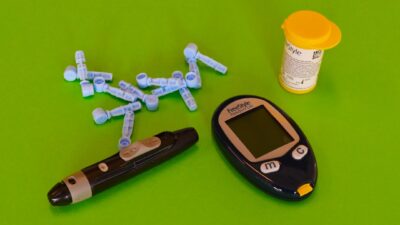
Dry skin (xerosis) affects approximately 75% of adults with diabetes — particularly the legs and feet. Multiple factors contribute: diabetic autonomic neuropathy reducing sweating in lower extremities, hyperglycemia producing relative skin dehydration through osmotic diuresis, reduced sebum production with age, harsh soaps and hot water further drying skin, and various medications causing dry skin. The clinical importance extends beyond comfort — cracks in dry skin allow bacteria entry to deeper tissues, and adults with diabetes face elevated risk of cellulitis, abscess, and more severe infections (including necrotizing fasciitis) due to impaired immune function and reduced wound healing. Foot cracks are particularly dangerous given the existing complications of diabetic foot disease. Daily moisturizing with appropriate products prevents most complications. Effective ingredients include ceramides, urea, glycerin, hyaluronic acid, and petrolatum. Avoid fragrances, alcohol, harsh soaps, and products with high pH.
Why Skin Becomes Dry in Diabetes
- Autonomic neuropathy reduces sweating in feet and legs.
- Hyperglycemia and osmotic diuresis cause relative dehydration.
- Reduced sebum production (worsens with age).
- Harsh soaps and hot water strip natural oils.
- Medications (statins, diuretics, antihistamines) cause dry skin.
- Reduced peripheral circulation affects skin nutrition.
- Aging skin barrier function declines.
- Heating in winter and air conditioning in summer dry skin.
Moisturizer Ingredient Guide
| Ingredient | Function | Found in |
|---|---|---|
| Ceramides | Replace skin barrier lipids | CeraVe, Cetaphil Restoraderm |
| Urea 10-20% | Humectant + keratolytic | Eucerin, Carmol, Kerasal |
| Glycerin | Humectant | Most moisturizers |
| Hyaluronic acid | Hydration | Premium moisturizers |
| Petrolatum (Vaseline) | Occlusive barrier | Aquaphor, basic Vaseline |
| Lanolin | Emollient | Some hand creams |
| Lactic acid 10-12% | Humectant + keratolytic | AmLactin, Lac-Hydrin |
Daily Skincare Routine
- Shower or bathe with lukewarm (not hot) water.
- Limit shower time to 5-10 minutes.
- Use mild non-soap cleanser (Cetaphil, CeraVe wash, Vanicream).
- Pat dry rather than rubbing.
- Apply moisturizer within 3 minutes of toweling off — locks in moisture.
- Apply thoroughly to all dry areas, especially legs and feet.
- Avoid between toes (excess moisture causes fungal infection).
- Use thicker products at night, thinner during day.
- Reapply during day as needed.
Foot-Specific Care
- Daily moisturizing with urea-based cream (10-20% — Carmol, Kerasal).
- Avoid between toes — keep dry there.
- Cover with cotton socks after applying for better absorption (overnight optional).
- Inspect feet daily for cracks, cuts, color changes.
- Address cracks promptly — apply petrolatum-based occlusive ointment over moisturizer.
- Avoid going barefoot.
- See podiatrist for severe heel cracks or any signs of infection.
What to Avoid
- Fragrance — common irritant.
- Alcohol-based products — drying.
- Harsh sulfates (sodium lauryl sulfate) in soap.
- Hot water showers/baths.
- Long showers (over 10 minutes).
- Vigorous towel rubbing.
- Antibacterial soaps for routine use.
- Products with high pH.
- Going barefoot on hard surfaces.
When to See a Professional
- Cracks not improving with moisturizer.
- Signs of infection (redness, warmth, drainage, fever).
- Severe itching despite moisturizing.
- Skin breakdown or ulceration.
- Persistent rash or scaling.
- For adults with diabetes, prompt evaluation prevents progression.
The Bottom Line
Dry skin (xerosis) affects approximately 75% of adults with diabetes — particularly the legs and feet. Causes include diabetic autonomic neuropathy reducing sweating, hyperglycemia producing relative dehydration, reduced sebum with age, harsh soaps and hot water, multiple medications, and reduced peripheral circulation. The diabetes-specific concern is that cracks in dry skin allow bacteria entry, leading to cellulitis, abscess, and potentially more severe infections — particularly in feet where diabetic foot disease already increases risk. Daily moisturizing with appropriate products prevents most complications. Effective ingredients include ceramides (CeraVe, Cetaphil Restoraderm), urea 10-20% (Carmol, Kerasal — particularly for feet), glycerin, hyaluronic acid, and petrolatum (Aquaphor). Avoid fragrance, alcohol, harsh sulfates, and products with high pH. Daily routine: shower with lukewarm water, limit to 5-10 minutes, mild non-soap cleansers, pat dry, apply moisturizer within 3 minutes, avoid between toes, and inspect feet daily for cracks. For adults with type 2 diabetes managing skin health, daily moisturizing is a small habit with outsized impact on preventing serious infections. See our broader fungal skin infections and diabetes guide for related context.