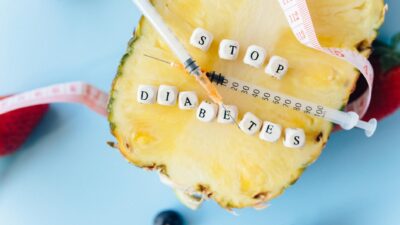
Nonalcoholic fatty liver disease (NAFLD), now formally renamed MASLD (metabolic dysfunction-associated steatotic liver disease), affects roughly 55 to 75 percent of adults with type 2 diabetes. The two conditions share insulin resistance as their root cause, so they amplify each other — fatty liver worsens glucose control, and high blood sugar accelerates liver damage. Screening with the FIB-4 score is now recommended in everyone with type 2 diabetes, and 7 to 10 percent weight loss combined with Mediterranean eating remains the most effective treatment.
What Is NAFLD and Why Is It Now Called MASLD?
NAFLD is the buildup of excess fat in the liver of people who drink little or no alcohol. It has historically been split into two stages: simple steatosis (fat only) and nonalcoholic steatohepatitis or NASH (fat plus inflammation and liver-cell ballooning). NASH is the form that can progress to fibrosis, cirrhosis, and hepatocellular carcinoma.
In 2023, an international panel led by AASLD and EASL renamed the condition MASLD (metabolic dysfunction-associated steatotic liver disease) to emphasize the metabolic root cause. NASH was renamed MASH. Most clinicians and patients still use NAFLD and NASH interchangeably while the new terms enter circulation.
How Common Is Fatty Liver in Diabetes?
NAFLD is the most common chronic liver disease worldwide and is dramatically more common in people with diabetes than in the general population.
| Population | NAFLD Prevalence |
|---|---|
| General adult population | ~25 to 30% |
| Adults with type 2 diabetes | ~55 to 75% |
| Adults with type 2 diabetes plus obesity | up to 90% |
| Adults with type 2 diabetes and elevated ALT | ~80% |
| Adults with type 1 diabetes | ~5 to 20% (mostly with concurrent obesity) |
Roughly 20 to 30 percent of people with NAFLD progress to NASH, and of those, roughly 20 percent develop cirrhosis over 15 to 20 years. NASH is now the leading cause of liver transplantation in women in the United States and is rapidly approaching the top spot overall.
How Diabetes and Fatty Liver Drive Each Other
The link between fatty liver and diabetes is biological, not coincidental. Both stem from insulin resistance, and each worsens the other.
- Insulin resistance in adipose tissue releases more free fatty acids into the bloodstream, which the liver then absorbs.
- Hyperinsulinemia drives de novo lipogenesis — the liver makes more new fat from carbohydrates.
- Impaired fatty-acid oxidation means the liver burns less fat than it accumulates.
- Lipotoxicity from accumulated triglycerides triggers inflammation and oxidative stress, driving NASH.
- Hepatic insulin resistance in turn raises fasting glucose and worsens type 2 diabetes.
Epidemiology supports the bidirectional model: people with NAFLD have roughly twice the risk of developing type 2 diabetes over the next 5 to 10 years, even after adjusting for BMI.
Risk Factors That Stack the Deck
| Risk Factor | Why It Matters |
|---|---|
| Type 2 diabetes | Insulin resistance directly drives hepatic fat |
| Obesity (BMI ≥ 30) | ~80 to 90% of obese adults have NAFLD |
| Central (visceral) fat | Strongest body-composition predictor |
| High triglycerides, low HDL | Atherogenic dyslipidemia tracks with liver fat |
| Metabolic syndrome | Each component independently raises NAFLD risk |
| Polycystic ovary syndrome (PCOS) | Insulin resistance overlap |
| Sleep apnea | Intermittent hypoxia worsens steatosis |
| Sugar-sweetened beverages and fructose | Promote de novo lipogenesis |
| Hispanic ancestry (PNPLA3 variant) | Higher genetic susceptibility |
| Sarcopenia | Low muscle mass amplifies insulin resistance |
Symptoms — Or Lack Thereof
NAFLD is largely asymptomatic until late stages. When symptoms appear, they may include:
- Persistent fatigue
- Right upper quadrant fullness or mild discomfort
- Enlarged liver on exam (hepatomegaly)
- Mildly elevated ALT or AST on routine labs
- Advanced disease: jaundice, ascites, easy bruising, confusion (encephalopathy)
Because most cases are silent for years, screening rather than symptom-based diagnosis is now the standard for people with diabetes.
How NAFLD Is Diagnosed
| Test | Role |
|---|---|
| ALT and AST | Often elevated; ALT typically higher than AST in NAFLD |
| FIB-4 score | First-line non-invasive fibrosis estimate (age, AST, ALT, platelets) |
| NAFLD Fibrosis Score (NFS) | Alternative composite score |
| Abdominal ultrasound | Detects fatty infiltration; widely available |
| FibroScan (transient elastography) | Measures liver stiffness; estimates fibrosis |
| MR elastography | Most accurate non-invasive fibrosis test |
| Liver biopsy | Historical gold standard; now reserved for unclear cases |
The American Diabetes Association recommends FIB-4 screening in all adults with type 2 diabetes or prediabetes plus risk factors, with FibroScan for indeterminate or elevated results.
Screening Recommendations from Major Guidelines
- ADA Standards of Care 2024: Calculate FIB-4 annually in adults with type 2 diabetes; refer for FibroScan if FIB-4 ≥ 1.3.
- AASLD 2023: Risk-stratify all adults with type 2 diabetes, obesity, or two or more cardiometabolic risk factors.
- AACE/ACE 2022: Endorses non-invasive screening pathway starting with FIB-4.
- European Clinical Care Pathway (Tsochatzis 2022): Similar stepwise approach with FIB-4 then elastography.
Treatment — Lifestyle First
Weight loss is the single most powerful intervention. Hepatology guidelines reference these targets:
| Weight Loss | Expected Liver Effect |
|---|---|
| 3 to 5% | Reduces hepatic steatosis |
| 7 to 10% | Improves NASH inflammation |
| ≥10% | May regress fibrosis |
Dietary patterns with the strongest evidence include the Mediterranean diet (high in olive oil, vegetables, fatty fish, nuts, legumes), low-carb or ketogenic eating, and intermittent fasting. Aerobic exercise plus resistance training, even without weight loss, reduces liver fat.
Medications That May Help
- Resmetirom (Rezdiffra) — first FDA-approved drug for noncirrhotic NASH with stage F2 to F3 fibrosis (approved 2024). A thyroid hormone receptor-beta agonist.
- Pioglitazone — insulin sensitizer; reduces steatosis and inflammation in people with type 2 diabetes and biopsy-proven NASH (off-label but referenced in guidelines).
- GLP-1 receptor agonists — semaglutide has trial data showing NASH resolution; tirzepatide trials ongoing.
- SGLT2 inhibitors — emerging data for reductions in liver fat.
- Vitamin E (800 IU/day) — approved for non-diabetic adults with biopsy-proven NASH; cautious in diabetes.
- Bariatric surgery — produces the most durable improvements when BMI ≥ 35 and lifestyle has failed.
Talk to a hepatologist or endocrinologist before starting any drug aimed at NAFLD — decisions depend on biopsy findings, fibrosis stage, and concurrent diabetes therapy.
Why Every Person with Diabetes Should Know About NAFLD
Beyond liver disease itself, NAFLD raises cardiovascular risk independently of diabetes. People with NAFLD die more often from heart disease than from cirrhosis, which is why aggressive management of all metabolic factors — blood pressure, lipids, glucose — matters as much as liver-specific care. See our overview of complications and related conditions for the broader picture, and explore whether the underlying metabolic dysfunction is still reversible in our guide to reversibility.
Related Reading
For deep dives on the rest of the cluster, see NASH and diabetes, the fatty liver and diabetes diet, and whether diabetes can cause fatty liver. The full 2024 NIDDK overview is available at NIDDK, and AASLD’s 2023 practice guidance is available at AASLD.
The Bottom Line
NAFLD (now MASLD) affects most adults with type 2 diabetes, and the two conditions feed each other through shared insulin resistance. The disease is usually silent until fibrosis is well-established, which is why FIB-4 screening is now standard at type 2 diabetes diagnosis. The biggest wins still come from 7 to 10 percent weight loss, Mediterranean eating, and consistent activity; medications including resmetirom, pioglitazone, and GLP-1 receptor agonists add real benefit when lifestyle is not enough. Anyone with diabetes and elevated liver enzymes, central obesity, or a FIB-4 score above 1.3 should talk to a clinician about further evaluation.