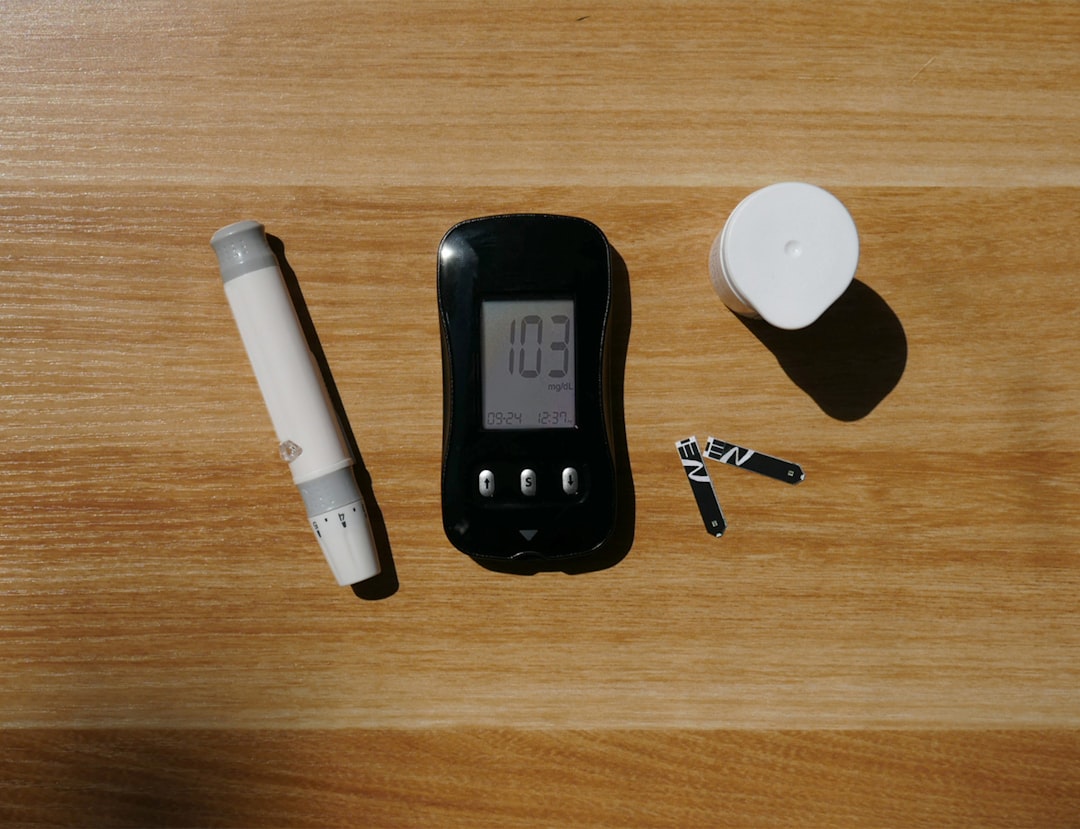
Polycystic ovary syndrome (PCOS) and diabetes are closely connected through a shared mechanism: insulin resistance. If you have PCOS, your risk of developing type 2 diabetes is two to four times higher than someone without the condition, making early awareness and prevention critical.
Why PCOS and Diabetes Are Linked
PCOS affects roughly 6-12% of women of reproductive age in the United States, according to the CDC. While it is often thought of as a reproductive condition, PCOS is fundamentally a metabolic disorder. The same insulin resistance that drives PCOS symptoms also sets the stage for prediabetes and type 2 diabetes.
When your body becomes resistant to insulin, your pancreas produces more insulin to compensate. This excess insulin — called hyperinsulinemia — triggers the ovaries to produce too many androgens (male hormones like testosterone). Those elevated androgens cause the hallmark PCOS symptoms: irregular periods, acne, excess hair growth, and difficulty with ovulation.
At the same time, insulin resistance means your cells cannot efficiently absorb glucose from the blood. Over time, blood sugar levels rise, progressing from normal to prediabetes and eventually to type 2 diabetes if left unmanaged.
Insulin Resistance: The Shared Root Cause
Insulin resistance is present in an estimated 50-70% of women with PCOS, regardless of body weight. This is a crucial point — even lean women with PCOS can have significant insulin resistance and elevated diabetes risk.
Here is how insulin resistance drives both conditions simultaneously:
- In PCOS: Excess insulin stimulates ovarian androgen production, disrupts follicle development, and interferes with ovulation.
- In prediabetes/diabetes: Cells fail to respond to insulin properly, causing blood sugar to accumulate in the bloodstream.
- In both: Chronic inflammation increases, fat storage shifts toward the abdomen, and cardiovascular risk rises.
This overlap explains why treating insulin resistance — through lifestyle changes, medication, or both — can improve symptoms of PCOS and reduce diabetes risk at the same time.
How Much Does PCOS Increase Diabetes Risk?
Research consistently shows that PCOS substantially raises the risk of glucose abnormalities. According to a meta-analysis published in Human Reproduction Update, women with PCOS face:
| Condition | Risk Increase with PCOS | General Population Prevalence |
|---|---|---|
| Impaired glucose tolerance | 2.5x higher | ~8% |
| Type 2 diabetes | 2-4x higher | ~11% |
| Metabolic syndrome | 2-3x higher | ~23% |
| Gestational diabetes | 2.5-3x higher | ~6-9% |
These risks increase further with additional factors like obesity, family history of diabetes, and age. Women with PCOS who are overweight may develop type 2 diabetes up to four times faster than those who maintain a healthy weight.
Recognizing the Warning Signs
Because PCOS and prediabetes can overlap so significantly, you may not notice blood sugar problems until they are well advanced. Watch for these warning signs that your blood sugar may be rising:
- Increased thirst or frequent urination
- Unusual fatigue beyond your baseline
- Darkened skin patches (acanthosis nigricans), especially on the neck, armpits, or groin
- Worsening PCOS symptoms despite treatment
- Unexplained weight gain, particularly around the abdomen
Acanthosis nigricans — those velvety, darkened patches of skin — is a particularly telling sign. It directly reflects high insulin levels and is common in women with both PCOS and insulin resistance. If you notice these patches, talk to your doctor about checking your A1C levels.
Metformin: Treating Both Conditions at Once
Metformin is one of the most commonly prescribed medications for both PCOS and type 2 diabetes, and for good reason — it targets their shared mechanism.
How Metformin Works
Metformin reduces the amount of glucose your liver releases into the bloodstream and improves your cells’ sensitivity to insulin. For women with PCOS, this means:
- Lower circulating insulin levels, which reduces ovarian androgen production
- More regular menstrual cycles in many women
- Improved ovulation rates
- Modest weight loss (or easier weight management)
- Lower fasting blood sugar and A1C levels
What to Expect
Metformin is not a quick fix. Most women notice improvements in menstrual regularity within three to six months. Blood sugar benefits may appear sooner, typically within a few weeks. Common side effects include nausea and digestive upset, which usually improve with time and can be minimized by starting at a low dose.
Your doctor may prescribe metformin if you have PCOS with confirmed insulin resistance, prediabetes, or difficulty managing weight. It is also used alongside fertility treatments in some cases.
Weight Management Strategies for PCOS and Diabetes Prevention
Losing weight with PCOS can feel frustrating because insulin resistance and hormonal imbalances make it harder than average. However, even modest weight loss — 5-10% of body weight — has been shown to:
- Improve insulin sensitivity by 30-50%
- Reduce testosterone levels
- Restore ovulatory cycles in many women
- Lower the risk of progressing from prediabetes to diabetes
Dietary Approaches That Work
No single diet is universally best for PCOS, but research supports these principles:
- Focus on low-glycemic foods: Choose whole grains, legumes, non-starchy vegetables, and lean proteins. These help stabilize blood sugar and reduce insulin spikes.
- Prioritize protein and healthy fats: Including protein or fat at every meal slows carbohydrate absorption.
- Reduce refined carbohydrates: White bread, sugary drinks, and processed snacks drive insulin surges.
- Consider anti-inflammatory foods: Fatty fish, berries, leafy greens, and turmeric may help address chronic inflammation common in PCOS.
A prediabetes-friendly diet and a PCOS-friendly diet overlap substantially, so the same eating pattern can address both concerns.
Exercise Recommendations
Regular physical activity improves insulin sensitivity independently of weight loss. Aim for at least 150 minutes per week of moderate-intensity exercise. A mix of aerobic exercise (walking, cycling, swimming) and resistance training (weights, bodyweight exercises) appears to be most effective for PCOS.
Resistance training is particularly valuable because building lean muscle mass improves your body’s ability to use glucose, reducing insulin resistance over time.
Fertility Implications
If you have PCOS and are planning a pregnancy, managing insulin resistance becomes even more important. Uncontrolled blood sugar at conception and during early pregnancy is associated with:
- Higher risk of miscarriage
- Increased chance of gestational diabetes
- Greater risk of preeclampsia
- Higher birth weight and potential complications for the baby
Working with your doctor to optimize your A1C before conception can significantly improve outcomes. An A1C below 6.0% is generally recommended before trying to conceive, and ideally below 5.7% to minimize risks.
Metformin is sometimes continued during early pregnancy in women with PCOS, though this decision should be made with your healthcare provider. Other fertility treatments, such as letrozole or clomiphene, may also be used alongside metabolic management.
Screening Recommendations for Women with PCOS
Because of the elevated diabetes risk, the American Diabetes Association recommends that women with PCOS be screened for glucose abnormalities regularly:
- At diagnosis of PCOS: Baseline A1C or oral glucose tolerance test (OGTT)
- Every 1-3 years: Repeat screening, with frequency based on risk factors
- Before pregnancy: A1C and fasting glucose to establish baseline
- During pregnancy: Early screening for gestational diabetes (often at 12-16 weeks rather than the usual 24-28 weeks)
The OGTT may be preferred over A1C alone in women with PCOS, as it can detect impaired glucose tolerance that A1C sometimes misses.
Beyond Blood Sugar: Cardiovascular Risk
The connection between PCOS and diabetes extends to heart health. Women with PCOS are more likely to have high blood pressure, elevated LDL cholesterol, low HDL cholesterol, and high triglycerides — all of which compound cardiovascular risk. Managing insulin resistance through lifestyle changes and medication helps address these overlapping risks.
Ask your doctor to check your lipid panel and blood pressure regularly, especially if you have additional risk factors like a family history of heart disease.
The Bottom Line
PCOS and diabetes are deeply connected through insulin resistance, and having PCOS puts you at two to four times greater risk for type 2 diabetes. The good news is that the same strategies — healthy eating, regular exercise, modest weight loss, and medications like metformin when appropriate — can improve both conditions simultaneously. If you have PCOS, talk to your doctor about regular diabetes screening and a proactive plan to protect your metabolic health.