What helps neuropathy the most is a layered approach — tight glucose control to stop progression, FDA-approved pain medications (pregabalin, duloxetine, tapentadol) for symptom relief, topical capsaicin or lidocaine for localized burning, alpha-lipoic acid 600 mg daily as a supplement add-on, regular exercise and foot care, and prompt treatment of B12 deficiency if present. No single approach is enough for most patients; the combination is what works.
The Single Biggest Lever: Glucose Control
The DCCT and UKPDS trials established that intensive glucose control reduces new neuropathy development by about 60 percent in type 1 diabetes and 25 to 35 percent in type 2. Practical targets:
- A1C under 7 percent for most adults (your clinician may individualize)
- Time-in-range (CGM) above 70 percent (70–180 mg/dL)
- Glucose variability (coefficient of variation) under 36 percent
- Pre-meal fasting glucose 80–130 mg/dL
- Post-meal 2-hour glucose under 180 mg/dL
FDA-Approved Medications for Diabetic Neuropathic Pain
| Medication | Typical Dose | Best For | Main Side Effects |
|---|---|---|---|
| Pregabalin (Lyrica) | 75–300 mg 2×/day | Widely used first-line | Drowsiness, dizziness, weight gain, edema |
| Duloxetine (Cymbalta) | 60 mg/day | Pain + coexisting depression | Nausea, dry mouth, liver effects |
| Tapentadol ER (Nucynta ER) | 50–250 mg 2×/day | Moderate-severe pain not responding to first-line | Constipation, nausea, opioid concerns |
Common Off-Label Medications
- Gabapentin: 300 to 3,600 mg daily divided; effective, cheap, generic
- Amitriptyline: 10 to 100 mg at bedtime; anticholinergic side effects limit use in older adults
- Nortriptyline: 10 to 75 mg at bedtime; fewer anticholinergic effects than amitriptyline
- Venlafaxine (Effexor XR): 75 to 225 mg daily; SNRI alternative to duloxetine
Topical Treatments
- Capsaicin 0.025–0.075% cream: OTC; apply 3 to 4 times daily; effect builds over weeks
- Capsaicin 8% patch (Qutenza): prescription; clinic-applied every 3 months; 12 weeks of relief
- Lidocaine 4% patch: OTC; 12 hours on, 12 off; immediate numbing
- Lidocaine 5% patch (Lidoderm): prescription strength
Supplements With Evidence
| Supplement | Typical Dose | Evidence | Notes |
|---|---|---|---|
| Alpha-lipoic acid | 600 mg/day | Multiple RCTs | Best-evidenced natural option |
| B12 (if deficient) | 500–2,000 μg/day | Strong if deficient | Check level if on metformin >1 year |
| Benfotiamine (fat-soluble B1) | 300–600 mg/day | Small-moderate evidence | Popular in Europe for diabetic neuropathy |
| Acetyl-L-carnitine | 1–3 g/day | Modest evidence | May improve nerve conduction |
| Magnesium | 300–400 mg/day | Correlational | Particularly if deficient |
| Vitamin D | 1,000–2,000 IU/day if low | Weak-moderate | Supplementation if 25-OH-D <30 ng/mL |
| Omega-3 fatty acids | 2–4 g EPA+DHA/day | Mixed | Some evidence for nerve protection |
| Curcumin (turmeric) | 500–1,000 mg/day | Weak | Small trials only |
Exercise and Physical Therapy
Regular exercise improves nerve conduction, reduces pain, and prevents falls.
- Aerobic: 150 minutes per week of moderate walking, cycling, or swimming
- Resistance training: 2 to 3 sessions per week; maintains muscle mass and supports foot function
- Balance training: reduces fall risk by 30 to 40 percent in older adults with neuropathy
- Tai chi or yoga: low-impact options that improve balance and flexibility
- Physical therapy referral: especially helpful if you have weakness or gait changes
Non-Drug Pain Therapies
- TENS units: $30 to $150; modest pain reduction for some patients
- Spinal cord stimulation: reserved for severe refractory pain
- Acupuncture: mixed evidence; some patients report benefit
- Cognitive behavioral therapy (CBT): improves pain coping
Daily Foot Care — Prevent the Worst Outcome
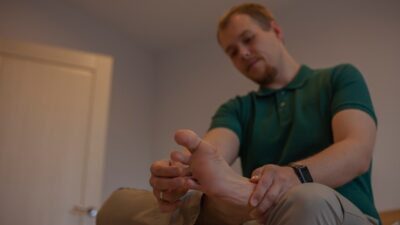
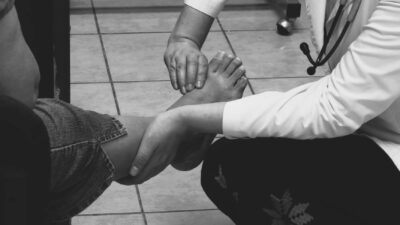
The most serious consequence of peripheral neuropathy is foot ulcer and amputation. Prevention habits:
- Inspect feet daily — use a hand mirror to see the soles
- Wash feet daily in lukewarm water; dry thoroughly between toes
- Moisturize top and bottom; not between toes (moisture encourages fungal infections)
- Trim nails straight across; see a podiatrist if nails are thick or painful
- Wear properly fitted shoes with a wide toe box
- Never walk barefoot, even indoors
- Check inside shoes for pebbles or rough seams before putting them on
- Annual or more frequent podiatry visits
- Any non-healing wound = same-day medical attention
When to Escalate
- Pain not controlled on OTC options after 2 to 4 weeks — see primary care for prescription options
- Weakness or unsteady gait — request physical therapy or podiatry referral
- Any foot wound — same-day evaluation
- Sudden worsening — rule out alternative causes (B12 deficiency, thyroid issues, vasculitis)
- Sleep disrupted by pain — consider bedtime amitriptyline, CGM to rule out overnight hypoglycemia, or sleep medicine consultation
Related Reading
See our guides on diabetic neuropathy treatments, neuropathy creams, and supplements for neuropathy.
The Bottom Line
What helps neuropathy is a layered plan — glucose control first, pain management second, foot care always. For glucose, an A1C under 7 percent cuts progression dramatically. For pain, pregabalin, duloxetine, and tapentadol are the FDA-approved options; topical capsaicin and lidocaine help localized symptoms. Alpha-lipoic acid 600 mg daily is the best supplement; B12 replacement matters if deficient. Exercise and daily foot inspection round out the plan. No single intervention works for every patient; the combination, individualized with your clinician, is what turns neuropathy from progressive to manageable.