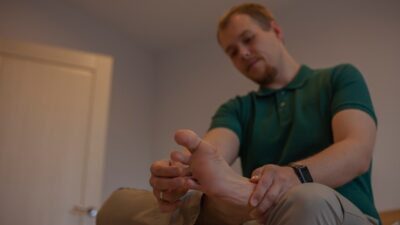
Diabetic neuropathy treatment has two parallel goals: stopping further nerve damage and relieving symptoms. The first depends on tight glucose, blood pressure, and lipid control plus not smoking. The second uses FDA-approved medications (pregabalin, duloxetine, tapentadol ER), off-label agents (gabapentin, tricyclic antidepressants, SNRIs), topical treatments (capsaicin, lidocaine), and non-drug approaches (TENS, exercise, physical therapy). Daily foot care prevents the most serious complication — ulcers and amputation — and is non-negotiable.
Track 1: Stop Further Damage
These interventions have the strongest evidence for preventing progression:
| Intervention | Target | Why It Matters |
|---|---|---|
| Glucose control | A1C under 7% for most adults | Cuts neuropathy progression 60% in type 1 diabetes |
| Blood pressure control | Under 130/80 mmHg | Protects microvessels supplying nerves |
| Lipid management | LDL at target for your ASCVD risk | Reduces vascular inflammation |
| Smoking cessation | Zero tobacco | Smoking directly damages nerves and vessels |
| Alcohol moderation | Up to 1-2 standard drinks per day | Heavy alcohol is directly neurotoxic |
| B12 replacement if deficient | In normal range | Long-term metformin depletes B12 |
| Weight management | 5 to 10% loss if overweight | Improves insulin sensitivity; reduces inflammation |
Track 2: Treat the Pain
FDA-Approved Medications for Diabetic Peripheral Neuropathic Pain
| Drug | Typical Dose | Best For | Main Side Effects |
|---|---|---|---|
| Pregabalin (Lyrica) | 75 to 300 mg twice daily | Neuropathic pain, widely used first-line | Drowsiness, dizziness, weight gain, edema |
| Duloxetine (Cymbalta) | 60 mg daily | Pain plus coexisting depression or anxiety | Nausea, dry mouth, drowsiness, liver effects |
| Tapentadol ER (Nucynta ER) | 50 to 250 mg twice daily | Moderate to severe pain not responding to first-line | Constipation, nausea, opioid-related concerns |
Common Off-Label Options
- Gabapentin (Neurontin): 300 to 3600 mg per day divided; effective, cheap, generic; similar side-effect profile to pregabalin
- Amitriptyline: 10 to 100 mg at bedtime; effective for nighttime pain; anticholinergic side effects limit use in older adults
- Nortriptyline: 10 to 75 mg at bedtime; fewer anticholinergic effects than amitriptyline
- Venlafaxine (Effexor XR): 75 to 225 mg daily; SNRI alternative to duloxetine
- Carbamazepine: occasionally used for electric-shock-type pain; not first-line for diabetic neuropathy
Topical Treatments
- Capsaicin 8% patch (Qutenza): prescription; single application every 3 months; applied in clinic
- Capsaicin cream 0.025 to 0.075%: OTC; 3 to 4 times daily; effect builds over weeks
- Lidocaine 5% patch (Lidoderm): prescription; 12 hours on, 12 off; best for localized pain
- Lidocaine 4% OTC: lower strength; same principle
Avoid as First-Line
- Opioids (except tapentadol ER which has unique dual mechanism) — limited long-term benefit, high risk of dependence, do not address underlying pathophysiology
- NSAIDs alone — generally not effective for neuropathic pain; carry cardiovascular, kidney, and GI risks in diabetes
Non-Drug Pain Therapies
- TENS units: modest pain reduction for some patients; affordable at-home option
- Spinal cord stimulation: reserved for refractory severe pain; surgically implanted
- Peripheral nerve stimulation: newer, targeted devices
- Physical therapy and occupational therapy: exercise program, balance training, fall prevention
- Cognitive behavioral therapy (CBT): improves pain coping and reduces catastrophizing
- Acupuncture: mixed evidence; some patients report benefit
Autonomic Neuropathy Treatment
| Autonomic Symptom | Treatment Approach |
|---|---|
| Orthostatic hypotension | Rise slowly; compression stockings; midodrine, fludrocortisone if needed |
| Gastroparesis | Smaller low-fat meals; metoclopramide, erythromycin; gastric pacing in severe cases |
| Neurogenic bladder | Scheduled voiding; alpha-blockers; intermittent catheterization if needed |
| Erectile dysfunction | PDE-5 inhibitors (sildenafil, tadalafil); vacuum devices; injectable therapy |
| Gustatory sweating | Topical glycopyrrolate; anticholinergics |
| Hypoglycemia unawareness | Relaxed glucose targets temporarily; CGM with low alerts |
| Resting tachycardia | Beta-blockers if no contraindications |
Preventing Foot Complications
The most dangerous consequence of peripheral neuropathy is the diabetic foot ulcer. Prevention:
- Daily foot inspection
- Daily lukewarm water wash, thorough drying especially between toes
- Moisturize top and sole; not between toes
- Straight-across nail trimming
- Proper-fitting shoes; never barefoot
- Annual or more frequent podiatrist visits
- Prompt evaluation of any non-healing wound
See our companion guides on foot neuropathy and diabetic neuropathy self-care.
Supplements With Evidence
- Alpha-lipoic acid (ALA) 600 mg/day: strongest evidence among supplements
- B12: strong evidence if deficient; modest otherwise
- Benfotiamine 300-600 mg/day: small-to-moderate evidence for diabetic neuropathy
- Acetyl-L-carnitine 1-3 g/day: modest evidence
See our supplements for neuropathy guide for more detail.
When Surgery Helps
- Decompression surgery for clear mechanical compression syndromes (carpal tunnel, tarsal tunnel)
- Spinal cord stimulator implantation for refractory severe pain
- Pancreas or islet cell transplantation for select type 1 patients — removes the underlying driver
- Amputation only as a last resort for non-salvageable infected limb
Red Flags That Change the Treatment Plan
- Rapid progression over weeks
- One-sided neuropathy
- Weakness disproportionate to sensory loss
- Autonomic symptoms dominating
- Rash, mouth ulcers, or other signs of vasculitis
- New severe pain that was not typical
These suggest an alternative diagnosis and need specialist evaluation.
Related Reading
For broader context, see our guides on diabetic neuropathy, diabetic peripheral neuropathy, and the treatment hub.
The Bottom Line
Diabetic neuropathy treatment combines two tracks: stopping further damage (glucose, blood pressure, lipids, no smoking) and treating symptoms (pregabalin, duloxetine, tapentadol as FDA-approved options; gabapentin, tricyclics, topical agents, TENS as alternatives). Autonomic neuropathy has symptom-specific treatments. Daily foot care is the single most important preventive measure. No single intervention works for every patient — the best plans are individualized, combine multiple approaches, and evolve with your response over time.