Foot neuropathy is nerve damage affecting the feet, causing numbness, tingling, burning, or sharp pains. Diabetes is the most common cause in adults, but B12 deficiency, alcohol, thyroid disease, chemotherapy, and nerve compression are also frequent culprits. Treatment focuses on finding and correcting the cause, relieving pain, and preventing foot ulcers through a daily foot-care routine.
What Foot Neuropathy Is
The feet are supplied by the longest nerves in the body, running from the lower spine down to the toes. Because these nerves travel the farthest and depend on the smallest blood vessels, they are the first to show damage from systemic metabolic problems. “Foot neuropathy” is shorthand for peripheral neuropathy affecting the feet — sensory, motor, or both.
Common Causes
| Cause | How It Damages Nerves | Notes |
|---|---|---|
| Diabetes and prediabetes | Chronic hyperglycemia damages nerve microvessels and mitochondria | Affects 30 to 50 percent of long-term diabetes patients |
| Vitamin B12 deficiency | B12 is required for myelin sheath maintenance | Common with long-term metformin use, vegetarian diets, or autoimmune atrophic gastritis |
| Alcohol use | Directly toxic to nerves; also causes B1 (thiamine) deficiency | Reversible in early stages if drinking stops |
| Chemotherapy | Platinum agents, taxanes, and vinca alkaloids injure sensory nerves | Often improves partially after treatment ends |
| Hypothyroidism | Slows nerve metabolism and causes myxedema compression | Resolves with thyroid replacement |
| Nerve compression (tarsal tunnel, lumbar radiculopathy) | Mechanical pressure on specific nerves | Often one-sided or in a specific nerve distribution |
| Autoimmune (Sjögren, lupus, vasculitis) | Immune attack on nerves or their blood supply | Usually has other systemic symptoms |
| Inherited (Charcot-Marie-Tooth) | Genetic defects in myelin or axon proteins | Family history, high arches, hammer toes |
Symptoms, in Order of Appearance
Diabetic and many other length-dependent neuropathies follow a predictable pattern:
- Toes first: tingling, pins and needles, or faint numbness in both great toes.
- Soles and forefoot: a sensation of walking on thick socks or cotton balls.
- Burning or shooting pain at rest, often worse at night.
- Balance issues because proprioception (joint position sense) is impaired.
- Motor weakness — intrinsic foot muscles weaken, producing hammer toes and high arches; late-stage foot drop is possible.
- Skin changes: dry, cracked skin due to impaired autonomic sweating; callus buildup on pressure points; in some cases, Charcot foot with swelling and deformity.
Why Loss of Sensation Is Dangerous
The most important consequence of foot neuropathy is loss of protective sensation. When you cannot feel a pebble in your shoe, a blister forming on your heel, or hot bathwater, small injuries can progress silently. The pathway to amputation usually runs:
- Unnoticed minor trauma (ill-fitting shoe, hot pavement, fresh callus)
- Skin breakdown into an ulcer
- Bacterial infection
- Deep tissue infection or osteomyelitis
- Gangrene requiring amputation
The CDC reports that diabetic foot ulcers precede 80 percent of non-traumatic lower-limb amputations. Prevention starts with daily inspection, not with advanced wound care. For broader complication context, see our guide on diabetic neuropathy and its sub-type, diabetic peripheral neuropathy.
How It Is Diagnosed
A bedside screening exam takes about five minutes and is recommended at every annual diabetes visit:
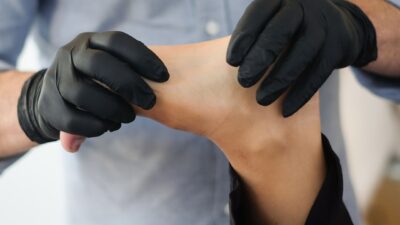
- 10 gram monofilament applied to 4 to 10 sites on each foot. Inability to feel the filament indicates loss of protective sensation.
- 128 Hz tuning fork on the bony prominence of the great toe for vibration sense.
- Ankle reflexes with a reflex hammer.
- Pinprick and temperature testing for small-fiber function.
- Visual inspection for calluses, ulcers, skin breakdown, deformity, and pulses.
Additional workup depends on the picture: complete blood count, comprehensive metabolic panel, A1C, TSH, B12, B1, folate, serum protein electrophoresis, and sometimes nerve conduction studies or electromyography for more unusual cases.
Treatment
Treat the Underlying Cause
- Bring A1C into target range if you have diabetes. See our pages on A1C levels and treatment options.
- Replace B12 if deficient (oral or injection).
- Stop alcohol and replace thiamine if alcohol use has been heavy.
- Correct hypothyroidism.
- Adjust chemotherapy if tolerable, or pause between cycles.
- Consider decompression surgery for clear mechanical compression syndromes.
Relieve Pain
FDA-approved options for diabetic peripheral neuropathic pain include pregabalin, duloxetine, and tapentadol. Gabapentin, amitriptyline, nortriptyline, venlafaxine, and topical capsaicin 8% patches or lidocaine 5% patches are also used. Opioids are generally avoided. Choice depends on kidney function, sleep, mood, and other medications.
Daily Foot-Care Routine
This is the single highest-yield habit for anyone with foot neuropathy:
- Inspect the tops, bottoms, and between the toes of both feet every day. Use a mirror or ask a family member if you cannot see the soles.
- Wash with lukewarm (not hot) water — check temperature with your elbow or a thermometer. Dry thoroughly, especially between toes.
- Moisturize tops and soles but not between the toes, where trapped moisture encourages fungal infection.
- Trim toenails straight across, not rounded; file sharp edges.
- Wear clean, moisture-wicking socks and well-fitted shoes that do not pinch.
- Never walk barefoot, even indoors.
- Shake shoes out before putting them on.
- See a podiatrist at least yearly — or every 3 to 6 months if sensation is impaired.
- Contact your doctor promptly for any non-healing sore, blister, redness, swelling, or change in shape of the foot.
Footwear That Helps
Well-fitting shoes with a deep toe box, firm heel counter, and soft inner lining reduce pressure and friction. Seamless, cushioned socks help further. People with severe deformity may qualify for custom-molded therapeutic shoes, which many insurers including Medicare cover once per year for patients with diabetes and loss of protective sensation.
When to See a Doctor Urgently
- A new foot ulcer, blister, or sore that is not healing in 48 to 72 hours
- Redness, warmth, red streaking, or pus around a wound
- Fever with any foot wound
- Sudden severe foot pain, swelling, or deformity (possible Charcot foot or deep infection)
- Rapidly worsening numbness or weakness
- Black or blue discoloration of a toe
These are emergencies; do not wait for the next scheduled appointment.
The Bottom Line
Foot neuropathy is the most common serious complication of long-term diabetes, but it has many other causes, several of which are reversible if caught early. The highest-yield actions are keeping blood sugar in target range, checking B12 if you are on metformin, inspecting your feet every single day, wearing proper footwear, and building a relationship with a podiatrist before problems develop. If you already have loss of sensation, treat every new cut, blister, or swelling as urgent — silent injuries are how amputations begin.