Diabetic peripheral neuropathy (DPN) is nerve damage affecting the sensory and motor nerves of the limbs in a symmetric, length-dependent “stocking and glove” pattern. It is the most common complication of long-standing diabetes, a major driver of foot ulcers and amputation, and one of the most treatable causes of chronic pain in diabetes care — if diagnosed early and addressed systematically.
Who Gets DPN, and Why
Roughly half of people with type 1 or type 2 diabetes develop some degree of DPN over a lifetime. Risk rises with:
- Longer duration of diabetes
- Higher average A1C levels
- Older age
- Uncontrolled blood pressure and LDL cholesterol
- Smoking
- Central obesity and features of the metabolic syndrome
The underlying mechanism is the same as in diabetic neuropathy more broadly: chronic hyperglycemia damages nerve microvessels, injures mitochondria, and triggers inflammatory and oxidative pathways that slowly destroy peripheral nerve fibers.
The Stocking-and-Glove Pattern
Because the longest nerves depend on the longest supply chains, damage starts at the toes and climbs upward. By the time symptoms reach mid-calf, the fingertips usually begin to show changes too — hence “stocking and glove.” The pattern is usually:
- Both great toes
- All toes and the forefoot
- Soles and heels
- Mid-calf
- Fingertips and hands
Symmetry is important: one-sided numbness, weakness restricted to a single nerve distribution, or rapid progression over days to weeks suggests something other than DPN and warrants urgent evaluation.
Small-Fiber vs Large-Fiber Involvement
Peripheral nerves carry different fiber sizes, and DPN can affect them differently:
| Fiber Type | What It Carries | Typical Symptoms When Damaged |
|---|---|---|
| Large sensory fibers | Vibration, proprioception, light touch | Numbness, balance problems, “walking on cotton” |
| Small sensory fibers (A-delta, C) | Pain, temperature, autonomic signals | Burning, stabbing, temperature misperception, dry skin |
| Motor fibers | Muscle control | Intrinsic foot-muscle wasting, hammer toes, late foot drop |
Small-fiber neuropathy often appears first and is harder to detect on routine exam — a normal monofilament test does not rule it out. If pain or temperature misperception is the dominant symptom, ask about quantitative sensory testing or skin biopsy.
Diagnostic Exam
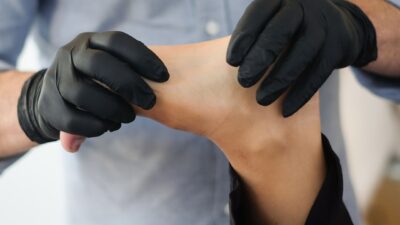
A 5-minute bedside screen includes:
- 10 gram monofilament at four to ten sites on each foot
- 128 Hz tuning fork on the great toe bony prominence
- Ankle reflexes with a reflex hammer
- Pinprick and temperature for small-fiber function
- Visual inspection of skin, nails, calluses, and deformity
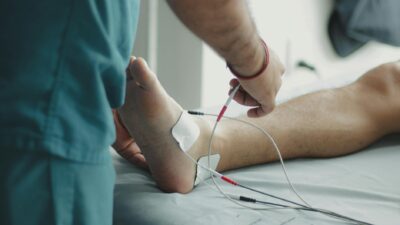
Supporting tests when diagnosis is uncertain: nerve conduction studies, electromyography, quantitative sensory testing, or skin biopsy for epidermal nerve fiber density. Blood work should include a CBC, CMP, A1C, TSH, B12, folate, serum protein electrophoresis, and an HIV or hepatitis panel where indicated — all look for reversible or competing causes.
Treatment Strategy
1. Modify the Driver
Tightening glucose, blood pressure, and lipid control does not reverse established nerve damage, but it reliably slows further injury. The Diabetes Control and Complications Trial and the UKPDS both showed that intensive glucose control lowers the risk of developing DPN by roughly 60 percent in type 1 and slows progression in type 2.
2. Treat the Pain
FDA-approved for diabetic peripheral neuropathic pain:
- Pregabalin (Lyrica) — 75 to 300 mg twice daily; adjust for kidney function
- Duloxetine (Cymbalta) — 60 mg daily; helpful when depression or anxiety coexist
- Tapentadol extended-release (Nucynta ER) — used less often due to opioid-related concerns
Common off-label options include gabapentin, amitriptyline, nortriptyline, venlafaxine, and topical capsaicin 8% patches or lidocaine 5% patches. Dose titration happens over weeks, and combination therapy is common. Your doctor will pick based on kidney function, drug interactions, and side-effect tolerance — do not self-titrate.
3. Protect the Feet
Loss of protective sensation is the single biggest predictor of future foot ulceration. Daily inspection, appropriate footwear, and regular podiatry are non-negotiable. Our companion guide on foot neuropathy covers the full daily routine.
4. Prevent Falls
Balance training, tai chi, and physical therapy reduce falls in patients with sensory loss. An occupational therapist can assess home hazards — loose rugs, poor lighting, slippery floors — and recommend handrails or grab bars.
Non-Pharmacologic Options
- Exercise: 150 minutes/week of aerobic activity plus resistance training
- Weight loss of 5 to 10 percent if overweight
- Mediterranean-pattern diet rich in olive oil, vegetables, legumes, fish
- Smoking cessation
- Alpha-lipoic acid 600 mg/day — mixed evidence but generally safe; ask your doctor
- Acetyl-L-carnitine — some trial evidence for symptom relief
- Transcutaneous electrical nerve stimulation (TENS) and spinal cord stimulation — options for medication-refractory pain
Red Flags That Are Not DPN
See your doctor promptly if you develop:
- Rapid progression over days to weeks
- One-sided numbness or weakness
- Weakness out of proportion to sensory loss
- Pain localized to a single nerve distribution (e.g., median nerve = carpal tunnel)
- Autonomic symptoms dominating the picture (severe orthostasis, gastroparesis)
- Rash, mouth ulcers, or other systemic signs suggesting vasculitis
These features suggest an alternative diagnosis and need more than standard DPN management.
The Bottom Line
Diabetic peripheral neuropathy is the most common and most treatable form of nerve damage in diabetes. Early detection with a good foot exam, systematic treatment of glucose, blood pressure, and lipids, and thoughtful pain management preserve function and prevent the downstream complications — foot ulcers, falls, and amputation — that make DPN so costly. If you have diabetes and have not had a monofilament foot exam in the last year, ask for one at your next visit.