Home remedies for neuropathy can genuinely help with comfort, function, and — combined with medical treatment — quality of life. The evidence-backed options are modest: warm foot soaks, gentle stretching and massage, regular aerobic exercise, topical capsaicin, and TENS therapy. None of these replaces the medical foundation: tight glucose control, blood pressure and lipid management, smoking cessation, daily foot care, and FDA-approved medications for nerve pain when needed.
The Medical Foundation First
Before any home remedy matters, the fundamentals have to be in place:
- A1C in the target range your clinician sets (usually under 7% for most adults)
- Blood pressure under 130/80 mmHg
- LDL cholesterol at or below target
- No smoking
- Alcohol within moderate limits
- B12 deficiency corrected (especially if on metformin)
Home remedies are additions, not substitutes. See our guides on diabetic neuropathy and foot neuropathy.
Evidence-Backed Home Measures
Warm Foot Soaks
- Lukewarm water (95°F to 100°F / 35°C to 38°C) — check with a thermometer or elbow, never by the feet if sensation is reduced
- 10 to 15 minutes, 1 or 2 times daily if helpful
- Dry thoroughly, especially between toes
- Moisturize tops and bottoms; avoid between toes
- Inspect feet for any cuts, blisters, redness, or swelling after each soak
- Epsom salt is optional; effect likely comes from warmth and relaxation, not magnesium absorption
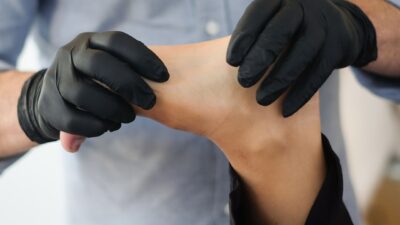
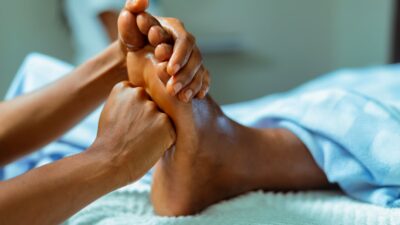
Gentle Stretching and Massage
- Calf stretches, toe rolls, and ankle circles 1 to 2 times daily
- Self-massage with moderate pressure; ask a partner or physical therapist if you cannot reach
- Foot rollers and tennis balls can be used for foot-arch massage
- Avoid excessive pressure on any area of numbness to prevent unnoticed injury
Topical Capsaicin
- Derived from chili peppers; depletes substance P from nerve endings over time
- OTC strength 0.025% to 0.075% cream, applied 3 to 4 times daily
- Effect builds over 2 to 4 weeks; short-term burning sensation is normal
- Prescription-strength 8% patches are available for more severe cases
- Wash hands after use; avoid eyes, mouth, broken skin
Topical Lidocaine
- OTC 4% or 5% patches applied to localized painful areas for 12 hours on, 12 hours off
- Generally safe; minimal systemic absorption
- Helpful for well-localized burning pain
TENS (Transcutaneous Electrical Nerve Stimulation)
- Battery-powered device with adhesive electrodes delivering mild electrical pulses
- Home units are inexpensive (typically $30 to $100)
- 20 to 30 minutes, 1 to 3 times daily
- Modest pain reduction for some patients; no meaningful side effects
- Ask your clinician or physical therapist for proper placement
Regular Exercise
- 150 minutes per week of moderate aerobic activity (walking, cycling, swimming)
- 2 to 3 resistance-training sessions per week
- Balance training (tai chi, yoga) reduces fall risk
- Improvements in nerve conduction and pain often evident at 3 to 6 months
- Non-weight-bearing options if foot ulcers or severe sensation loss are present
Sleep and Stress Management
- 7 to 9 hours of quality sleep
- Elevate feet slightly in bed to reduce nighttime pain for some patients
- Avoid heavy blankets directly on the feet if night pain is worse
- Stress reduction through meditation, deep breathing, or therapy improves pain tolerance
Home Remedies With Weaker Evidence
| Remedy | Claim | Evidence |
|---|---|---|
| Alpha-lipoic acid | Reduces neuropathy pain and improves nerve conduction | Moderate; 600 mg/day oral; see our supplements guide |
| Benfotiamine (B1) | Reduces diabetic nerve pain | Small to moderate |
| B12 supplementation | Corrects deficiency-induced neuropathy | Strong if deficient; otherwise minimal |
| Magnesium | Muscle cramps and general relaxation | Weak for neuropathy specifically |
| Turmeric / curcumin | Anti-inflammatory | Weak |
| Ginger | Anti-inflammatory | Weak |
| Cayenne pepper capsules | Similar to capsaicin cream, internally | Weak |
| Acupuncture | Reduces pain in some patients | Mixed; larger studies mixed |
| CBD oil | Reduces neuropathic pain | Mixed; quality of products varies |
See our dedicated supplements for neuropathy guide for details on the evidence-backed options.
Remedies to Approach With Caution
- Hot foot baths or heating pads: burn risk with reduced sensation
- Ice packs directly on skin: frostbite risk with reduced sensation
- “Nerve regeneration” supplements with unverified ingredients — common on social media; often expensive and unproven
- Essential oils applied undiluted — can cause chemical burns, especially on skin with impaired barrier function
- Self-performed acupuncture needles — infection risk; use licensed practitioners
Daily Foot-Care Routine
For any neuropathy, daily foot care is the single most important home practice:
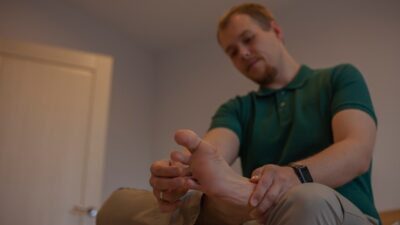
- Inspect both feet — top, bottom, between toes — every day
- Wash with lukewarm water and dry thoroughly
- Moisturize except between toes
- Trim nails straight across; file sharp edges
- Wear clean, moisture-wicking socks
- Never walk barefoot, even indoors
- Shake shoes out before putting them on
- See a podiatrist at least yearly; more often if sensation is significantly impaired
When to Call a Clinician
- New foot ulcer, blister, or sore that is not healing in 48 to 72 hours
- Redness, warmth, or red streaking around a wound
- Fever with any foot wound
- Sudden severe foot pain, swelling, or deformity
- Rapidly worsening numbness or weakness
- Rising reliance on OTC pain medications
- New autonomic symptoms — dizziness on standing, digestive issues, bladder problems, erectile dysfunction
Putting It Together: A One-Week Starter Plan
- Daily: 10-minute foot inspection, moisturize, well-fitted shoes, short walk after meals
- 3x per week: warm foot soak (10 to 15 min); capsaicin cream to painful areas 3 to 4 times daily if used
- 2x per week: resistance training (body weight or light bands)
- Weekly: log what helped and what did not; keep a symptom diary
- Monthly: review with your clinician — adjust medications, check A1C progress, refine the plan
Related Reading
See our dedicated guides on diabetic neuropathy, diabetic peripheral neuropathy, and foot neuropathy for the full clinical picture.
The Bottom Line
Home remedies for neuropathy can improve comfort and function when used as add-ons to good medical care. Warm foot soaks, gentle movement, topical capsaicin, TENS, and regular exercise have the best evidence. Most commercial “nerve support” products are not well-supported. The real levers are tight glucose control, blood pressure and lipid management, smoking cessation, meticulous foot care, and FDA-approved medications for pain. Put the foundation in place first, then layer in the home measures that actually help you feel better.