Normal blood sugar after eating is below 140 mg/dL at the two-hour mark. Glucose typically peaks 60-90 minutes after your first bite, then trends back toward your fasting baseline. Carb amount, food order, fiber, activity, sleep, and stress all change the height and duration of that spike. Here is how to interpret your readings and what to do about them.
Normal Post-Meal Blood Sugar Ranges
| Group | 1 hour after | 2 hours after | 3+ hours after |
|---|---|---|---|
| No diabetes | Below 140 mg/dL | Below 140 mg/dL | Near fasting baseline |
| Prediabetes | 140-180 mg/dL | 140-199 mg/dL | Often elevated |
| Type 2 diabetes | Up to 180 mg/dL (target) | Below 180 mg/dL (target) | Often elevated |
| Pregnancy (gestational) | Below 140 mg/dL | Below 120 mg/dL | Near fasting baseline |
The American Diabetes Association recommends most non-pregnant adults with diabetes target post-meal glucose below 180 mg/dL. People with prediabetes generally aim for the non-diabetes range when possible.
What Happens to Blood Sugar After You Eat
When food enters your digestive tract, carbohydrates break down into glucose, which enters the bloodstream. Your pancreas releases insulin, which moves glucose into cells for energy or storage. The result is a rise (the post-meal peak), followed by a return to baseline.
In healthy metabolism, the entire curve happens within 2-3 hours. With insulin resistance or diabetes, the curve is higher and longer because cells respond sluggishly to insulin.
What Affects Post-Meal Blood Sugar
Food Factors
- Total carbohydrates — the biggest single driver. More carbs = larger spike.
- Glycemic index — refined carbs (white bread, soda) spike faster than whole grains, lentils, and berries.
- Fiber content — slows digestion. 5+ grams per meal flattens the curve.
- Fat and protein — slow gastric emptying and reduce peak height.
- Food order — eating vegetables and protein first, then carbs, can lower the spike by 30%.
- Liquid vs. solid — liquid carbs (juice, smoothies) absorb fastest.
- Cooking method — overcooked pasta has higher GI than al dente; cold rice and potatoes form resistant starch.
Lifestyle Factors
- Activity — even a 10-minute post-meal walk lowers peaks dramatically
- Sleep — one bad night can raise post-meal glucose by 20-30%
- Stress — cortisol raises both fasting and post-meal numbers
- Hydration — dehydration concentrates glucose
- Time of day — most people are more insulin sensitive in the morning
- Menstrual cycle — luteal phase often runs higher
- Medications — steroids and some antidepressants raise glucose
When and How to Test After Meals
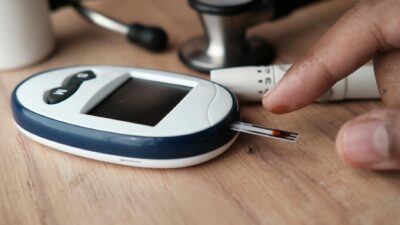
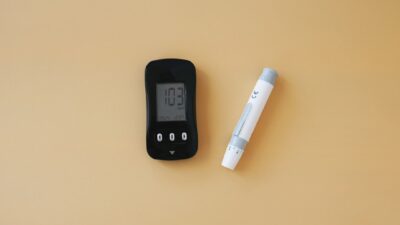
Time your test 1-2 hours from the first bite, not from the end of the meal. A typical schedule for someone learning their patterns:
- Check fasting first thing in the morning
- Check before a meal (pre-prandial)
- Check 2 hours after the first bite (post-prandial)
- Note what you ate and any unusual factors (illness, exercise, sleep)
If you wear a continuous glucose monitor, you can watch the entire curve in real time. Otherwise, paired finger-stick tests reveal your meal-specific responses. Learn more on our blood sugar monitor guide.
What’s a “Spike” and When Should You Worry?
A spike is any sharp increase. Mild spikes are normal; chronic large spikes drive long-term complications. Worry about:
- 2-hour readings consistently above 200 mg/dL
- Spikes greater than 60 mg/dL above pre-meal
- Symptoms (fatigue, blurred vision, thirst, frequent urination)
- Readings above 240 mg/dL — call your provider
- Readings above 300 mg/dL or DKA symptoms — go to the ER
Practical Strategies to Lower Post-Meal Glucose
| Strategy | Typical Reduction | How |
|---|---|---|
| 10-min walk after meal | 20-30 mg/dL | Muscles use glucose without insulin |
| Vegetables first | 15-25 mg/dL | Fiber slows carb absorption |
| Add 1 tbsp vinegar to meal | 10-20 mg/dL | Slows starch digestion |
| Swap refined for whole grain | 20-40 mg/dL | Lower GI |
| Reduce portion by 25% | 15-30 mg/dL | Less total carb load |
| Add protein or healthy fat | 10-20 mg/dL | Slows gastric emptying |
For a complete eating framework, see our prediabetes diet plan.
The Dawn and Second-Meal Effects
Two patterns confuse many people learning to track post-meal glucose. The dawn phenomenon raises fasting glucose between 4-8 a.m. due to natural cortisol release, making breakfast spikes appear larger. The second-meal effect means a high-carb breakfast often elevates lunch glucose too, even with a healthy lunch. A balanced first meal sets the tone for the rest of the day.
The Bottom Line
Normal blood sugar after eating peaks below 140 mg/dL at the two-hour mark. Carbs, fiber, fat, protein, food order, activity, sleep, and stress all shape the curve. Test 1-2 hours after the first bite, walk after meals, eat vegetables first, and choose lower-GI carbs to keep post-meal glucose in range. Persistent readings above 200 mg/dL deserve a conversation with your provider.