Yes, you can drink plain water before a fasting glucose test, the 1-hour pregnancy glucose screen, or the oral glucose tolerance test (OGTT). In fact, arriving hydrated improves both the accuracy of the result and the comfort of the blood draw. What you cannot do is drink anything else — no coffee, tea, juice, soda, or sports drinks — or eat, chew gum, smoke, or take unnecessary medications during the fasting window.
What “Fasting” Actually Means
Fasting for a glucose test means no caloric intake for 8 to 12 hours before the draw. Water is specifically not caloric and does not contain anything that affects the result. Anything that stimulates insulin or produces glucose does break the fast, even in tiny amounts.
What Is and Is Not Allowed Before Glucose Tests
| Item | Fasting Glucose | 1-Hour GCT (Pregnancy) | OGTT (2-Hour or 3-Hour) |
|---|---|---|---|
| Plain water | Allowed, encouraged | Allowed | Small sips allowed |
| Coffee / tea (black, unsweetened) | Not allowed | Avoid in the hour before | Not allowed |
| Herbal tea | Not allowed | Avoid in the hour before | Not allowed |
| Juice, soda, sports drinks | Not allowed | Not allowed | Not allowed |
| Food of any kind | Not allowed | Eat normally; avoid big sugary loads 1 hr before | Not allowed |
| Gum (sugar-free or regular) | Not allowed | Not recommended 1 hr before | Not allowed |
| Mints, lozenges, cough drops | Not allowed | Not recommended | Not allowed |
| Vitamins / supplements | Pause unless essential | Pause unless essential | Pause unless essential |
| Smoking / vaping | Avoid | Avoid | Avoid |
| Prescription medications | Check with your doctor | Check with your doctor | Check with your doctor |
Why Hydration Helps the Test
Blood glucose is reported as a concentration — mg per deciliter of plasma. If you are dehydrated, plasma volume drops, and the same amount of glucose looks more concentrated. A borderline reading can get pushed over the diagnostic threshold by dehydration alone. Drinking water:
- Keeps plasma volume normal, so the glucose number reflects your true baseline.
- Makes it easier to find a vein for the blood draw.
- Reduces dizziness that can happen after several hours of fasting.
- Does not affect insulin, hepatic glucose output, or any other metabolic process being measured.
For Fasting Glucose Tests Specifically
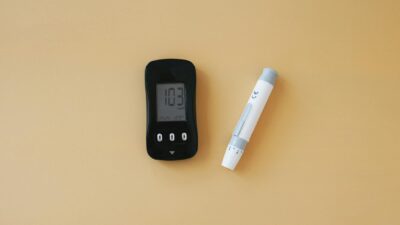
A fasting plasma glucose (FPG) test is done after 8 to 12 hours with no food and only water. The ADA uses these cutoffs:
- Under 100 mg/dL — normal
- 100 to 125 mg/dL — prediabetes
- ≥ 126 mg/dL (repeated) — diabetes
Drink water before the test, and continue sipping water while you wait. Avoid prolonged standing on an empty stomach if you tend toward lightheadedness.
For the 1-Hour Glucose Challenge Test (Pregnancy)
The 50-gram glucose challenge test is a screen used between 24 and 28 weeks of pregnancy. Unlike the OGTT, fasting is not required. Water is fine throughout. Practical advice:
- Eat a normal breakfast or lunch — do not specifically load with carbs or cut them back.
- Avoid a large sugary meal or sugary drink in the hour before.
- Sip water normally, including right up to the test.
- Sit quietly for the hour between drinking the glucose solution and the blood draw.
For the 2-Hour or 3-Hour Oral Glucose Tolerance Test
These are diagnostic tests with multiple blood draws and strict fasting rules:
- Eat a balanced, carb-containing diet for at least 3 days before the test. Do not cut carbs.
- Fast overnight for 8 to 14 hours with only plain water allowed.
- Arrive at the lab; the technician will draw a fasting sample.
- You will drink a 75-gram (2-hour test) or 100-gram (3-hour test) glucose solution within 5 minutes.
- Stay seated in the waiting area. Sip small amounts of water only; no food, coffee, gum, mints, or other drinks until the last draw.
What About Medications?
Some medications can raise or lower glucose and interfere with test results:
- Glucocorticoids (prednisone, dexamethasone): raise glucose — discuss timing with your doctor.
- Thiazide diuretics, beta-blockers, some antipsychotics: can raise glucose modestly.
- Insulin and sulfonylureas: if you are being screened for diabetes, you usually are not on these. If you are on them for diagnosed diabetes, the test is usually monitoring rather than diagnostic.
- Metformin: generally continued; it does not invalidate the result.
- SSRIs, statins, blood pressure pills: typically taken with a small sip of water in the morning of the test.
Confirm with your ordering doctor which medications to take or hold.
Common Mistakes That Ruin a Fasting Glucose Test
- Drinking black coffee because “it has no calories” — it still alters glucose and insulin briefly.
- Adding lemon, apple cider vinegar, or flavor drops to water — all break the fast.
- Chewing gum — sweeteners and chewing both stimulate insulin.
- Cutting carbs in the days before — can worsen glucose tolerance and produce a falsely elevated result.
- Arriving dehydrated after travel or a very light breakfast the day before.
- Skipping a regular medication that affects your usual glucose pattern.
If You Accidentally Broke the Fast
Tell the phlebotomist or clinic staff honestly. A sip of water at 3 a.m. is fine. A coffee with cream, a piece of fruit, or anything caloric usually means rescheduling so the result is accurate. Honesty here prevents a misdiagnosis; a lab technician would much rather reschedule than run a flawed test.
Related Reading
See our deeper dive on what it means to fail a 1-hour glucose test, or read about A1C levels as an alternative non-fasting screen.
The Bottom Line
Water is not only allowed before a glucose test — it is actively recommended. Everything else that is not plain water is off limits during the fasting window. Drink normally, avoid coffee, gum, mints, and flavored water, and arrive at the lab hydrated and relaxed for the most accurate result.