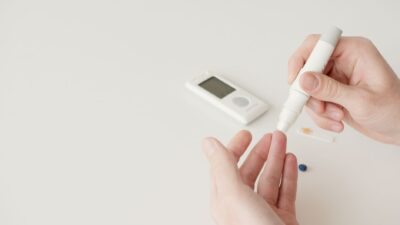
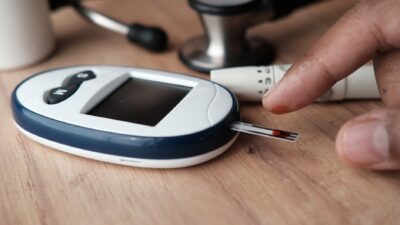
A CGM for pregnancy is recommended for people with type 1 diabetes, according to the American Diabetes Association (ADA), and it may help some people with type 2 or gestational diabetes. Not every continuous glucose monitor is labeled for use in pregnancy, so the device matters. Your care team will set the targets and decide whether a CGM fits your plan.
This guide covers what the ADA recommends, which CGMs are labeled for pregnancy as of late 2026, the targets used, and practical tips. It is general information. Decisions about monitoring and treatment in pregnancy belong with your obstetric and diabetes team.
What the ADA Recommends
The ADA Standards of Care in Diabetes 2026, Section 15 on pregnancy, makes these points about CGM:
- Type 1 diabetes: CGM is recommended for pregnant people with type 1 diabetes. Alongside meeting fingerstick goals, CGM can help reduce the risk of a large-for-gestational-age baby and of low blood sugar in the newborn.
- Type 2 and gestational diabetes: CGM may be beneficial, but the ADA says there is not yet enough evidence to support it for everyone. The decision should be based on your treatment plan, circumstances, preferences and needs.
- Fingersticks still count: Glucose goals in pregnancy are still built around fingerstick checks before and after meals, and CGM is used alongside them.
The type 1 recommendation draws on randomized trial evidence, including the CONCEPTT trial, in which pregnant women with type 1 diabetes who used CGM had better newborn outcomes than those who relied on fingersticks alone.
Which CGMs Are Labeled for Pregnancy?
Labeling changes, so confirm the current instructions for any device with your care team or the manufacturer. As of late 2026, this is what the US labeling and manufacturers state:
| CGM | Pregnancy status (US) |
|---|---|
| Dexcom G7 | Dexcom says it can be worn during pregnancy with type 1, type 2 or gestational diabetes |
| Dexcom G7 15 Day | Dexcom says pregnancy use also applies; this sensor is for adults 18 and older |
| FreeStyle Libre 2 Plus and 3 Plus | Current Abbott US safety information does not list pregnancy as an exclusion; a 2024 review lists the Libre 2 and 3 systems among CGMs FDA-approved for pregnancy |
| Dexcom G6 | US user guide says do not use if pregnant; the G6 is also being phased out |
| Other CGMs and OTC biosensors | Check the current label; over-the-counter biosensors are not designed for diabetes treatment decisions in pregnancy |
A 2024 review in Obstetrics & Gynecology notes that the FDA has approved several CGM systems for use in pregnancy and that newer devices are about as accurate as common fingerstick meters. For an overview of devices, see our guide to CGM brands.
Glucose Targets in Pregnancy
CGM Targets for Type 1 Diabetes in Pregnancy
The ADA uses a tighter range in pregnancy than outside it. These time-in-range goals are specific to pregnant people with type 1 diabetes:
| CGM metric | Range | Goal |
|---|---|---|
| Time in range | 63-140 mg/dL (3.5-7.8 mmol/L) | More than 70% |
| Time below range (level 1) | Below 63 mg/dL (3.5 mmol/L) | Less than 4% |
| Time below range (level 2) | Below 54 mg/dL (3.0 mmol/L) | Less than 1% |
| Time above range | Above 140 mg/dL (7.8 mmol/L) | Less than 25% |
There are no set CGM time-in-range goals yet for type 2 or gestational diabetes in pregnancy. Learn more about the metric in our guide to time in range.
Fingerstick Targets
The ADA’s pregnancy targets for type 1 and type 2 diabetes, which are also used for gestational diabetes, are:
- Fasting: 70-95 mg/dL (3.9-5.3 mmol/L)
- 1 hour after a meal: 110-140 mg/dL (6.1-7.8 mmol/L)
- 2 hours after a meal: 100-120 mg/dL (5.6-6.7 mmol/L)
The ADA’s A1C goal in pregnancy is ideally below 6% (42 mmol/mol) if it can be reached without significant lows, and it may be relaxed to below 7% (53 mmol/mol) to prevent hypoglycemia. Your team may set different goals for you. For more detail, see our pages on gestational diabetes blood sugar goals and normal glucose levels in pregnancy.
Benefits and Limits of CGM in Pregnancy
| Potential benefits | Limits to know |
|---|---|
| Readings every few minutes, day and night | Readings come from fluid under the skin and can lag blood by about 10-15 minutes |
| Alerts for highs and lows, including overnight | Accuracy dips at very low and very high glucose levels |
| Shows after-meal spikes and fasting trends that occasional checks can miss | Lying on the sensor can cause false low readings |
| Data can be shared with your care team between visits | Some substances, such as acetaminophen above label limits, high-dose vitamin C or hydroxyurea, can interfere with some sensors |
The Obstetrics & Gynecology review notes that fasting values just above 95 mg/dL (5.3 mmol/L) can be easy to overlook on a CGM report, so it suggests reviewing fasting data specifically. It also says a CGM and fingerstick reading taken at a stable time should usually be within about 20-30 mg/dL of each other. If the gap is bigger, or a reading doesn’t match how you feel, confirm with your meter.
Practical Tips for Wearing a CGM While Pregnant
- Use approved wear sites. Follow the label for where to place the sensor, and ask your educator if your growing belly makes your usual site harder to use.
- Keep your meter. Use it when readings don’t match your symptoms, during sensor warmup, and if a sensor fails.
- Set alerts with your team. Pregnancy targets are tighter, so your high and low alert settings may need to change.
- Plan for labor and delivery. Ask how your CGM will be used in the hospital and whether staff will use bedside meters instead.
- Watch for lows. Insulin needs shift during pregnancy, and lows can be more common in early pregnancy. Learn how to treat low blood sugar and make sure someone close to you knows what to do.
Reading Your CGM Data With Your Team
A CGM produces a lot of data, and pregnancy targets are tight, so it helps to agree on a routine. Many clinics ask you to share your data through the device app so they can review it between visits. Reports usually show your average glucose, time in range, time below and above range, and patterns around meals and overnight.
When you look at your own data, focus on patterns rather than single readings. A one-off spike after a large meal matters less than a fasting level that sits above 95 mg/dL (5.3 mmol/L) most mornings, or repeated lows in the afternoon. Write down questions as they come up, and bring them to your next visit rather than changing insulin doses on your own.
Questions to Ask Your Care Team
- Is a CGM recommended for my type of diabetes, or are fingersticks enough?
- Which device is labeled for pregnancy and covered by my plan?
- What high and low alert settings should I use, and should they change by trimester?
- How often will you review my data, and how do I share it?
- When should I confirm a reading with my meter?
- How will my CGM be handled during labor, delivery and the hospital stay?
After Delivery
Glucose needs change quickly after birth. People with type 1 or type 2 diabetes often need much less insulin right after delivery, which raises the risk of lows, so your team will adjust doses and may keep using your CGM to watch closely. Breastfeeding can also lower glucose, so keep fast-acting carbohydrate nearby. Ask your team for a written plan for the first weeks at home, including who to call if you have repeated lows or highs.
If you had gestational diabetes, glucose usually returns to normal after delivery, but your risk of type 2 diabetes later in life is higher. The ADA recommends a glucose tolerance test 4 to 12 weeks after delivery and regular screening after that. Keeping up with those tests, and with healthy habits, helps catch prediabetes early.
Cost and Coverage
CGMs need a prescription, and coverage depends on your plan and your type of diabetes. Coverage is more consistent for type 1 diabetes and for people who use insulin. Ask your prescriber and your plan what documentation they need. Our guides on getting a CGM prescription and CGM insurance coverage walk through the steps.
CGM, Prediabetes and Pregnancy
Having prediabetes before pregnancy raises the chance of developing gestational diabetes, and your doctor may suggest earlier glucose testing. A CGM is not used to diagnose gestational diabetes; that is done with an oral glucose tolerance test. If you have prediabetes and are planning a pregnancy, talk with your doctor about screening and the lifestyle steps that can help. Our guides on whether prediabetes is reversible and on pregnancy with type 1 diabetes offer more background.
The Bottom Line
A CGM for pregnancy is recommended in type 1 diabetes and may help some people with type 2 or gestational diabetes. Choose a device whose current label covers pregnancy, keep a meter as backup, and work with your care team on targets, which in type 1 pregnancy aim for more than 70 percent of time between 63 and 140 mg/dL (3.5 to 7.8 mmol/L).