Hypoglycemia treatment depends on severity. Mild episodes (you can self-treat) are managed with the 15-15 rule: 15 grams of fast-acting carbohydrate, wait 15 minutes, retest. Moderate episodes may need a second round and a follow-up snack. Severe hypoglycemia — confusion, seizure, or unconsciousness — is a medical emergency requiring glucagon (injectable or Baqsimi nasal powder) and a 911 call. Anyone at risk should keep glucagon and fast-acting carbs accessible at all times.
Defining Hypoglycemia by Severity
The American Diabetes Association classifies hypoglycemia in three tiers, and treatment differs at each level:
| Level | Glucose | Symptoms | Treatment |
|---|---|---|---|
| Level 1 (alert) | 54-69 mg/dL | Shakiness, sweating, hunger, anxiety | 15 g fast-acting carbs (self-treat) |
| Level 2 (clinically significant) | Below 54 mg/dL | Cognitive impairment, weakness, slurred speech | 15-30 g fast-acting carbs, often with assistance |
| Level 3 (severe) | Any value with severe cognitive change | Confusion, seizure, unconsciousness | Glucagon + 911 |
Treating Mild Hypoglycemia: The 15-15 Rule
For Level 1 hypoglycemia, the standard protocol is the 15-15 rule:
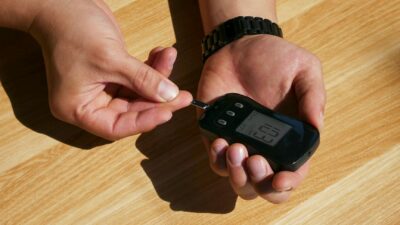
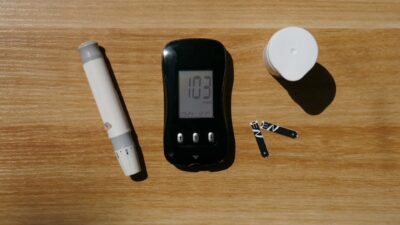
- Confirm glucose is below 70 mg/dL with a meter or CGM.
- Eat or drink 15 grams of fast-acting carbohydrate.
- Wait 15 minutes — do not eat more during this window.
- Retest. If still below 70 mg/dL, repeat with another 15 g.
- Once stable, eat a small snack with carbs and protein if your next meal is more than an hour away.
Reliable 15-gram carbohydrate sources include 4 glucose tablets, 4 ounces of juice or regular soda, 1 tablespoon of honey, or 8 ounces of skim milk. For a deeper dive into the best foods to use during a low, see our guide on what to eat when blood sugar is low.
Treating Moderate Hypoglycemia
Moderate (Level 2) episodes can usually be managed with oral carbohydrate, but the patient often needs help and the glucose target is harder to hit on the first try. Key principles:
- Use 20 to 30 grams of carbohydrate as the first dose if the reading is below 54 mg/dL or symptoms are severe.
- Stay with the person until cognition fully clears — usually 20 to 30 minutes after glucose returns above 70 mg/dL.
- Give a sustaining snack with carbohydrate and protein once they can swallow safely (peanut butter on toast, cheese with crackers, half a turkey sandwich).
- If oral intake is unreliable or the person worsens, escalate to glucagon.
Treating Severe Hypoglycemia: Glucagon
Severe (Level 3) hypoglycemia means the patient cannot safely swallow. Oral treatment is dangerous because of aspiration risk. Glucagon — a hormone that triggers the liver to release stored glucose — is the rescue medication.
Baqsimi (Nasal Glucagon)
Baqsimi is a 3-mg single-use nasal powder approved by the FDA in 2019. The applicator is inserted into one nostril and the plunger pressed. The patient does not need to inhale; the powder is absorbed through the nasal mucosa. Glucose typically rises within 10 to 15 minutes. Baqsimi requires no mixing, has a shelf life of 2 years at room temperature, and can be used by minimally trained bystanders.
Gvoke HypoPen and Zegalogue
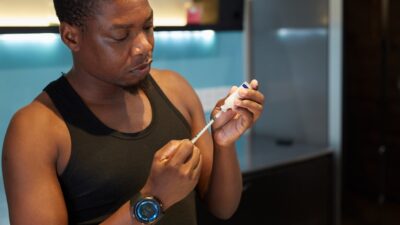
These are pre-filled glucagon auto-injectors. Like an EpiPen, the device is pressed against the outer thigh and the button activated. No reconstitution required. Both are effective within 10 to 15 minutes.
Traditional Glucagon Emergency Kits
The classic Lilly GlucaGen Hypokit and similar products require mixing the powder with the included diluent before injecting intramuscularly into the thigh, arm, or buttock. They work equally well as the newer products, but the multi-step preparation can be intimidating in an emergency. Many endocrinologists now prescribe Baqsimi or auto-injectors instead.
What to Do After Glucagon
- Turn the person on their side (recovery position) — vomiting is common after glucagon.
- Call 911.
- Once they regain consciousness and can swallow safely, give 15-30 grams of fast-acting carbs followed by a protein-containing snack.
- Notify the diabetes care team within 24 hours so medications and CGM settings can be reassessed.
Special Situations
Nocturnal Hypoglycemia
Lows occurring during sleep are particularly dangerous because warning symptoms may not wake the patient. Strategies include using a CGM with overnight low alerts, eating a small protein-and-carb bedtime snack if pre-bed glucose is below 100 mg/dL, and adjusting basal insulin doses with your endocrinologist.
Hypoglycemia Unawareness
After many years of diabetes or repeated lows, the body’s adrenergic warning system can blunt, leaving the patient with no symptoms until cognitive impairment sets in. Strict avoidance of further lows for 2 to 3 weeks can partially restore awareness. CGM use is essentially mandatory for these patients.
Exercise-Related Hypoglycemia
Physical activity increases muscle glucose uptake and insulin sensitivity for up to 24 hours afterward. Strategies include reducing pre-exercise insulin, eating 15-30 g of carbs before prolonged activity, and checking glucose before, during, and after exercise.
Alcohol-Related Hypoglycemia
Alcohol blocks the liver’s gluconeogenesis. People taking insulin or sulfonylureas can develop lows hours after drinking, often during sleep. Eat carbohydrate with alcohol and never drink on an empty stomach.
Post-Bariatric Hypoglycemia
After gastric bypass, rapid carbohydrate dumping into the small intestine can trigger an exaggerated insulin response and a delayed low (1 to 3 hours after a meal). Treatment focuses on small, low-glycemic, protein-rich meals and avoiding simple sugars.
Long-Term Prevention
- Continuous glucose monitoring (CGM): Devices like Dexcom G7 and FreeStyle Libre 3 alert the user 20-30 minutes before a low. CGM use cuts severe hypoglycemia rates in half in many studies.
- Medication review: Sulfonylureas (glipizide, glyburide, glimepiride) are the most common oral cause of hypoglycemia. Switching to a DPP-4 inhibitor, GLP-1 agonist, or SGLT2 inhibitor often eliminates the risk.
- Insulin dose adjustment: Smaller, more frequent insulin doses (basal-bolus rather than premixed twice-daily) reduce hypoglycemia risk.
- Structured meal timing: Skipping meals while on insulin or sulfonylureas almost guarantees lows.
- Sick-day planning: A written plan covers what to do when you cannot eat, vomit, or have diarrhea.
- Education for family and coworkers: They should recognize symptoms, know where rescue carbs and glucagon are stored, and know how to use them.
When to Seek Medical Attention
Call your diabetes care team within 24 hours after any of the following:
- Required glucagon
- Lost consciousness or had a seizure
- Repeated lows (more than 2 per week)
- Lows below 54 mg/dL more than once
- Hypoglycemia unawareness
Recurrent hypoglycemia is a sign that the diabetes regimen needs adjustment. Patients with prediabetes who develop lows should also be evaluated, since true hypoglycemia is uncommon with lifestyle treatment alone or with metformin for prediabetes — which rarely causes hypoglycemia by itself.
Building a Hypoglycemia Action Plan
Every person at risk should have a written, one-page action plan stored in obvious locations and shared with family. It should include:
- Personal symptoms of hypoglycemia
- Glucose targets and the threshold for treatment
- Specific carbohydrate sources kept in each location
- Glucagon location and step-by-step instructions
- Emergency contact numbers
- The diabetes care team’s after-hours line
The Bottom Line
Hypoglycemia treatment is matched to severity. Mild episodes are handled with the 15-15 rule using glucose tablets, juice, or other fast-acting carbohydrate. Moderate episodes need more carbohydrate, assistance, and a follow-up snack. Severe hypoglycemia — confusion, seizure, or loss of consciousness — is an emergency requiring glucagon (Baqsimi nasal, Gvoke, Zegalogue, or an injectable kit) and a 911 call. Prevention rests on continuous glucose monitoring, careful medication selection, structured meals, and educating those around you. Anyone at risk for severe lows should have current glucagon at home, work, and in the car, and should review their plan with their healthcare provider at every visit.