Diabetes medications fall into eight major classes, each working through a different mechanism: reducing liver glucose output, increasing insulin sensitivity, stimulating insulin release, slowing carbohydrate absorption, or replacing insulin directly. Choosing among them depends on your A1C, weight, kidney function, heart history, side-effect tolerance, and cost.
Quick Overview of the Main Drug Classes
| Class | Examples | How It Works | Hypoglycemia Risk | Effect on Weight |
|---|---|---|---|---|
| Biguanides | Metformin | Reduces liver glucose output | Low | Neutral to slight loss |
| Sulfonylureas | Glipizide, glimepiride, glyburide | Stimulate beta cells to release insulin | Moderate to high | Gain |
| Meglitinides | Repaglinide, nateglinide | Short-acting insulin secretagogues | Moderate | Gain |
| DPP-4 inhibitors | Sitagliptin, linagliptin, saxagliptin | Boost incretin hormone activity | Low | Neutral |
| GLP-1 receptor agonists | Semaglutide, liraglutide, dulaglutide, tirzepatide* | Mimic gut incretin hormones | Low | Significant loss |
| SGLT2 inhibitors | Empagliflozin, dapagliflozin, canagliflozin | Excrete glucose in urine | Low | Mild loss |
| Thiazolidinediones | Pioglitazone, rosiglitazone | Improve insulin sensitivity in tissues | Low | Gain |
| Insulin | Glargine, detemir, degludec, NPH, lispro, aspart, glulisine | Replaces or supplements insulin | High | Gain |
*Tirzepatide is technically a dual GIP/GLP-1 receptor agonist.
Biguanides: Metformin
Metformin has been the cornerstone of type 2 diabetes care for over 25 years. It primarily reduces glucose output by the liver and modestly improves insulin sensitivity in muscle.
Typical lab effect is an A1C reduction of 1.0 to 1.5 percentage points. The most common side effects are gastrointestinal: nausea, diarrhea, and metallic taste, often improved by extended-release formulations and slow titration. Long-term use can lower vitamin B12. Metformin is contraindicated when kidney function (eGFR) drops below 30.
For more on metformin specifically, see our guide to metformin for prediabetes.
Sulfonylureas
Sulfonylureas (glipizide, glimepiride, glyburide) push the pancreas to release more insulin. They are inexpensive and effective (A1C reduction around 1 to 1.5 percentage points) but carry the highest hypoglycemia risk among oral diabetes drugs and tend to cause weight gain. Glyburide is generally avoided in older adults because of stronger hypoglycemia risk.
Meglitinides
Repaglinide and nateglinide are short-acting insulin secretagogues taken just before meals. They are less commonly used today but can be useful for people with irregular meal timing.
DPP-4 Inhibitors
DPP-4 inhibitors (sitagliptin, linagliptin, saxagliptin, alogliptin) prolong the action of natural incretin hormones, which stimulate insulin release in response to meals. They are weight-neutral, well tolerated, and rarely cause hypoglycemia. A1C reduction is modest, around 0.5 to 0.8 percentage points. Saxagliptin and alogliptin carry an FDA warning for heart failure risk in vulnerable patients.
GLP-1 Receptor Agonists
GLP-1 receptor agonists are now among the most prescribed diabetes drugs in the United States. They mimic the natural gut hormone GLP-1, increasing insulin release after meals, slowing stomach emptying, and reducing appetite.
Common Examples
- Semaglutide (Ozempic injection, Rybelsus oral; Wegovy is the obesity dose)
- Liraglutide (Victoza; Saxenda for obesity)
- Dulaglutide (Trulicity)
- Exenatide (Byetta, Bydureon)
- Tirzepatide (Mounjaro for diabetes; Zepbound for obesity) — dual GIP/GLP-1
A1C reductions are large (1 to 2 percentage points) and weight loss can range from 5 to over 20 percent. Cardiovascular outcome trials have shown that several of these drugs reduce heart attacks and strokes in people with established cardiovascular disease. The most common side effects are nausea, vomiting, and constipation, usually easing within weeks.
SGLT2 Inhibitors
SGLT2 inhibitors (empagliflozin, dapagliflozin, canagliflozin, ertugliflozin) block glucose reabsorption in the kidney, causing excess glucose to leave in the urine. They:
- Lower A1C by about 0.5 to 1.0 percentage points
- Cause modest weight loss (about 2 to 3 percent)
- Lower blood pressure slightly
- Significantly reduce hospitalizations for heart failure
- Slow chronic kidney disease progression in many patients, including those without diabetes
Common side effects include genital yeast infections, urinary tract infections, and dehydration. Rare but serious risks include diabetic ketoacidosis (sometimes with normal glucose) and lower-limb amputation (canagliflozin warning).
Thiazolidinediones (TZDs)
Pioglitazone and rosiglitazone improve insulin sensitivity in muscle and fat tissue. They lower A1C by 0.5 to 1.4 percentage points and do not cause hypoglycemia by themselves. Drawbacks include weight gain, fluid retention (worsening heart failure), increased fracture risk, and a possible small increase in bladder cancer risk with long-term pioglitazone use.
Insulin
Insulin is required for type 1 diabetes and is added in type 2 diabetes when other treatments cannot achieve glucose targets. Modern insulins are categorized by onset and duration:
| Type | Examples | Onset | Duration |
|---|---|---|---|
| Rapid-acting analog | Lispro, aspart, glulisine, faster aspart | 5 to 15 minutes | 3 to 5 hours |
| Short-acting (regular) | Humulin R, Novolin R | 30 minutes | 5 to 8 hours |
| Intermediate (NPH) | Humulin N, Novolin N | 1 to 2 hours | 10 to 16 hours |
| Long-acting basal | Glargine, detemir | 1 to 2 hours | 18 to 24 hours |
| Ultra-long-acting | Degludec, glargine U-300 | 30 to 90 minutes | 36 to 42+ hours |
| Inhaled | Afrezza | 10 minutes | 2 to 3 hours |
Insulin’s main risks are hypoglycemia and weight gain. Doses are individualized; do not adjust without your prescriber’s input.
Combination and Newer Therapies
Many fixed-dose combinations exist (for example, metformin + a DPP-4 inhibitor, or basal insulin + a GLP-1 agonist) to reduce pill burden. The dual GIP/GLP-1 agonist tirzepatide currently produces the largest A1C and weight reductions of any non-insulin diabetes drug studied. Investigational triple agonists (such as retatrutide) are in late-phase trials.
How Doctors Choose
According to the American Diabetes Association’s 2024 Standards of Care, treatment selection considers:
- Cardiovascular and kidney disease history (favoring GLP-1 agonists or SGLT2 inhibitors)
- Weight goals (favoring GLP-1 agonists, SGLT2 inhibitors)
- Hypoglycemia risk
- Cost and insurance coverage
- Patient preference for pill vs injection
- Kidney function
Personalized treatment plans matter. For background on prediabetes-stage options, visit our medication for prediabetes page.
What to Discuss With Your Clinician
- Realistic A1C target for your age and other health conditions
- How a new medication might interact with existing prescriptions
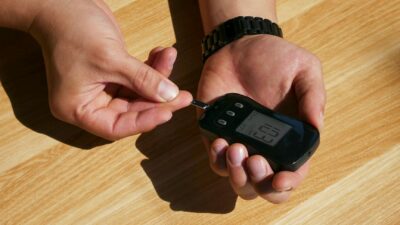
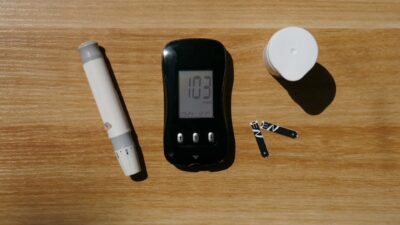
- Whether to monitor at home with a meter or CGM
- Cost: copays, manufacturer coupons, generic alternatives
- What to do during illness or surgery
The Bottom Line
Modern diabetes care offers more effective and safer medication options than ever before. Metformin remains the workhorse, but GLP-1 receptor agonists and SGLT2 inhibitors have rewritten what is possible for both glucose control and protection of the heart and kidneys. The “best” medication is the one that fits your goals, your other health conditions, your wallet, and your willingness to manage side effects. Bring this list to your next appointment and have an honest conversation about which class fits you. We do not provide prescriptive dose advice; that belongs with your clinician.