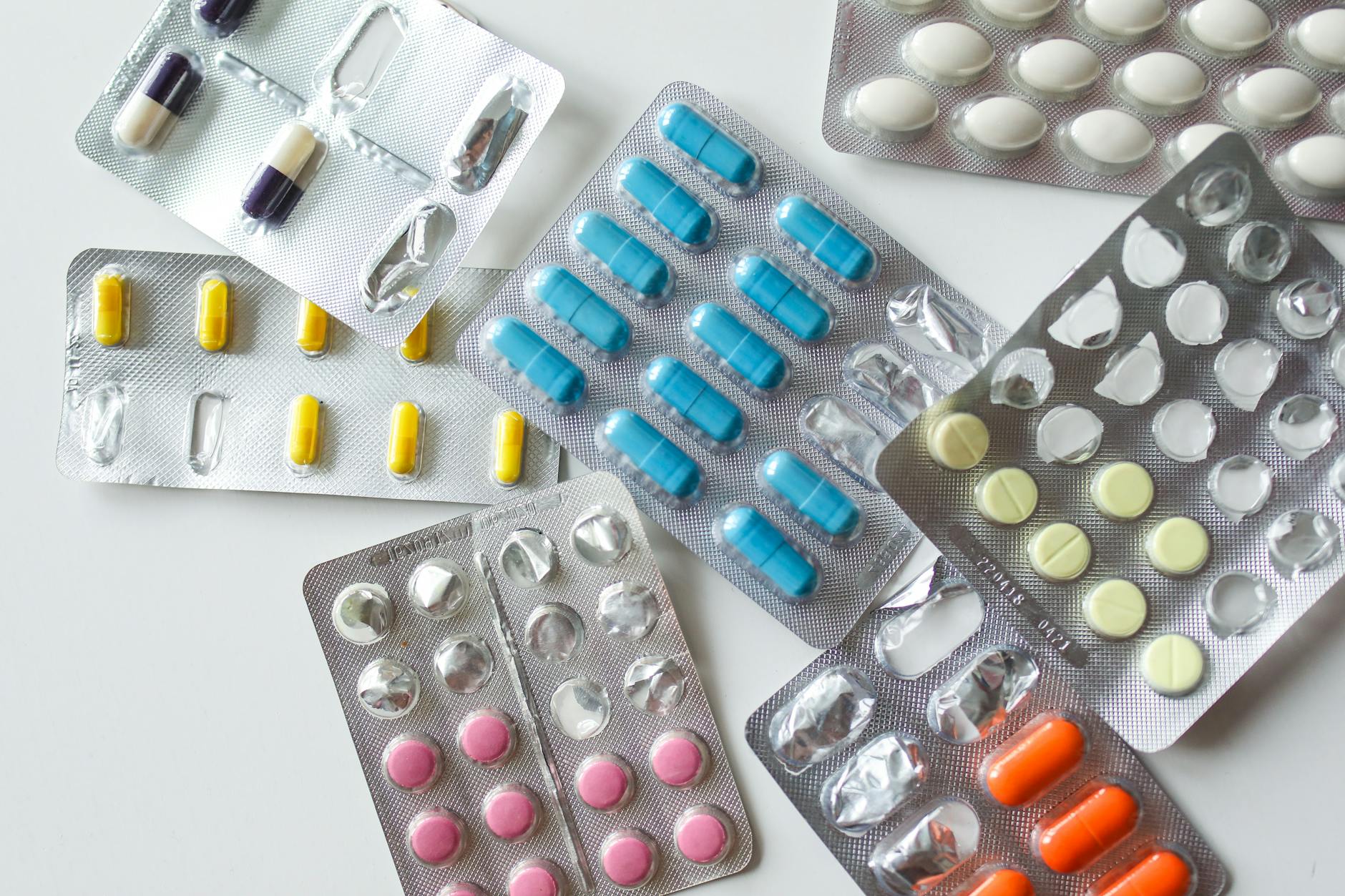
Medication for prediabetes is sometimes recommended when lifestyle changes alone are not enough to bring blood sugar back to normal. While diet and exercise remain the most effective first-line approach, several medications — led by metformin — have been shown to reduce the risk of progressing from prediabetes to type 2 diabetes.
When Is Medication Considered for Prediabetes?
Most medical guidelines, including those from the American Diabetes Association (ADA), recommend lifestyle modification as the primary treatment for prediabetes. However, medication may be appropriate in certain situations:
- Age under 60 with a BMI of 35 or higher
- History of gestational diabetes
- Rising A1C despite consistent lifestyle changes over 3-6 months
- Multiple risk factors that increase the likelihood of rapid progression
- Inability to achieve adequate lifestyle changes due to physical limitations or other barriers
The decision to start medication should be a shared one between you and your doctor. It is not an either-or choice — medication works best alongside lifestyle changes, not as a replacement. Understanding your A1C levels helps determine whether medication should be considered.
Lifestyle Changes vs. Medication: What the Research Shows
The landmark Diabetes Prevention Program (DPP) study is the gold standard for comparing lifestyle intervention with medication. Published in 2002, this large clinical trial followed over 3,200 people with prediabetes and produced clear results:
| Intervention | Diabetes Risk Reduction | Key Requirements |
|---|---|---|
| Intensive lifestyle changes | 58% | 7% body weight loss, 150 min/week exercise |
| Metformin (850 mg twice daily) | 31% | Daily medication adherence |
| Placebo | Baseline | Standard advice only |
The 15-year follow-up of the DPP confirmed that both approaches continued to provide benefit over time, with lifestyle changes still outperforming metformin. However, metformin remained effective — particularly for younger, heavier participants.
Metformin: The Primary Medication for Prediabetes
Metformin is the most widely studied and commonly prescribed medication for prediabetes. Originally developed for type 2 diabetes, it works by reducing the amount of glucose your liver produces and improving your cells’ sensitivity to insulin.
How It Works
Metformin does not cause your body to produce more insulin. Instead, it makes the insulin you already have work more efficiently. This is important because it means metformin rarely causes hypoglycemia (dangerously low blood sugar) on its own.
Effectiveness
In the DPP study, metformin reduced the risk of developing type 2 diabetes by 31% over approximately three years. It was most effective in people under 60 with a BMI of 35 or higher, where it reduced risk by about 50% — approaching the effectiveness of lifestyle intervention.
Typical Dosage
Doctors usually start with a low dose (500 mg once daily) and gradually increase to 500-850 mg twice daily. The extended-release formulation (metformin ER) is often preferred because it causes fewer gastrointestinal side effects.
Common Side Effects
- Nausea, especially when starting or increasing the dose
- Diarrhea or loose stools
- Stomach cramps or bloating
- Metallic taste in the mouth
- Vitamin B12 deficiency with long-term use (should be monitored)
Most gastrointestinal side effects improve within a few weeks. Taking metformin with food and starting at a low dose helps minimize discomfort. For a deeper look, read our guide on metformin for prediabetes.
Acarbose: Slowing Carbohydrate Absorption
Acarbose (brand name Precose) is an alpha-glucosidase inhibitor that slows the digestion of carbohydrates in the small intestine. By delaying the breakdown of starches and sugars, it reduces the blood sugar spike that occurs after meals.
Evidence for Prediabetes
The STOP-NIDDM trial showed that acarbose reduced the risk of progressing from prediabetes to type 2 diabetes by 25%. It also showed a surprising secondary benefit — a 49% reduction in cardiovascular events, though this was a secondary outcome and needs more study.
How It Is Used
Acarbose is taken with the first bite of each main meal, typically starting at 25 mg three times daily and increasing to 50-100 mg three times daily. It is less commonly prescribed in the United States than metformin but is used more widely in Asian countries.
Side Effects
- Flatulence and bloating (the most common complaint)
- Diarrhea
- Abdominal pain
These gastrointestinal effects occur because undigested carbohydrates are fermented by bacteria in the colon. Starting at a low dose and gradually increasing can help, but many people find the side effects difficult to tolerate long-term.
Orlistat: Weight Loss to Improve Blood Sugar
Orlistat (brand names Xenical and Alli) is a weight-loss medication that works by blocking fat absorption in the intestines. While not a diabetes drug per se, the weight loss it produces can improve insulin sensitivity and lower blood sugar.
Evidence for Prediabetes
The XENDOS trial followed over 3,000 obese participants for four years. Those taking orlistat (120 mg three times daily) in combination with lifestyle changes had a 37% reduction in the risk of developing type 2 diabetes compared to lifestyle changes alone. The benefit was driven primarily by weight loss — participants on orlistat lost significantly more weight than those on placebo.
Side Effects
- Oily or fatty stools
- Increased bowel movements
- Flatulence with oily discharge
- Reduced absorption of fat-soluble vitamins (A, D, E, K)
Orlistat’s gastrointestinal side effects can be significant and are directly related to fat intake — eating a high-fat meal while taking orlistat can cause urgent bowel issues. A multivitamin supplement is typically recommended to offset reduced vitamin absorption.
GLP-1 Receptor Agonists: An Emerging Option
Glucagon-like peptide-1 (GLP-1) receptor agonists are a newer class of medications gaining attention for their potential in prediabetes management. Originally developed for type 2 diabetes and obesity, these injectable medications work by mimicking a gut hormone that stimulates insulin release, suppresses glucagon, slows gastric emptying, and reduces appetite.
Liraglutide (Victoza/Saxenda)
The SCALE trial demonstrated that liraglutide 3.0 mg daily reduced the risk of developing type 2 diabetes by 79% over three years in people with prediabetes and obesity. This is the highest risk reduction seen with any medication in a prediabetes trial. However, the risk of diabetes returned when the medication was stopped, and long-term cost-effectiveness remains a concern.
Semaglutide (Ozempic/Wegovy)
While semaglutide has not been studied specifically for prediabetes prevention in a large clinical trial, its profound effects on weight loss and blood sugar control suggest significant potential. Weight-loss trials have shown that many participants with prediabetes normalize their blood sugar on semaglutide.
Considerations
- These medications are injected (weekly for semaglutide, daily for liraglutide)
- Common side effects include nausea, vomiting, and diarrhea
- They are expensive and may not be covered by insurance for prediabetes specifically
- Long-term safety data for prediabetes use is still limited
- Benefits may diminish after stopping the medication
Thiazolidinediones: Rarely Used
Thiazolidinediones (TZDs) like pioglitazone (Actos) improve insulin sensitivity by acting on fat and muscle cells. The ACT NOW trial showed that pioglitazone reduced diabetes risk by 72% in people with prediabetes. However, TZDs are rarely prescribed for prediabetes due to significant safety concerns:
- Weight gain (average 3-4 kg)
- Fluid retention and increased risk of heart failure
- Increased fracture risk, especially in women
- Possible bladder cancer risk with long-term use (debated)
Given these risks, most experts consider TZDs a last resort for prediabetes and prefer other options.
Medication Comparison at a Glance
| Medication | Diabetes Risk Reduction | Route | Main Mechanism | Common Side Effects |
|---|---|---|---|---|
| Metformin | ~31% | Oral (pill) | Reduces liver glucose output, improves insulin sensitivity | GI issues, B12 deficiency |
| Acarbose | ~25% | Oral (pill) | Slows carbohydrate digestion | Bloating, gas, diarrhea |
| Orlistat | ~37% | Oral (pill) | Blocks fat absorption, promotes weight loss | Oily stools, flatulence |
| Liraglutide (3.0 mg) | ~79% | Injection (daily) | GLP-1 mimicry, appetite reduction | Nausea, vomiting |
| Pioglitazone | ~72% | Oral (pill) | Improves insulin sensitivity | Weight gain, fluid retention |
Important Considerations
Medication Is Not a Quick Fix
No medication replaces the benefits of a healthy lifestyle. Even the most effective drugs work better when combined with dietary improvements and regular physical activity. Think of medication as a tool that supports your efforts, not a substitute for them.
Off-Label Use
Most of these medications are not specifically FDA-approved for prediabetes. Metformin is approved for type 2 diabetes and is used off-label for prediabetes based on strong clinical evidence. Discuss insurance coverage and cost considerations with your doctor.
Monitoring Is Essential
If you start medication for prediabetes, regular follow-up is important. Your doctor will check your A1C and fasting glucose periodically to assess whether the medication is working, and monitor for side effects. Some medications require additional monitoring — for example, metformin users should have their vitamin B12 levels checked periodically.
Supplements Are Not Substitutes
While certain supplements for prediabetes may offer modest benefits, they should not be considered replacements for proven medications or lifestyle changes. Always discuss supplements with your doctor to avoid interactions.
The Bottom Line
Lifestyle changes — losing 5-7% of body weight and exercising 150 minutes per week — remain the most effective way to reverse prediabetes, reducing diabetes risk by 58%. When lifestyle modifications are not enough, medication can provide additional protection. Metformin is the best-studied and most commonly recommended option, while newer drugs like GLP-1 receptor agonists show promising results. The right choice depends on your individual risk factors, health profile, and preferences. Talk to your doctor about whether medication should be part of your treatment plan, and remember that medication works best as a complement to — not a substitute for — healthy habits.