Losing a modest amount of weight — just 5-7% of your body weight — is the single most effective strategy for reversing prediabetes. The landmark Diabetes Prevention Program trial proved that this level of weight loss reduced the risk of developing type 2 diabetes by 58%.
Why 5-7% Weight Loss Makes Such a Big Difference
The number comes from the Diabetes Prevention Program (DPP), a major clinical trial involving over 3,200 participants with prediabetes. Those who lost 7% of their body weight through diet and exercise reduced their diabetes risk by 58% — and by 71% for people over age 60.
To put 5-7% in perspective:
| Starting Weight | 5% Loss | 7% Loss |
|---|---|---|
| 150 lbs | 7.5 lbs | 10.5 lbs |
| 180 lbs | 9 lbs | 12.6 lbs |
| 200 lbs | 10 lbs | 14 lbs |
| 225 lbs | 11.25 lbs | 15.75 lbs |
| 250 lbs | 12.5 lbs | 17.5 lbs |
These are achievable numbers. You don’t need to reach an “ideal” body weight or hit a specific BMI. Even a 3-5% loss begins to improve insulin sensitivity, lower fasting glucose, and reduce A1C levels.
Calorie Deficit Basics
Weight loss happens when you consistently consume fewer calories than your body burns. This is called a calorie deficit. The key is creating a deficit that is large enough to produce results but small enough to sustain over months.
How to Find Your Target
A deficit of 500-750 calories per day typically produces 1-1.5 pounds of weight loss per week. You can create this deficit through eating less, moving more, or — ideally — a combination of both.
Here is a practical starting point:
- Calculate your baseline: Track what you currently eat for a week using an app like MyFitnessPal or Cronometer. This shows your actual intake, which is often higher than people estimate.
- Reduce by 500 calories: Cut portions slightly, swap calorie-dense foods for nutrient-dense alternatives, and reduce liquid calories (soda, juice, sweetened coffee).
- Prioritize protein and fiber: These keep you fuller longer. Aim for 25-30 grams of protein per meal and 25-30 grams of fiber daily.
Focus on building a sustainable eating pattern rather than following a restrictive plan. Small, consistent changes produce lasting results.
Exercise for Weight Loss and Blood Sugar
The DPP protocol included 150 minutes per week of moderate-intensity physical activity, equivalent to about 30 minutes on five days. Brisk walking was the most common activity among participants.
Why Exercise Matters Beyond Calories
Exercise does more than burn calories. It directly improves insulin sensitivity, meaning your cells respond better to insulin and pull glucose out of your blood more efficiently. This benefit occurs even before you see changes on the scale.
Best Types of Exercise for Prediabetes
- Aerobic exercise (walking, cycling, swimming) — Burns calories and improves cardiovascular fitness. Aim for 150 minutes per week at a pace where you can talk but not sing.
- Resistance training (weights, resistance bands, bodyweight exercises) — Builds muscle mass, which increases your metabolic rate and improves glucose uptake. Aim for 2-3 sessions per week.
- Combination — Research suggests doing both aerobic and resistance exercise produces the greatest improvements in A1C and insulin sensitivity.
Start where you are. If you’re currently sedentary, even 10-minute walks after meals can lower post-meal blood sugar spikes. Build up gradually over weeks.
GLP-1 Medications: An Emerging Option
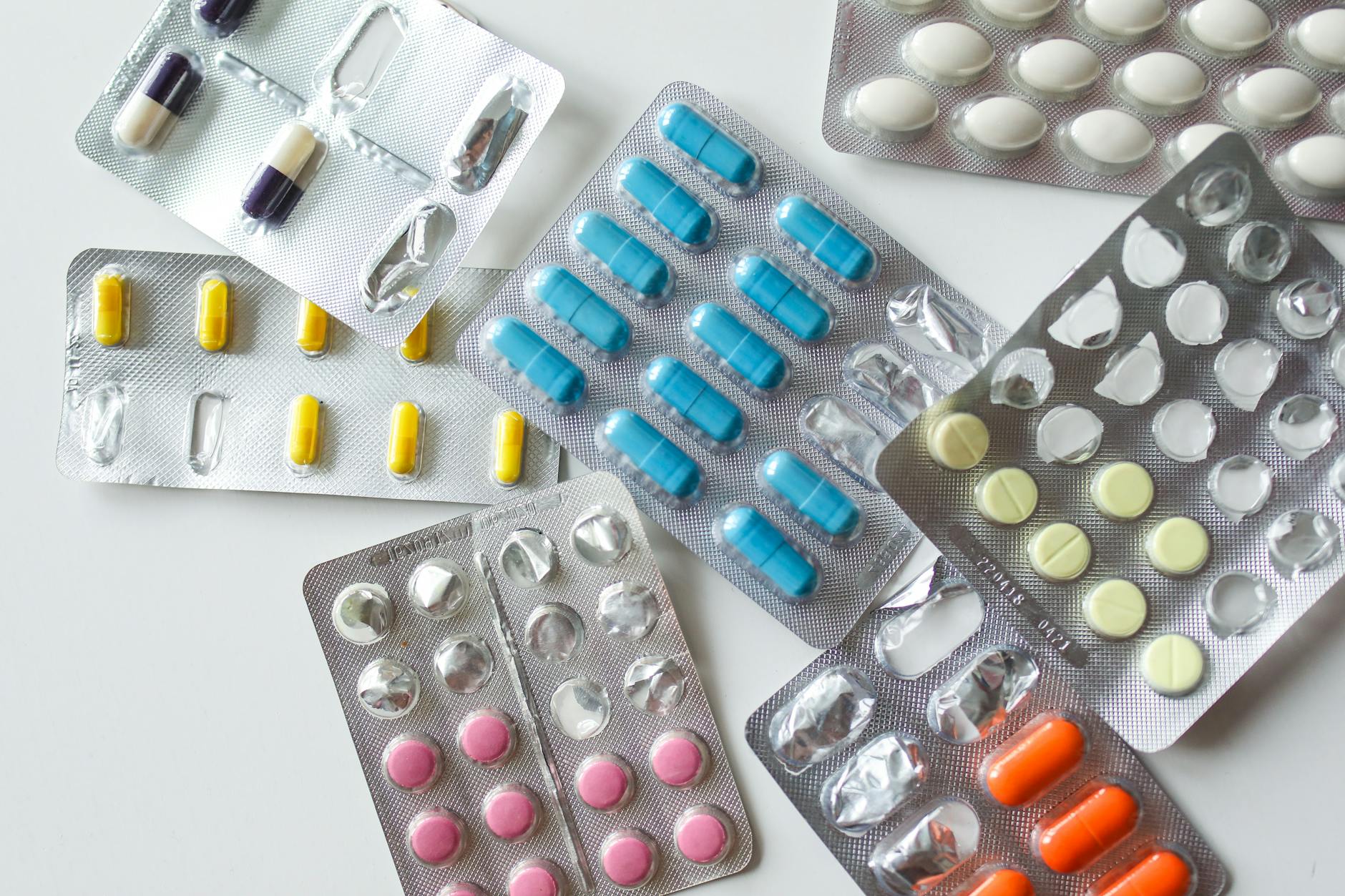
Glucagon-like peptide-1 (GLP-1) receptor agonists, including semaglutide (Ozempic, Wegovy) and tirzepatide (Mounjaro, Zepbound), have changed the conversation about weight loss for people at risk of diabetes.
These medications work by mimicking a natural hormone that reduces appetite, slows stomach emptying, and improves insulin secretion. Clinical trials have shown average weight losses of 15-20% of body weight — far exceeding the 5-7% threshold needed for prediabetes improvement.
Who Might Benefit
GLP-1 medications may be appropriate for people with prediabetes who:
- Have a BMI of 30 or higher (or 27+ with weight-related health conditions)
- Have not achieved sufficient weight loss through lifestyle changes alone
- Have other risk factors that make diabetes prevention urgent
These medications are not a shortcut. They work best alongside dietary changes and physical activity, and weight regain is common if the medication is stopped without maintaining lifestyle habits. Discuss the risks, benefits, and costs with your doctor.
A Realistic Timeline
Understanding what to expect helps you stay on track. Here is a realistic progression based on DPP data and clinical practice:
- Weeks 1-2: Initial water weight changes. You may notice reduced bloating, especially if cutting refined carbs and sodium. This is encouraging but not fat loss yet.
- Weeks 3-8: Steady fat loss of 1-2 pounds per week with consistent calorie deficit. Energy levels typically improve. Fasting glucose may begin to drop.
- Months 2-4: Noticeable body composition changes. Blood sugar improvements become measurable on lab tests. A1C changes take about 3 months to fully reflect.
- Months 4-6: Most DPP participants reached their 7% weight loss goal within this timeframe. This is when prediabetes reversal often becomes evident on lab work.
- Months 6-12: Focus shifts to maintenance. The habits that got you here need to become your default patterns.
Maintaining Weight Loss Long-Term
The DPP 10-year follow-up study found that participants who maintained their weight loss continued to have a 34% lower risk of developing diabetes. Maintenance is where the real benefit lives.
Strategies that support long-term success include:
- Regular weigh-ins: Weekly weighing helps catch small regains early before they become large ones.
- Consistent physical activity: People who maintain weight loss tend to exercise 200-300 minutes per week — more than the initial 150 minutes.
- Flexible eating patterns: Rigid diets break down. Learn to navigate restaurants, holidays, and busy weeks without abandoning your overall pattern.
- Support systems: The CDC’s National Diabetes Prevention Program offers year-long group-based programs covered by many insurance plans.
The Bottom Line
Weight loss is the most powerful tool for reversing prediabetes, and you don’t need to lose dramatic amounts. A 5-7% reduction — achievable through a moderate calorie deficit and 150 minutes of weekly exercise — cuts your diabetes risk by more than half. Set a realistic timeline of 4-6 months, focus on sustainable habits rather than quick fixes, and talk to your doctor about whether medication support makes sense for your situation. The evidence is clear: modest, sustained weight loss works.