Type 2 diabetes treatment starts with metformin for most people, then layers in additional medications based on A1C, weight goals, kidney function, and heart disease history. GLP-1 receptor agonists and SGLT2 inhibitors have become the preferred second-line agents because they protect the heart and kidneys in addition to lowering glucose. Insulin is added when other approaches cannot reach the target.
The Stepwise Treatment Framework
The American Diabetes Association’s 2024 Standards of Care outlines treatment by patient profile rather than a strict ladder. The key questions are:
- Does the person have established atherosclerotic cardiovascular disease (ASCVD), heart failure, or chronic kidney disease (CKD)?
- Is weight loss a priority?
- Is hypoglycemia particularly risky (older adults, those living alone)?
- What does insurance cover, and what is the out-of-pocket cost?
For broader context on prediabetes-stage decisions, see our medication for prediabetes page.
First-Line: Metformin
Metformin is still the cornerstone for most newly diagnosed adults with type 2 diabetes:
- Reduces liver glucose production and modestly improves insulin sensitivity.
- Lowers A1C by 1.0 to 1.5 percentage points.
- Does not cause hypoglycemia by itself.
- Weight neutral or slightly weight-reducing.
- Inexpensive and widely available.
- Common side effect: GI upset, often improved with extended-release formulations.
- Not used when eGFR is below 30; dose-adjusted between 30 and 45.
- Long-term use can lower vitamin B12; periodic checks are reasonable.
Read more about metformin in our dedicated guide on metformin for prediabetes.
Second-Line Choices: GLP-1 and SGLT2
For most people who need more than metformin, the next step is a GLP-1 receptor agonist or SGLT2 inhibitor. The choice depends on the dominant clinical concern.
GLP-1 Receptor Agonists
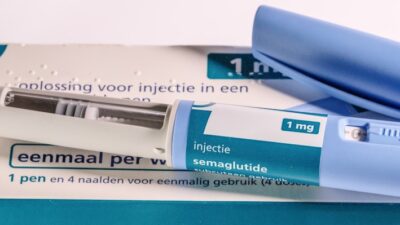
Examples include semaglutide (Ozempic, Rybelsus), liraglutide (Victoza), dulaglutide (Trulicity), exenatide (Byetta, Bydureon), and the dual GIP/GLP-1 agonist tirzepatide (Mounjaro).
- A1C reduction: 1.0 to 2.0 percentage points (highest with semaglutide and tirzepatide).
- Weight loss: 5 to 20 percent of body weight depending on agent and dose.
- Cardiovascular benefit: liraglutide, semaglutide, and dulaglutide reduce major cardiovascular events in patients with established disease.
- Common side effects: nausea, vomiting, constipation, usually transient.
- Mostly weekly subcutaneous injections; oral semaglutide is daily.
SGLT2 Inhibitors
Examples include empagliflozin (Jardiance), dapagliflozin (Farxiga), canagliflozin (Invokana), and ertugliflozin (Steglatro).
- A1C reduction: 0.5 to 1.0 percentage point.
- Modest weight loss (2 to 3 percent) and small blood pressure reduction.
- Reduce hospitalizations for heart failure.
- Slow chronic kidney disease progression in people with diabetes and in many without.
- Common side effects: genital yeast infections, urinary tract infections, dehydration.
- Rare but serious: euglycemic diabetic ketoacidosis (DKA can occur with normal glucose), lower-limb amputation (canagliflozin warning).
Other Oral Options
DPP-4 Inhibitors
Sitagliptin (Januvia), linagliptin (Tradjenta), saxagliptin (Onglyza), alogliptin. Modest A1C reduction (0.5 to 0.8 percentage points), weight neutral, low hypoglycemia risk. Useful when GLP-1 or SGLT2 are not options. Saxagliptin and alogliptin carry a heart failure warning.
Sulfonylureas
Glipizide, glimepiride, glyburide. Inexpensive and effective, but cause weight gain and the highest hypoglycemia risk among oral diabetes drugs. Glyburide is generally avoided in older adults.
Thiazolidinediones (TZDs)
Pioglitazone, rosiglitazone. Improve insulin sensitivity. Drawbacks include weight gain, fluid retention (worsening heart failure), increased fracture risk, and a possible small increase in bladder cancer with long-term pioglitazone.
Meglitinides
Repaglinide, nateglinide. Short-acting insulin secretagogues taken before meals. Less commonly used today.
Combination Therapy
Most people with type 2 diabetes eventually need two or more medications. Common pairings:
- Metformin + GLP-1 agonist
- Metformin + SGLT2 inhibitor
- Metformin + DPP-4 inhibitor
- Metformin + basal insulin
- GLP-1 agonist + SGLT2 inhibitor (for cardiovascular and renal benefit)
Many fixed-dose combinations are available (e.g., metformin/empagliflozin, metformin/sitagliptin, basal insulin/GLP-1 in one pen) to reduce pill or injection burden.
When Insulin Enters the Picture
Insulin is added when:
- A1C remains above target despite metformin plus one or two other classes.
- A1C is 10 percent or higher at diagnosis with symptoms (very high glucose, weight loss).
- The person is hospitalized, undergoing surgery, or seriously ill.
- Pregnancy with diabetes when oral options are not sufficient.
- Significant weight loss and ketones suggest insulin deficiency rather than resistance.
The usual starting strategy is a once-daily long-acting (basal) insulin such as glargine, detemir, or degludec, often added to existing oral and non-insulin injectable therapy. Mealtime (bolus) insulin is added later if needed.
Comparison Table: Common Type 2 Medications
| Medication | Class | Typical A1C Drop | Weight Effect | Hypoglycemia Risk |
|---|---|---|---|---|
| Metformin | Biguanide | 1.0 to 1.5 | Neutral / slight loss | Low |
| Semaglutide | GLP-1 | 1.5 to 2.0 | Significant loss | Low |
| Tirzepatide | GIP/GLP-1 | 1.7 to 2.4 | Largest loss | Low |
| Empagliflozin | SGLT2 | 0.5 to 1.0 | Mild loss | Low |
| Sitagliptin | DPP-4 | 0.5 to 0.8 | Neutral | Low |
| Glipizide | Sulfonylurea | 1.0 to 1.5 | Gain | Moderate to high |
| Pioglitazone | TZD | 0.5 to 1.4 | Gain | Low |
| Glargine (basal) | Insulin | Variable | Gain | High |
Lifestyle Is Still Foundational
Medications work best alongside food, activity, sleep, and stress management. Studies of intensive lifestyle change after diagnosis show that significant weight loss can put many people into “remission,” with A1C in the normal or prediabetes range without medications. Whether you achieve remission or stay on medications, ongoing changes amplify drug effects and reduce dose needs. See our is prediabetes reversible page for the underlying science.
Practical Questions to Bring to Your Doctor
- What is my A1C target, given my age and other conditions?
- Do I have heart or kidney disease that should change which class we choose?
- What is the out-of-pocket cost on my insurance?
- What side effects are most likely, and how will we manage them?
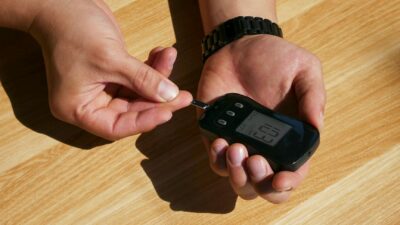
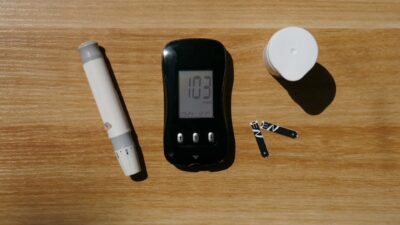
- Should I have a continuous glucose monitor or a home meter?
The Bottom Line
Type 2 diabetes treatment in 2024 is more personalized than ever. Metformin remains the workhorse first-line drug, but GLP-1 agonists and SGLT2 inhibitors increasingly join early because they reduce heart attacks, heart failure hospitalizations, and kidney decline. Insulin is added when needed, often without abandoning other agents. Bring your goals, medical history, and budget to your prescribing clinician so the regimen fits your life. We do not provide prescriptive doses; that conversation belongs with your care team.