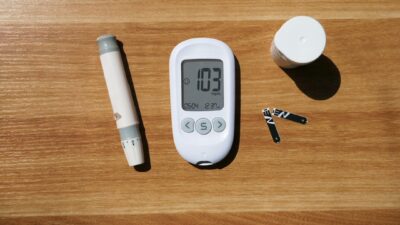
To raise blood sugar quickly and safely, use the 15-15 rule: eat 15 grams of fast-acting carbs (like glucose tablets, 4 oz of juice, or a tablespoon of honey), wait 15 minutes, then recheck your blood sugar. If it’s still below 70 mg/dL, repeat. For severe symptoms — confusion, inability to swallow, unconsciousness — a glucagon injection or nasal spray is needed, and someone should call 911.
When to Raise Your Blood Sugar
Treat any blood glucose reading below 70 mg/dL (3.9 mmol/L), or any time you feel classic hypoglycemia symptoms:
- Shakiness or trembling
- Sweating or clammy skin
- Rapid heartbeat
- Dizziness or lightheadedness
- Hunger or nausea
- Headache or blurred vision
- Irritability, anxiety, or confusion
If symptoms are present and you cannot test, treat first and check later. Missing a true low is riskier than over-treating.
The 15-15 Rule, Step by Step
- Eat 15 grams of fast-acting carbs. Use pure sugar — no fat, no fiber, no protein.
- Wait 15 minutes. Don’t keep eating during the wait; it is tempting but causes overshoot.
- Recheck your blood sugar. If still below 70 mg/dL, repeat steps 1 and 2.
- Once above 70 mg/dL, eat a balanced snack or meal if your next meal is more than an hour away. Include protein, fat, and slow carbs to prevent a relapse.
Children under 12 may need smaller doses (5-10 g). Toddlers may need 5 g.
Best 15-Gram Fast-Acting Carb Options
| Food | Amount for 15 g Carbs | Notes |
|---|---|---|
| Glucose tablets | 3-4 tablets | Fastest, most precise |
| Glucose gel | 1 tube (15 g) | Useful if you can’t chew |
| Fruit juice | 4 oz (½ cup) | Orange, apple, or grape |
| Regular soda | 4 oz (½ cup) | Not diet |
| Honey or sugar | 1 Tbsp | Plain; not in hot tea |
| Hard candy | 5-6 pieces | Lifesavers, Jolly Ranchers |
| Gummy candy | 15 g worth (label check) | About 4-5 gummy bears |
| Raisins | 2 Tbsp | Good for pocket carry |
| Skim milk | 1 cup | Slower than juice |
What NOT to Use
These foods raise blood sugar too slowly to be effective first-line treatment:
- Chocolate, ice cream, and other sweet treats with fat — fat delays absorption.
- Peanut butter crackers, nuts, granola bars — protein and fiber slow digestion.
- Whole grains, bread, pasta — too slow.
- Diet soda, zero-calorie drinks — no sugar.
- Large quantities of anything — leads to rebound highs.
Severe Hypoglycemia: When to Use Glucagon
Severe hypoglycemia means the person cannot safely swallow — confusion, unresponsiveness, seizure, or unconsciousness. Do NOT try to force food or liquid into their mouth.
Steps
- Position the person on their side (recovery position).
- Give glucagon — either an injection (Gvoke, Baqsimi nasal spray, old-style emergency kit) per device instructions.
- Call 911.
- Glucagon should raise blood sugar in 5-15 minutes. When the person wakes and can swallow, give fast-acting carbs followed by a snack.
- Stay with them until emergency services arrive or they fully recover and have retested.
Everyone at risk of severe hypoglycemia — anyone on insulin or sulfonylureas — should have an unexpired glucagon kit at home and teach family, roommates, or coworkers how to use it.
What Causes Low Blood Sugar?
Common triggers in people with diabetes:
- Too much insulin or sulfonylurea
- Skipped or delayed meals
- Intense or prolonged exercise
- Alcohol, especially on an empty stomach
- Vomiting or diarrhea
- Kidney or liver impairment
In people without diabetes, rare causes include reactive hypoglycemia after meals, hormonal issues (adrenal insufficiency), or insulinomas. Recurrent lows in a non-diabetic adult warrant medical evaluation.
Preventing the Next Low
- Eat on a schedule. Don’t skip meals, especially if on glucose-lowering medication.
- Plan for exercise. Check before, during, and after. Reduce insulin or eat extra carbs as directed.
- Carry emergency carbs. Glucose tablets in your bag, desk, car, and nightstand.
- Avoid drinking on an empty stomach. Alcohol delays liver glucose release for up to 24 hours.
- Review medications. If you’re having frequent lows, your doctor may adjust doses.
- Consider a continuous glucose monitor (CGM). Alerts before you crash.
- Wear medical ID. Speeds up correct treatment in an emergency.
After the Low: Why You Feel Awful
Many people feel wiped out, headachy, or anxious for hours after a significant low. This is normal. Your brain had its preferred fuel cut off, and stress hormones (adrenaline, cortisol) spiked. Rest, hydrate, and eat a balanced meal. Let your clinician know if lows are recurring — a pattern usually means a medication or lifestyle change is needed.
Special Situations
Overnight Lows
Signs include waking up sweaty, with a headache, or with unusually high morning blood sugar (rebound). Check around 3 a.m. for a week if you suspect this. See our article on hypoglycemia treatment for longer-term management.
Hypoglycemia Unawareness
Some people with long-standing diabetes stop feeling symptoms until the low is severe. Using a CGM, setting higher glucose targets temporarily, and avoiding any lows for 2-3 weeks can restore warning signs.
After Alcohol
Alcohol suppresses liver glucose release, so lows can occur hours later. Eat before and while drinking, and have a protein + carb snack at bedtime.
Around Exercise
Lows can happen during, immediately after, or up to 12 hours after hard workouts. Check before, during, and for several hours after. Keep a glucose source nearby.
Related Reading
For foods that work well after the immediate correction, see our article on prediabetes treatment and the best foods for prediabetes list. Exercise timing tips are in our exercise for prediabetes guide.
The Bottom Line
Raising low blood sugar is a drill you can master in minutes: 15 grams of pure carbs, wait 15 minutes, retest, repeat if needed, then anchor with a balanced snack. Keep glucose tablets and a glucagon kit stocked, teach the people around you how to help, and track patterns so you can work with your clinician to prevent future lows. Quick action protects your brain, and prevention protects your quality of life.