Insulin shock is a medical emergency in which blood glucose drops so low that the brain cannot function normally — typically under 54 mg/dL. It causes confusion, slurred speech, seizures, or loss of consciousness and requires immediate fast-acting carbohydrate, glucagon, or a 911 call.
What Insulin Shock Is
“Insulin shock” is a popular term for severe hypoglycemia — blood sugar low enough to impair thinking. The American Diabetes Association grades hypoglycemia into three levels.
| Level | Glucose | Description |
|---|---|---|
| Level 1 | 54-70 mg/dL | Alert, symptomatic, self-treatable |
| Level 2 | Under 54 mg/dL | Clinically significant, neurological symptoms likely |
| Level 3 (severe) | Any value causing altered consciousness | Needs help from another person |
Insulin shock usually corresponds to Level 2 or 3.
Symptoms
Symptoms progress as glucose falls. Early autonomic signs are driven by adrenaline; later neuroglycopenic signs reflect brain fuel deprivation.
Early (adrenergic) symptoms
- Shakiness or trembling
- Sweating
- Rapid heartbeat or palpitations
- Hunger
- Anxiety or irritability
- Pale skin
Late (neuroglycopenic) symptoms
- Confusion, disorientation
- Slurred speech
- Blurred or double vision
- Weakness, poor coordination
- Drowsiness
- Seizures
- Loss of consciousness
People with long-standing diabetes can develop hypoglycemia unawareness, skipping early symptoms and going directly to confusion or seizure. Continuous glucose monitors with low-glucose alarms are recommended when this happens.
Causes
- Too much insulin: dosing error, overlapping rapid and long-acting doses, or unexpected pump bolus.
- Too many diabetes pills: sulfonylureas (glipizide, glyburide) and glinides can push glucose dangerously low, especially in older adults.
- Skipped or delayed meals after taking mealtime insulin.
- Exercise that was heavier or longer than usual, especially without carb adjustment.
- Alcohol, which blocks the liver’s gluconeogenesis.
- Kidney disease, which slows insulin clearance.
- Weight loss or new medications that change insulin sensitivity.
Emergency Response: Step by Step
If the person is awake and can swallow
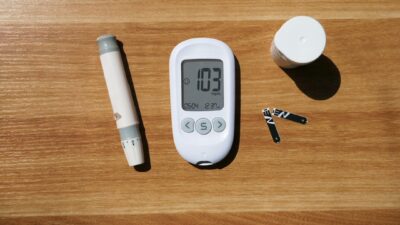
- Check blood glucose if a meter is available.
- Give 15 grams of fast-acting carbohydrate: 4 glucose tablets, 4 ounces (half cup) of juice or regular soda, 1 tablespoon of honey or sugar, or a tube of glucose gel.
- Wait 15 minutes and recheck.
- Repeat the 15 grams if still under 70 mg/dL. This is the 15-15 rule.
- Once glucose is above 70 mg/dL, give a snack containing protein and complex carbs (cheese and crackers, peanut butter on whole-grain toast) to prevent rebound lows.
If the person is unconscious, seizing, or cannot swallow
- Do not put food or liquid in the mouth — aspiration risk.
- Administer glucagon: intramuscular injection (1 mg) or nasal spray (3 mg). Prefilled autoinjectors (Gvoke HypoPen) and nasal devices (Baqsimi) simplify use.
- Roll the person onto their side in case of vomiting.
- Call 911.
- Expect the person to wake within 10-15 minutes; nausea and headache are common afterward.
- Once alert and able to swallow, give carbohydrate and protein to prevent another drop.
For gentler lows that catch it early, see our hypoglycemia treatment guide.
When to Call 911
- Unconsciousness, seizure, or inability to swallow
- No glucagon available
- Glucose stays under 70 mg/dL after two 15-gram carb doses
- Symptoms reappear within an hour
- The episode is caused by a long-acting sulfonylurea (risk of rebound low for 24+ hours)
- The person was drinking alcohol, may have taken extra medication, or has liver or kidney disease
Recovery and Follow-Up
After an episode, review the last 24 hours:
- Dose of insulin or other glucose-lowering medication
- Meal timing and carb content
- Exercise and its intensity
- Alcohol intake
- New medications or illnesses
Bring your meter or CGM data to your next visit. Clinicians may lower insulin doses, switch from a sulfonylurea to a safer agent, or add a continuous glucose monitor. The CDC’s hypoglycemia resources outline self-care steps.
Preventing Future Episodes
- Carry fast-acting carbs at all times.
- Keep a glucagon kit at home, at work, and with travel companions.
- Teach family, coworkers, and teachers how to recognize signs and use glucagon.
- Wear medical ID jewelry or use a smartphone medical ID.
- Test before driving and pull over for any symptom.
- Set CGM low alerts at 80-85 mg/dL for an early buffer.
- Adjust insulin for planned exercise and avoid alcohol on an empty stomach.
Supplies to Keep On Hand
| Item | Purpose |
|---|---|
| Glucose tablets or gel | Fast-acting carb for conscious lows |
| Juice box (4 oz) | Portable 15 g carb |
| Glucagon (injection or nasal) | Emergency for unconscious person |
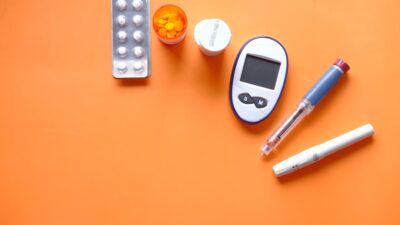
| Blood glucose meter + strips | Confirm low and track recovery |
| Medical ID | Alerts first responders |
| Emergency contacts | Posted on fridge and phone |
The Bottom Line
Insulin shock is severe hypoglycemia, and the response must be fast: glucose by mouth if the person can swallow, glucagon and 911 if they cannot. The 15-15 rule handles most mild episodes, but any loss of consciousness, seizure, or failure to recover after two carb doses is an emergency. Review every severe low with your clinician and adjust the plan so the next one never happens.