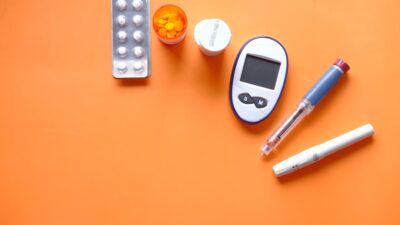
Hypoglycemia self-care means having a planned, practiced response to low blood sugar (under 70 mg/dL) and a system for preventing it. The core tools are the 15-15 rule, fast-acting glucose, a medical ID, a glucagon kit, and clear communication with the people around you. This guide walks through each piece and the habits that prevent most lows in the first place.
What Counts as Low Blood Sugar
| Level | Range (mg/dL) | Symptoms | Action |
|---|---|---|---|
| Level 1 (alert) | 54-69 | Shakiness, sweating, hunger, irritability | 15-15 rule |
| Level 2 (clinically significant) | Below 54 | Confusion, blurred vision, weakness | 15-15 rule, do not delay |
| Level 3 (severe) | Any level with altered mentation | Unable to self-treat, seizure, unconscious | Glucagon, call 911 |
The 15-15 Rule, Step by Step
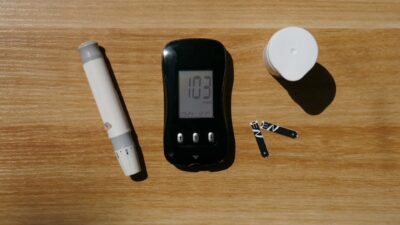
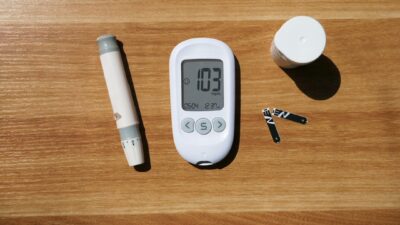
- Confirm the low with a finger-stick if possible.
- Eat 15 grams of fast-acting carbohydrate.
- Wait 15 minutes — set a timer.
- Recheck blood sugar.
- If still below 70 mg/dL, repeat with another 15 grams.
- Once back above 70, eat a small protein-plus-carb snack if your next meal is more than an hour away.
Examples of 15 Grams of Fast Carbs
- 3-4 glucose tablets
- 1 tube of glucose gel
- 4 oz (1/2 cup) regular juice or regular soda
- 1 tablespoon honey, syrup, or sugar
- 6 jelly beans
- 1 tablespoon raisins
Avoid foods with fat or protein (chocolate, ice cream, peanut butter) as your first treatment — fat slows glucose absorption when you need a fast fix.
Building Your Hypoglycemia Toolkit
Daily Carry
- Glucose tablets or gel (purse, pocket, backpack)
- Glucose meter and strips, or CGM
- A snack bar with carbs and protein for follow-up
- Medical ID bracelet, necklace, or wallet card
Home Kit
- Multiple glucose sources (tablets, juice boxes)
- Glucagon nasal spray or auto-injector — check expiration twice yearly
- Backup meter, strips, batteries, lancets
- Written low blood sugar action plan posted on the refrigerator
Car and Workplace
- A duplicate small kit in the car (avoid extreme heat — replace if damaged)
- A kit at your desk and one in the lunchroom
- Inform a coworker or manager about your condition and where supplies are
Medical ID Bracelets and Cards
If you take insulin, a sulfonylurea, or any medication that can cause severe lows, a medical ID is essential. First responders are trained to look for them. Include:
- “Type 1 diabetes” or “Type 2 diabetes — insulin”
- Allergies
- Emergency contact name and phone
- “In emergency, give glucose or glucagon”
Glucagon: The Severe Low Lifesaver
Glucagon raises blood sugar fast by signaling the liver to release stored glucose. It is for situations where the person cannot safely eat or drink. Modern options include:
- Nasal glucagon — single-use spray, no mixing, works even if nose is congested
- Auto-injector pen — pre-mixed, ready to inject in the thigh
- Traditional kit — requires mixing powder and liquid; less common today
Train family members, roommates, school staff, or coworkers in advance. After giving glucagon: place the person on their side (vomiting is common), call 911, and stay with them. Most people regain consciousness within 10-15 minutes.
Preventing Hypoglycemia
Eating Patterns
- Don’t skip meals when on glucose-lowering medication
- Eat consistent carb amounts at consistent times
- Carry a snack for unexpected delays
- Limit alcohol; never drink on an empty stomach
Medication Timing
- Take insulin and sulfonylureas exactly as prescribed
- Adjust doses for changes in eating or activity per your provider’s plan
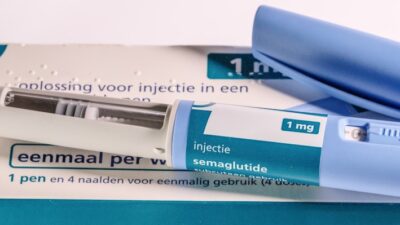
- Use insulin pen needles with care; double-check unit doses
Exercise
- Check blood sugar before, during (long sessions), and after exercise
- Have fast carbs nearby
- Reduce insulin or eat a small carb snack before vigorous activity, per your plan
- Watch for delayed lows up to 24 hours after intense exercise
Driving
- Always check blood sugar before driving
- Do not drive if below 90 mg/dL — treat first, recheck
- Keep glucose tablets in the door pocket, not the glove box (where you can’t reach quickly)
- Pull over immediately if you feel symptoms
Traveling with Hypoglycemia Risk
| Item | How Much / How Many |
|---|---|
| Insulin and other meds | 2x what you expect to need |
| Glucose tablets | 2-3 tubes minimum |
| Glucagon | 1-2 unexpired kits |
| Test strips and lancets | 2x normal supply |
| Sensor backups (if CGM) | 1-2 extra sensors |
| Snacks | Carry-on, plus checked bag |
| Doctor’s letter | Lists meds and devices for TSA |
| Insurance card and prescription copies | Paper and digital |
Cross time zones gradually and ask your provider how to adjust insulin schedules. For broader treatment guidance, see our hypoglycemia treatment overview.
Hypoglycemia Unawareness
Frequent lows can blunt your warning symptoms — a dangerous condition called hypoglycemia unawareness. According to the American Diabetes Association, avoiding lows for 2-3 weeks can restore symptom awareness in many people. Continuous glucose monitors with alarms are particularly helpful.
Talk to your provider if you’ve had two or more lows in a week, lows you don’t feel coming on, or any severe low requiring help. Visit our treatment hub for more options.
When to Call Your Doctor
- Lows happen twice or more per week
- You have lost the ability to feel symptoms
- You needed someone else’s help to treat a low
- You used glucagon
- You went to the ER for a low
The Bottom Line
Hypoglycemia self-care is about preparation as much as response. Master the 15-15 rule, build a kit you carry everywhere, wear a medical ID, keep glucagon on hand, and tell the people in your life how to help. Most lows can be prevented with consistent meals, careful medication timing, and pre-exercise checks. If lows are happening more than once a week or sneaking up without symptoms, that is a signal to call your provider for a treatment review.