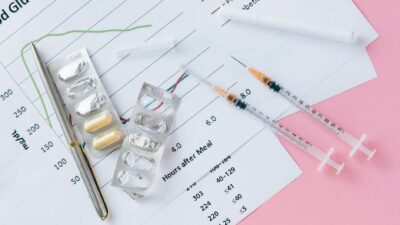
Insulin pen needles are the short, disposable needles that screw onto the tip of an insulin pen before each injection. They come in lengths of 4 mm to 12 mm and gauges of 29G to 34G. For most adults and children, a 4 mm or 5 mm needle in a 32-34 gauge is the best balance of comfort and accurate delivery, according to the American Diabetes Association and international injection technique guidelines.
How Needle Length and Gauge Work
Two numbers describe every pen needle: length (in millimeters) and gauge (a measure of outer diameter where larger numbers mean thinner needles). Length determines how deep the needle penetrates. Gauge determines how much the skin is stretched on entry and how quickly insulin flows through the lumen.
Shorter needles reduce the chance of accidentally injecting into muscle, which speeds insulin absorption unpredictably. Thinner needles reduce pain and bruising. Modern micro-bore needles have been re-engineered so that even 34-gauge needles deliver a full bolus in under a second, eliminating the old concern that thin needles “push back” during injection.
Common Pen Needle Sizes
| Length | Typical Gauge | Who It Is For |
|---|---|---|
| 4 mm | 32-34G | Most adults and children; recommended first-line by ADA |
| 5 mm | 31-32G | Adults who prefer slightly longer needle; still no muscle risk in most |
| 6 mm | 31-32G | Older standard; requires skin pinch in thin adults and all children |
| 8 mm | 30-31G | Older option, rarely recommended today |
| 12 mm | 29G | Largely obsolete; higher risk of intramuscular delivery |
Why Shorter Needles Are Preferred
A 2016 consensus paper from an international panel of injection experts, published in Mayo Clinic Proceedings, reviewed dozens of trials and concluded that 4 mm pen needles are safe and effective for all patients — including people with overweight or obesity. Shorter needles reached the subcutaneous fat layer without risking intramuscular injection, which can cause rapid and unpredictable insulin absorption leading to hypoglycemia.
Shorter needles also reduce injection anxiety, especially for children and needle-phobic adults. This matters for adherence: people who find injections painful are more likely to skip doses.
How to Choose the Right Pen Needle
Start with these questions:
- Are you adult or child? Children should generally use 4 mm; adults can use 4 mm or 5 mm.
- Do injections hurt? Try a higher gauge (32G or 34G) to reduce discomfort.
- Do you have lipohypertrophy? Rotate sites carefully; shorter needles reduce trauma at each site.
- Are you on high doses? Very large boluses may split-dose better across two injections than push back against a thin needle.
- Insurance coverage? Generic pen needles are now widely covered and comparable to brand-name options.
Proper Injection Technique
Correct technique matters more than needle length. The American Diabetes Association recommends:
- Wash hands with soap and water.
- Wipe the injection site with alcohol if skin is visibly soiled; otherwise not strictly required.
- Attach a new pen needle and perform an air shot (2 units) to clear the needle and confirm flow.
- Dial the prescribed dose.
- Inject at a 90-degree angle (or with skin pinch for longer needles or thin patients).
- Hold the needle in for 10 seconds to ensure full dose delivery.
- Withdraw and immediately remove the needle from the pen.
- Dispose in an FDA-cleared sharps container.
Injection Sites and Rotation
The subcutaneous fat of the abdomen (at least 2 inches from the navel), thighs, upper buttocks, and outer upper arms all work. Rotate within the same general area to prevent lipohypertrophy — those rubbery lumps of fatty tissue that can cause erratic insulin absorption. A 2-centimeter spacing between consecutive injections is a good rule of thumb.
What Can Go Wrong
- Bent needles: Caused by reuse or pressing too hard; always use a fresh needle.
- Leakage: Insulin backing out after withdrawal — usually means the needle was withdrawn too quickly; hold for 10 seconds.
- Bruising: More common with thicker or reused needles, or when a small blood vessel is hit. Rotate sites.
- Lipohypertrophy: Lumps from repeated injections in one spot, leading to unpredictable absorption.
- Pain: Try a thinner gauge or shorter needle; make sure insulin is at room temperature.
Safety Needles for Caregivers
Safety pen needles (such as BD AutoShield Duo) have a built-in shield that covers the needle automatically after injection. These are recommended for caregivers giving injections to someone else — nurses, family members, and home health aides — to reduce needlestick injuries. Safety needles are generally more expensive, but many insurance plans cover them when used by a professional caregiver.
Cost and Insurance
Generic pen needles have greatly reduced cost in recent years. A 100-count box retails for $15-$30 without insurance and typically under $10 with commercial coverage. Medicare Part D covers pen needles under most plans when prescribed alongside insulin. Manufacturer savings programs and pharmacy discount cards can further reduce out-of-pocket spending.
Disposing of Used Needles
Never throw pen needles in household trash. Use an FDA-cleared sharps container and follow local disposal rules — many pharmacies, police stations, and hospitals accept full containers. If a sharps container is unavailable, a heavy-duty plastic laundry detergent bottle with a secure cap is an acceptable short-term alternative. Online mail-back services are available if curbside disposal is not an option.
How Pen Needles Fit Into Diabetes Management
Pen needles are a small but consistent part of daily life for anyone on injectable insulin or GLP-1 receptor agonists. The right needle matters — not for A1C reduction per se, but for adherence, comfort, and long-term site health. For a broader look at where insulin delivery fits into diabetes care, read our treatment overview. If you are exploring whether injectable therapy is needed at all, see our guide to reversing prediabetes through lifestyle changes.
The Bottom Line
A 4 mm or 5 mm insulin pen needle in 32-34 gauge is the best choice for most adults and children. Shorter and thinner means less pain, no more muscle injection risk, and equally accurate dosing. Always use a fresh needle, rotate sites, and dispose safely in a sharps container. If injections hurt, bruise, or leak, ask your clinician or certified diabetes care and education specialist for a technique check before switching brands.
Sources
- American Diabetes Association. Standards of Care in Diabetes 2025 — Pharmacologic Approaches.
- Frid AH, Kreugel G, Grassi G, et al. New Insulin Delivery Recommendations. Mayo Clin Proc. 2016;91(9):1231-1255.
- Centers for Disease Control and Prevention. Insulin Basics.
- National Institute of Diabetes and Digestive and Kidney Diseases. Insulin and Other Diabetes Treatments.