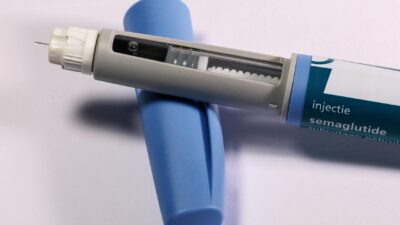
The Lantus pen is a device for injecting insulin glargine, a long-acting basal insulin that lasts about 24 hours. Used once daily at the same time, it provides steady background insulin coverage for people with type 1 or type 2 diabetes. The most common version is the pre-filled, disposable SoloStar pen.
What Lantus Is and What a Lantus Pen Delivers
Lantus is the brand name for insulin glargine U-100, manufactured by Sanofi. According to the FDA prescribing information, glargine forms microprecipitates after subcutaneous injection that slowly dissolve and release insulin over roughly 24 hours, producing a fairly flat basal profile.
A Lantus pen is simply a delivery device — a self-contained injector that holds insulin glargine and lets you dial a dose. Pens are accurate, portable, and more discreet than syringes.
Types of Lantus Pens
| Pen | Type | Units | Dose Range |
|---|---|---|---|
| Lantus SoloStar | Disposable, pre-filled | 300 | 1 to 80 units, 1-unit steps |
| Lantus ClikSTAR / AllStar | Reusable (cartridge) | 300 per cartridge | 1 to 80 units |
| Lantus vial (not a pen) | Used with syringe | 1,000 | Per syringe graduations |
In the U.S. the SoloStar is the most widely distributed Lantus pen. Reusable systems are more common internationally. Biosimilars of insulin glargine — such as Semglee (interchangeable) and Basaglar (KwikPen) — deliver equivalent clinical effects and are often lower cost.
Step-by-Step Injection Technique
- Wash your hands and gather your pen, a new pen needle, alcohol wipe, and sharps container.
- Inspect the pen. Check the label, expiration date, and in-use date you wrote on the label. Lantus should be clear and colorless — never cloudy, tinted, or with particles.
- Attach a new needle. Wipe the rubber seal, screw on a new pen needle, and remove the outer and inner needle caps.
- Prime (safety test). Dial 2 units. Hold the pen with the needle pointing up, tap the cartridge gently to move air bubbles to the top, and press the injection button. A drop of insulin should appear. If not, repeat the test up to three times.
- Dial your dose. Turn the dose selector until your prescribed dose lines up in the dose window. You can turn it backward without wasting insulin.
- Choose and prep the site. Abdomen (at least 2 inches from the navel), upper outer thigh, or upper outer arm. Clean with an alcohol wipe if your regimen calls for it (many people skip this; both are acceptable).
- Inject. Pinch up skin if using a longer needle. Insert the needle at 90 degrees, press the injection button all the way, and hold the needle in place for at least 10 seconds.
- Remove and dispose. Replace the outer needle shield carefully, unscrew the needle, and drop it into a sharps container. Recap the pen.
If the dose counter shows fewer remaining units than you need, you will need to either dial the remaining units and take the balance from a new pen, or follow your clinician’s specific guidance.
Injection Sites and Rotation
Glargine absorbs fairly consistently from abdomen, thigh, and arm. Still, rotation within an area is essential to prevent lipohypertrophy — fatty lumps from repeat injections. Divide each area into a grid and move about an inch between injections. Avoid scars, stretch marks, moles, and any skin that looks lumpy or feels firm.
Lipohypertrophy causes unpredictable insulin absorption, which means confusing highs and lows. If you notice lumps, stop injecting there and tell your clinician.
Dose Timing
Most people take Lantus once daily, at the same time each day. Morning and bedtime both work — pick a time you can keep consistent. Some clinicians prescribe a split dose (twice daily) if glucose tracking reveals the effect wanes before 24 hours. Keep a log, share it with your care team, and adjust A1C and fasting glucose interpretations with them.
Storage Rules
| Status | Where | How Long |
|---|---|---|
| Unopened | Refrigerator (36 to 46 F) | Until expiration date |
| Unopened at room temperature | Below 86 F, away from direct light and heat | Up to 28 days |
| In use (after first injection) | Room temperature — do not refrigerate | 28 days, then discard |
| Frozen, overheated, or expired | Discard | Do not use |
Write the date of first use on each pen. Set a calendar reminder 28 days later. Cloudy, frosted, or discolored Lantus should always be discarded — it indicates the protein has degraded.
Common Mistakes to Avoid
- Skipping the safety test. Priming confirms insulin flow and clears bubbles.
- Reusing needles. Dulls the tip, increases pain, and raises infection and lipohypertrophy risk.
- Pulling the needle out too fast. Insulin can leak, causing an underdose.
- Storing an in-use pen in the fridge. Causes stinging and bubble formation.
- Mixing Lantus with any other insulin. Changes the time-action profile and is never recommended.
- Injecting into the same spot day after day. Causes lipohypertrophy and erratic absorption.
Hypoglycemia: What to Watch For
Basal insulins have a lower hypoglycemia risk than peaking insulins like NPH, but lows still occur — particularly overnight or when meals are skipped, activity is heavy, or alcohol is consumed. According to the NIDDK, warning signs include shakiness, sweating, rapid heartbeat, hunger, irritability, confusion, and dizziness.
Carry fast-acting carbohydrates — glucose tablets, juice, regular soda. The “15-15 rule” is standard: 15 grams of fast carbs, wait 15 minutes, recheck. Repeat if needed. Severe hypoglycemia (inability to self-treat) should be managed with glucagon and emergency services.
Special Situations
- Sick days: Continue basal insulin even if you are not eating; illness usually raises insulin needs. Monitor glucose and ketones more often.
- Exercise: Plan activity around your basal background. Rapid-acting doses are adjusted for meals, not basal, but exercise timing may shift hypoglycemia risk.
- Pregnancy: Long-acting analogs may be used during pregnancy under specialist supervision. NPH and detemir have more established safety data in some guidelines.
- Travel across time zones: Work with your care team to adjust timing on travel days so your once-daily dose does not stack or leave a gap.
Lantus Pen vs. Other Basal Pens
| Feature | Lantus SoloStar | Basaglar KwikPen | Toujeo SoloStar | Tresiba FlexTouch |
|---|---|---|---|---|
| Active ingredient | Glargine U-100 | Glargine U-100 (biosimilar) | Glargine U-300 | Degludec |
| Duration | ~24 h | ~24 h | Up to 36 h | >42 h |
| Max dose per injection | 80 units | 60 units | 80 units | 80 or 160 units |
Switching between these pens is not unit-for-unit — clinicians adjust doses when changing formulations.
Cost and Access
Since 2023, Sanofi has capped Lantus out-of-pocket cost at $35/month for many patients. Medicare caps insulin copays at $35 per month per covered insulin as well. If you are uninsured or underinsured, ask your pharmacist about manufacturer savings cards and patient assistance programs, or consider biosimilars like Semglee that deliver equivalent results at lower list prices. Cost should never be a reason to ration insulin — call your clinician or pharmacist for a same-day plan.
When to Contact Your Healthcare Team
- Repeated lows, especially overnight.
- Persistent fasting highs that are not improving with titration.
- Lumps or firm areas at injection sites.
- Illness, surgery, pregnancy, or major changes in weight, diet, or activity.
- Any confusion about dose, timing, or storage.
Think of the Lantus pen as one tool within a full diabetes treatment plan that also includes glucose monitoring, diet, activity, and periodic A1C checks.
The Bottom Line
The Lantus pen makes long-acting basal insulin delivery simple when you use it correctly. Prime it, dial accurately, rotate sites, respect the 28-day in-use window, and never mix it with other insulins. Pair those habits with consistent timing and honest communication with your care team, and your basal insulin can provide the stable background your body needs to handle meals and movement with fewer surprises.