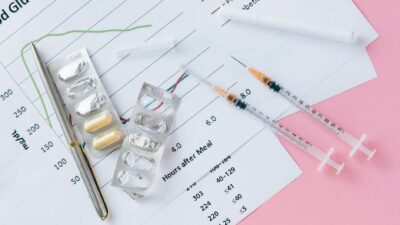
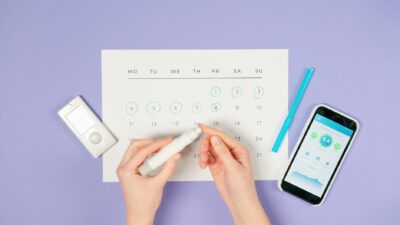
The Lantus SoloStar pen is a pre-filled, disposable injector pen containing insulin glargine U-100, a long-acting basal insulin taken once daily to help control background blood sugar. Each pen holds 300 units and lets you dial doses from 1 to 80 units in single-unit steps.
What the Lantus SoloStar Pen Is
Lantus is the brand name for insulin glargine, a long-acting analog insulin manufactured by Sanofi. The SoloStar is one delivery format for this medication, alongside vials used with syringes. According to the FDA prescribing information, glargine forms microprecipitates in subcutaneous tissue that slowly release insulin over roughly 24 hours, providing a relatively flat basal coverage without a pronounced peak.
People with type 1 diabetes use Lantus as part of a basal-bolus regimen alongside mealtime rapid-acting insulin. People with type 2 diabetes may use it alone or in combination with oral medications or GLP-1 receptor agonists. Your diabetes treatment plan should be built with a clinician who understands your full medical history.
How the SoloStar Pen Works
The SoloStar is designed to be simple and portable. Key features include:
- Pre-filled cartridge: 300 units of insulin glargine per pen — no cartridge change needed.
- Dose dial: Adjustable from 1 to 80 units in 1-unit increments.
- Disposable design: Once empty or past 28 days of in-use storage, the entire pen is discarded.
- Low injection force: Engineered so that higher doses do not require excessive thumb pressure.
Each injection requires a new, single-use pen needle (typically 4 mm or 5 mm), which screws onto the pen tip and is removed immediately after injection.
Step-by-Step: How to Use a Lantus SoloStar Pen
These steps summarize the manufacturer’s instructions. Always review the full Instructions for Use that come with the device.
- Inspect the pen. Check the label and expiration date. The insulin should look clear and colorless, not cloudy or tinted.
- Attach a new needle. Wipe the rubber seal with alcohol, then screw on a new pen needle. Remove both caps.
- Prime the pen (safety test). Dial 2 units, hold the pen needle-up, tap the cartridge to move air bubbles to the top, and press the injection button. A drop of insulin should appear. If not, repeat up to three times.
- Dial your prescribed dose. Turn the dose selector until the correct number lines up in the dose window.
- Inject. Pinch a fold of skin if instructed, insert the needle at 90 degrees into the abdomen, thigh, or upper arm, and press the button fully. Hold for at least 10 seconds before withdrawing.
- Remove and dispose of the needle. Recap the outer needle shield, unscrew the needle, and drop it in a sharps container. Replace the pen cap.
If the dose window shows fewer units remaining than you need, you may need to use a second pen for the balance — or consult your pharmacist for guidance.
Dosing Basics
Dosing is highly individual and must be determined by your prescriber. The FDA label notes that Lantus is typically given once daily at the same time each day. Some people use a split dose (twice daily) if their clinician prefers, though off-label dosing decisions belong to your care team.
Factors that influence your starting dose include current A1C, body weight, kidney function, concurrent medications, and whether you are insulin-naive or transitioning from another basal insulin. People transitioning from NPH insulin typically start at about 80% of the total daily NPH dose, per FDA labeling. Understanding your A1C levels helps you and your clinician judge whether a basal dose needs adjustment over time.
Injection Sites and Rotation
Lantus can be injected into the abdomen (at least two inches from the navel), the front or outer thigh, or the outer upper arm. Absorption is fairly consistent across these sites for glargine, but rotating within an area still matters.
Rotating sites helps prevent lipohypertrophy, the fatty lumps that form in overused injection areas. Insulin absorbed from a lipohypertrophic site is erratic and can cause unpredictable highs and lows. A practical rotation is to divide each area into a grid and move about one inch between injections.
Storage Rules You Should Not Skip
| Pen Status | Where to Store | How Long |
|---|---|---|
| Unopened (new) | Refrigerator, 36 to 46 F (2 to 8 C) | Until expiration date on pen |
| Unopened, left at room temperature | Below 86 F (30 C), away from heat and light | Up to 28 days |
| In use (first injection taken) | Room temperature, do not refrigerate | 28 days, then discard |
| Frozen or overheated | Do not use | Discard immediately |
Write the date of first use on the pen label. After 28 days of in-use storage, discard even if insulin remains. Efficacy drops and protein degradation can affect glucose control.
Common Mistakes to Avoid
- Skipping the safety test. Priming confirms the pen is working and clears air bubbles that would reduce the delivered dose.
- Reusing pen needles. Dull needles hurt more and can deform, leaving tissue damage and inaccurate doses.
- Rushing the 10-second hold. Pulling the needle out too quickly can cause insulin to leak from the injection site.
- Storing the in-use pen in the fridge. Cold insulin stings and may cause bubble formation in the cartridge.
- Mixing Lantus with other insulins. It must be injected alone, never combined in a syringe or pen.
Signs of Hypoglycemia to Watch For
Long-acting insulin lowers the risk of dramatic spikes from boluses, but hypoglycemia is still the most common side effect. According to the NIDDK, warning signs include shakiness, sweating, rapid heartbeat, hunger, irritability, and confusion. Severe hypoglycemia can cause loss of consciousness. Keep fast-acting carbohydrates (glucose tablets, juice) within reach, especially overnight when basal insulin is doing most of its work.
When to Call Your Healthcare Team
Contact your clinician if you experience repeated lows, fasting highs above your target range, injection-site reactions, suspected lipohypertrophy, or if you cannot afford your prescription. Lantus has an authorized generic (Semglee and biosimilars) that may lower out-of-pocket cost. Never stop or change a dose without medical input, especially during illness, surgery, pregnancy, or significant changes in activity or diet.
Lantus SoloStar vs. Other Basal Pens
| Feature | Lantus SoloStar | Toujeo SoloStar | Basaglar KwikPen |
|---|---|---|---|
| Active ingredient | Insulin glargine U-100 | Insulin glargine U-300 | Insulin glargine U-100 (biosimilar) |
| Units per pen | 300 | 450 | 300 |
| Max dose per injection | 80 units | 80 units | 60 units |
| Typical duration | ~24 hours | Up to 36 hours | ~24 hours |
Switching between these pens is not a simple unit-for-unit swap. Your clinician will adjust the dose based on the product’s concentration and pharmacokinetics.
The Bottom Line
The Lantus SoloStar pen offers a straightforward way to deliver long-acting basal insulin once daily. Correct use comes down to five habits: inspect and prime before every injection, dial the prescribed dose, rotate sites, respect the 28-day in-use window, and never mix with other insulins. Pair the mechanics of injection with ongoing conversations about your A1C, fasting numbers, and any hypoglycemia, and your basal coverage can support a stable glucose foundation as part of a broader treatment plan.