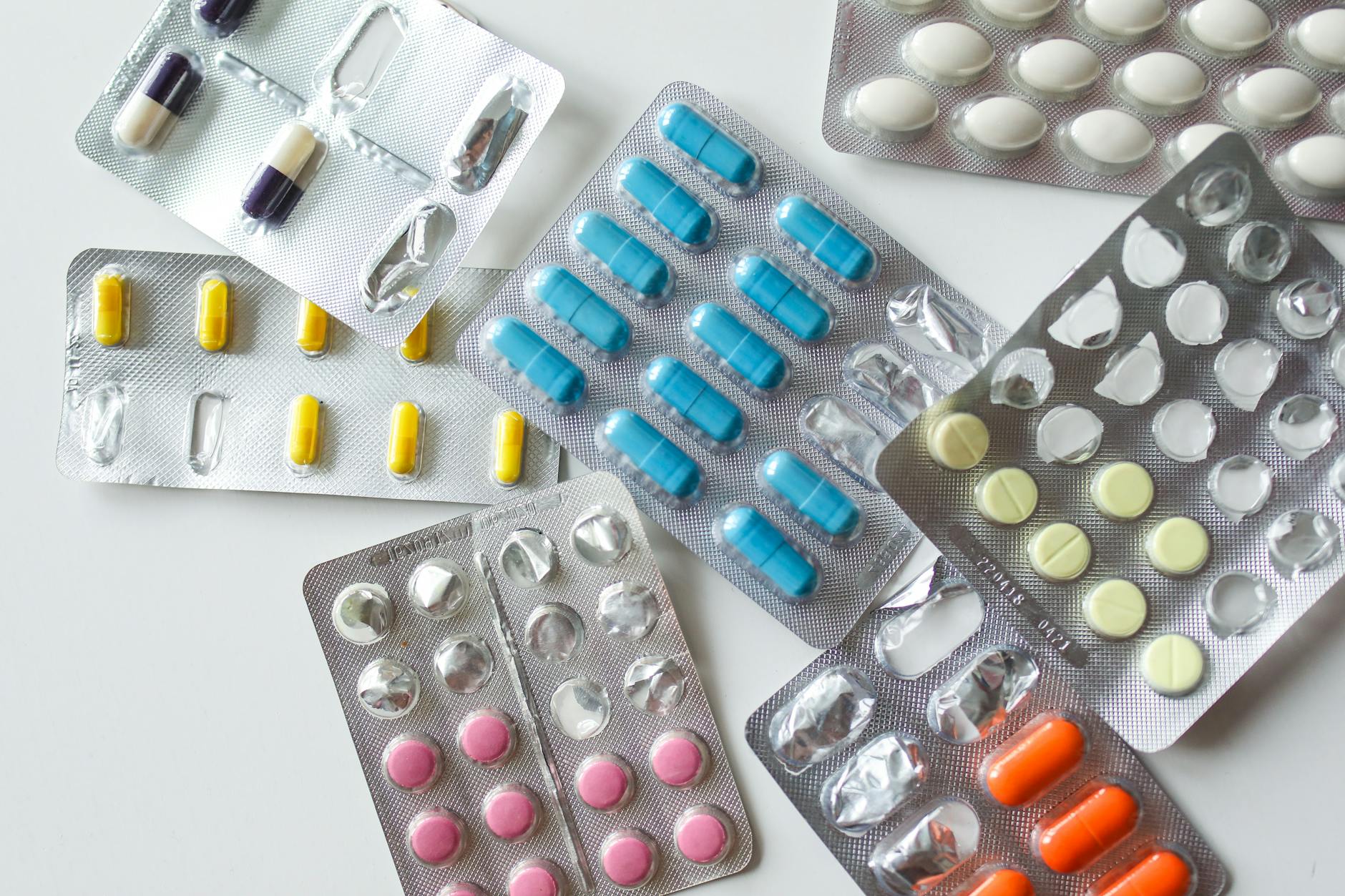
Natural remedies for prediabetes range from well-studied supplements like berberine and cinnamon to lifestyle strategies that have decades of clinical evidence behind them. While no supplement can replace a healthy diet and regular exercise, several natural options show real promise for supporting blood sugar management.
Why People Look for Natural Remedies
A prediabetes diagnosis means your blood sugar is higher than normal but not yet in the diabetes range. According to the CDC, more than 1 in 3 American adults have prediabetes, and most don’t know it. Many people prefer to explore natural approaches before — or alongside — medication.
The good news is that prediabetes is reversible. The Diabetes Prevention Program (DPP) trial showed that lifestyle changes reduced diabetes risk by 58% — more effective than metformin alone. Natural supplements may provide additional support, but they work best as part of a broader plan.
Cinnamon: Cassia vs. Ceylon
Cinnamon is one of the most popular natural remedies for blood sugar. It contains compounds called polyphenols that may improve insulin sensitivity by activating insulin receptor signaling pathways.
What the Research Shows
A meta-analysis published in the Annals of Family Medicine found that cinnamon supplementation (1-6 grams daily) reduced fasting glucose by an average of 10-25 mg/dL in people with type 2 diabetes. Results in prediabetes populations are less studied but appear promising.
Cassia vs. Ceylon: Which to Choose
There are two main types of cinnamon, and the difference matters:
- Cassia cinnamon — The common grocery store variety. Contains high levels of coumarin, which can stress the liver in large doses. Most studies used cassia.
- Ceylon cinnamon — Often called “true cinnamon.” Contains very little coumarin, making it safer for daily supplementation. Less studied but believed to have similar benefits.
If you plan to take cinnamon regularly, Ceylon is the safer long-term choice. Typical study doses range from 1 to 6 grams per day.
Berberine: The Strongest Evidence
Berberine is a compound found in several plants, including goldenseal, barberry, and Oregon grape. It has the most robust clinical evidence among natural blood sugar supplements.
How Berberine Works
Berberine activates an enzyme called AMP-activated protein kinase (AMPK), which plays a central role in regulating metabolism. This is actually a similar pathway to how metformin works, which is why berberine is sometimes called “nature’s metformin.”
Clinical Evidence
A study published in Metabolism found that berberine lowered fasting blood glucose by an average of 25 mg/dL and reduced A1C by 0.5-0.9% over 3 months. Multiple meta-analyses have confirmed these findings. The typical effective dose in studies is 500 mg taken two to three times daily with meals.
Important caution: Berberine can interact with many medications, including metformin, and may cause digestive side effects. Always consult your doctor before starting berberine.
Alpha-Lipoic Acid (ALA)
Alpha-lipoic acid is a naturally occurring antioxidant that your body produces in small amounts. It is widely used in Europe for diabetic neuropathy and has shown moderate blood sugar benefits.
ALA appears to improve insulin sensitivity by enhancing glucose uptake into cells. Studies suggest doses of 600-1,200 mg daily may reduce fasting glucose by 10-15 mg/dL. The evidence is moderate — not as strong as berberine, but consistent across several trials.
ALA also has antioxidant properties that may help protect against the oxidative stress associated with high blood sugar levels.
Chromium
Chromium is a trace mineral involved in insulin signaling. Chromium picolinate is the most studied form for blood sugar management.
The evidence for chromium is mixed. Some studies show modest improvements in fasting glucose (5-15 mg/dL reduction), while others show no significant benefit. A review by the National Center for Complementary and Integrative Health concluded that chromium may have small benefits for people with diabetes, but the evidence is not strong enough to make firm recommendations.
Typical supplemental doses range from 200 to 1,000 mcg daily. Chromium from food sources (broccoli, whole grains, nuts) is also beneficial.
Fenugreek
Fenugreek seeds contain soluble fiber and compounds called saponins that may slow carbohydrate digestion and improve insulin function. Traditional medicine has used fenugreek for blood sugar management for centuries.
Clinical studies suggest that 5-50 grams of fenugreek seed powder daily may reduce fasting glucose by 10-20 mg/dL. The high fiber content also helps slow the post-meal blood sugar spike. The evidence is moderate, with most studies conducted in people with type 2 diabetes rather than prediabetes specifically.
Common side effects include digestive discomfort and a maple syrup-like body odor. Fenugreek may also interact with blood-thinning medications.
Bitter Melon
Bitter melon (Momordica charantia) is a tropical fruit used in Asian, African, and Caribbean traditional medicine for blood sugar control. It contains compounds that mimic insulin’s action and may help glucose enter cells.
The evidence for bitter melon is moderate but growing. Some studies show fasting glucose reductions of 10-20 mg/dL, though study quality varies. Bitter melon can be consumed as a food, tea, or supplement. Typical supplemental doses are 500-2,000 mg of dried extract daily.
Supplement Comparison Table
| Supplement | Evidence Level | Mechanism | Typical Dose | Fasting Glucose Reduction |
|---|---|---|---|---|
| Berberine | Strong | Activates AMPK enzyme, improves insulin sensitivity | 500 mg 2-3x/day | 15-25 mg/dL |
| Cinnamon (Ceylon) | Moderate | Improves insulin receptor signaling | 1-6 g/day | 10-25 mg/dL |
| Alpha-Lipoic Acid | Moderate | Antioxidant, enhances glucose uptake | 600-1,200 mg/day | 10-15 mg/dL |
| Chromium Picolinate | Mixed | Enhances insulin signaling | 200-1,000 mcg/day | 5-15 mg/dL |
| Fenugreek | Moderate | Soluble fiber slows carb absorption | 5-50 g seed/day | 10-20 mg/dL |
| Bitter Melon | Moderate | Insulin-mimicking compounds | 500-2,000 mg/day | 10-20 mg/dL |
Beyond Supplements: Lifestyle Changes That Work
While supplements can be helpful additions, the most powerful natural remedies for prediabetes are lifestyle changes. The DPP trial — the largest and most rigorous prediabetes study ever conducted — proved this conclusively.
Diet Modifications
Shifting your diet toward whole foods, vegetables, lean proteins, and healthy fats has a greater impact on blood sugar than any single supplement. Focus on reducing refined carbohydrates and added sugars, increasing fiber intake to 25-30 grams daily, and eating regular, balanced meals.
Physical Activity
The DPP protocol included 150 minutes per week of moderate-intensity exercise (like brisk walking). This alone improves insulin sensitivity significantly. Both aerobic exercise and resistance training help, and combining them appears most effective.
Weight Management
Losing just 5-7% of body weight (10-14 pounds for a 200-pound person) reduced diabetes risk by 58% in the DPP trial. This modest amount of weight loss has an outsized effect on insulin sensitivity and blood sugar levels.
Sleep and Stress
Poor sleep (less than 6 hours per night) and chronic stress both increase insulin resistance. Prioritizing 7-8 hours of quality sleep and managing stress through techniques like mindfulness or regular physical activity can meaningfully improve blood sugar control.
Safety Considerations
Natural does not always mean safe. Keep these points in mind:
- Drug interactions: Berberine, cinnamon, and fenugreek can interact with diabetes medications, blood thinners, and other drugs.
- Quality control: Supplements are not regulated as strictly as medications. Choose brands that carry USP, NSF, or ConsumerLab verification.
- Hypoglycemia risk: Combining blood-sugar-lowering supplements with each other or with medication can drop blood sugar too low.
- Pregnancy: Many of these supplements are not studied in pregnant or breastfeeding women.
For a deeper look at specific supplement options, see our comprehensive supplements for prediabetes guide.
The Bottom Line
Several natural remedies show genuine promise for supporting blood sugar management in prediabetes. Berberine has the strongest clinical evidence, followed by cinnamon and alpha-lipoic acid. However, no supplement replaces the proven benefits of a healthy diet, regular exercise, and modest weight loss. Think of supplements as potential additions to — not replacements for — a solid lifestyle foundation. Always talk to your doctor before starting any supplement, especially if you take medications for blood sugar or other conditions.