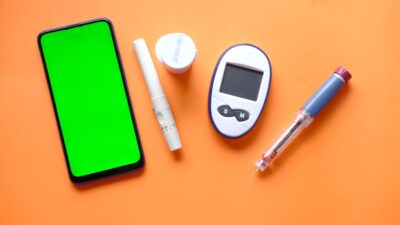
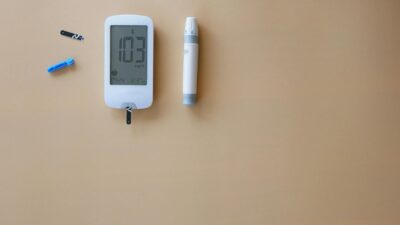
The Dexcom G8 is the expected next-generation sensor in the Dexcom G-series of continuous glucose monitors (CGMs). As of 2026, the company’s marketed flagship is the Dexcom G7; references to a Dexcom G8 reflect the anticipated successor. Regardless of generation, understanding how Dexcom’s G-series works — its architecture, accuracy, and intended use — sets realistic expectations for anyone considering it.
Placing Dexcom G8 in the G-Series Timeline
The Dexcom G-series has progressed through multiple generations, each bringing improvements in size, wear time, calibration, and connectivity. Dexcom G6 was a factory-calibrated CGM widely used in type 1 and type 2 diabetes. Dexcom G7 shrank the footprint, shortened warm-up, and streamlined the phone experience. Any Dexcom G8 is expected to continue that trajectory. Because the specific feature set and FDA-cleared indications for a Dexcom G8 depend on future regulatory action and public announcements, this article focuses on what the G-series reliably offers today.
How a Dexcom G-Series CGM Works
Like other modern CGMs, Dexcom G-series sensors measure glucose in interstitial fluid, not blood. A thin filament sits under the skin with an enzyme that generates an electrical signal proportional to glucose concentration. Onboard electronics convert the signal into glucose estimates and transmit them by Bluetooth to a smartphone app or compatible receiver.
Current Dexcom G-series sensors are factory-calibrated. Readings update frequently — every minute or every five minutes depending on the generation — and include a trend arrow showing direction and speed of change. Real-time alerts for high and low glucose are a defining feature of the G-series, distinguishing it from some purely scan-based or wellness-oriented devices.
Accuracy in the Dexcom G-Series
Published accuracy for Dexcom G6 and G7, expressed as MARD against laboratory reference, is in the single digits. That accuracy supports use in people who make important decisions based on CGM readings, including insulin users. Actual performance varies by wear site, first-day performance, rapid glucose changes, pressure during sleep, and individual physiology. Any Dexcom G8 would need to demonstrate similar or better accuracy to earn FDA clearance.
| Feature | Dexcom G-Series (Current) |
|---|---|
| Measurement | Interstitial glucose, continuous |
| Calibration | Factory-calibrated |
| Reading cadence | Every 1–5 minutes (varies by model) |
| Wear duration | Typically around 10 days per sensor |
| Alerts | Real-time high/low/urgent low alerts |
| Pump integration | Available with select insulin pumps |
| Data sharing | Cloud-based sharing with caregivers and clinicians |
Who Dexcom G-Series CGMs Are For
Dexcom G-series CGMs are primarily designed for people with diabetes, including:
- Adults and children with type 1 diabetes (specific age ranges depend on the device label).
- Adults with type 2 diabetes, especially those using insulin.
- Pregnant patients with diabetes, per individual device labeling.
- People using integrated insulin pump systems.
Unlike the over-the-counter Dexcom Stelo product, the Dexcom G-series is a prescription-grade CGM intended to support clinical decision-making. For people reviewing A1C levels and exploring whether CGM fits their care plan, the G-series is typically considered alongside a structured diabetes management strategy.
How Clinicians Typically Use the Data
The deep value of any Dexcom G-series CGM comes from pattern-level data:
- Time in range — the percentage of time glucose stays between 70 and 180 mg/dL.
- Time below range — a key hypoglycemia safety indicator.
- Glucose variability — how dramatically glucose swings across days.
- Post-meal excursions — which directly tie back to diet and nutrition decisions.
These metrics feed into the Ambulatory Glucose Profile (AGP) report, which is now a standard starting point for adjusting a diabetes treatment plan.
What We Can and Cannot Say About Dexcom G8
Any specific claims about Dexcom G8 — its wear time, size, sensor accuracy, or launch date — should come from official Dexcom communications and FDA clearance documents. Marketing sheets, forum posts, and unofficial leaks are not a reliable basis for health decisions. When a G8 is officially released, the same framework applies: review the FDA-cleared indications, examine published accuracy data, and discuss fit with your clinician.
Practical Considerations for Any Dexcom CGM
- Insurance coverage varies by plan, indication, and insulin use; pre-approval often helps.
- Adhesive sensitivity differs between users — trial several sessions before long-term commitment.
- Compression lows during sleep are real; rotating insertion sites helps.
- Sharing data with your clinician through Dexcom Clarity or a similar platform streamlines visits.
Medical Disclaimer
This article is educational and is not medical advice. Product availability, FDA-cleared indications, and features change over time. Always verify device information from official Dexcom and FDA sources, and involve a licensed clinician in device selection and treatment decisions.
The Bottom Line
The Dexcom G8 sits in the expected future of the Dexcom G-series. For people researching it today, the most reliable playbook is to understand the current G-series well — continuous interstitial glucose measurement, factory calibration, single-digit MARD, real-time alerts, and pump integration — and then evaluate any new generation against that baseline. Most importantly, device selection for diabetes is a clinical decision. Bring your questions to your doctor or diabetes educator before committing to any CGM platform.