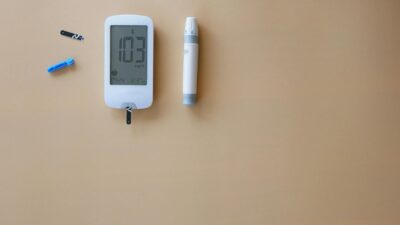
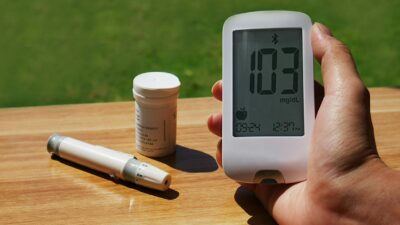
A non invasive blood sugar monitor — a device that reads blood glucose without any skin contact beneath the surface — is the product most shoppers wish existed. It does not, at least in an FDA-cleared consumer form as of 2026. The closest legitimate alternative is a minimally invasive continuous glucose monitor (CGM), which most people find painless and highly convenient.
What Shoppers Actually Want
Market research from diabetes technology companies consistently finds three top consumer priorities when people search for a “non invasive blood sugar monitor”:
- No fingersticks. The daily lancet routine is the number-one complaint among people with diabetes.
- Continuous data. Single numbers miss context. People want trend graphs, highs, lows, and time-in-range.
- Phone integration. A wearable that streams to iOS or Android feels modern and fits into daily life.
Modern CGMs check all three boxes. The only feature they do not provide is zero skin penetration — a hair-thin filament sits just beneath the skin for 10 to 15 days. For most users, applying one feels like a soft press; many report not feeling it at all.
The Non Invasive Products You See Online
A web search for “non invasive blood sugar monitor” typically surfaces smartwatches, smart rings, and patches that claim to measure blood glucose through the skin. Most of these products fall into three categories:
- Unapproved imports shipped from overseas with FDA-style logos but no actual FDA clearance.
- “Wellness” or “estimated” glucose devices that use heart-rate and activity data to infer glucose trends without direct measurement.
- Pilot or investigational devices that may be in clinical trials but have not reached consumer sale.
None of these should be used for diabetes decisions. The FDA’s February 2024 safety communication explicitly warns that relying on such devices for glucose readings “could result in errors in diabetes management, such as errors in dosing of medications.”
What Is Actually Available (and Cleared)
Several FDA-cleared CGMs come closer to the “non invasive” ideal than anything else on the market. The table compares the main options for adults.
| Device | Prescription? | Wear Time | Reading Frequency | Phone App |
|---|---|---|---|---|
| Dexcom G7 | Yes | 10 days | Every 5 minutes | iOS & Android |
| FreeStyle Libre 3 | Yes | 14 days | Every minute | iOS & Android |
| Abbott Stelo | No (OTC) | 15 days | Every 15 minutes | iOS & Android |
| Dexcom Stelo | No (OTC) | 15 days | Every 15 minutes | iOS & Android |
| Eversense E3 | Yes (implanted) | 180 days | Every 5 minutes | iOS & Android |
Over-the-Counter CGMs Change the Calculation
In March 2024, Abbott Stelo became the first FDA-cleared over-the-counter CGM for adults 18 and older who do not take insulin. Dexcom Stelo followed shortly after. These devices expanded access to continuous glucose monitoring for people with prediabetes, type 2 diabetes managed with lifestyle or oral medications, or those curious about how their meals, workouts, and sleep affect glucose.
OTC CGMs update less frequently (every 15 minutes versus every 1-5 minutes for prescription models) and are not indicated for people who use insulin. But for most consumers originally looking for a non invasive monitor, they deliver close to the same experience.
How to Use a CGM Day to Day
Application is straightforward. You wipe a spot on the back of your upper arm (or abdomen, depending on the device) with alcohol, press the spring-loaded applicator against the skin, and the sensor deploys in under a second. After a 30-60 minute warm-up, readings stream to your phone. Most users apply sensors themselves; clinician insertion is not required.
To get value from the data, pair each reading trend with lifestyle context. Learn which meals spike you most, whether a short walk after dinner flattens the curve, and how stress or poor sleep shifts your baseline. Many users find the first 2-4 weeks educational and motivating.
What About Accuracy?
FDA-cleared CGMs typically achieve a mean absolute relative difference (MARD) of 8-10%. In practical terms, a sensor reading 120 mg/dL usually reflects an actual blood glucose of 108-132 mg/dL. That is accurate enough for lifestyle decisions and, for prescription models, insulin dosing. Unvalidated non invasive devices have never published MARD data meeting this bar.
Choosing the Right Device
Match the device to your goals. If you use insulin, you need a prescription CGM like Dexcom G7 or FreeStyle Libre 3, both of which integrate with insulin pumps. If you have prediabetes or type 2 diabetes without insulin, an OTC CGM may be sufficient and avoids prior-authorization hassles. Your prediabetes treatment plan should guide the choice alongside your clinician.
Verifying FDA Clearance Before You Buy
Any legitimate glucose monitor lists a 510(k) number, De Novo authorization, or PMA approval on its packaging and website. You can search the FDA’s device database at fda.gov to confirm. If a product claims non invasive glucose measurement but does not appear in the FDA database under a glucose monitoring indication, it is not cleared — no matter how slick the marketing. Social-media testimonials and celebrity endorsements are not substitutes for FDA clearance.
The Bottom Line
A true non invasive blood sugar monitor is still a future product, not a current one. For now, FDA-cleared minimally invasive CGMs deliver essentially the experience shoppers are looking for — no fingersticks, continuous data, phone integration — with a validated accuracy profile. Avoid unvetted rings and watches that claim to measure glucose, and talk with your clinician about which cleared option fits your needs.
Medical disclaimer: This article is for educational purposes only and is not a substitute for professional medical advice, diagnosis, or treatment. Always consult your physician before choosing or relying on any glucose monitoring device.