A diabetes glucose monitor is any device that measures your blood sugar, and in 2026 that means either a fingerstick meter or a continuous glucose monitor (CGM). Meters give you a single number from a drop of blood, while CGMs stream readings from a sensor worn on the arm every one to five minutes. Both categories are FDA-regulated and, when used correctly, give accurate data for treatment decisions.
Two Main Types of Diabetes Glucose Monitor
Understanding the landscape helps you choose.
Fingerstick Blood Glucose Meters
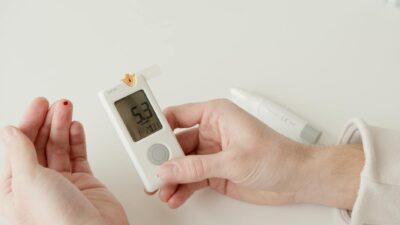
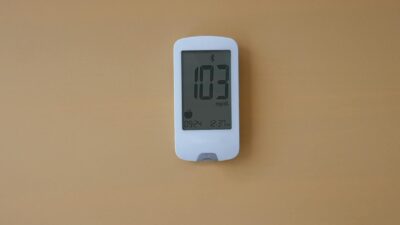
A meter draws a tiny drop of capillary blood from a finger (or, with some models, an alternate site like the palm or forearm) onto a disposable test strip. The strip’s enzyme chemistry generates an electric signal the meter converts into a glucose number within about five seconds.
- Representative brands: Contour Next One, OneTouch Verio Reflect, Accu-Chek Guide, ReliOn Premier.
- Strip cost: roughly 0.20 to 1.00 dollar per strip, depending on brand and retailer.
- Key accessories: lancets, lancing device, control solution.
Continuous Glucose Monitors (CGMs)
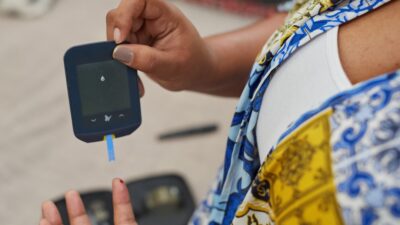
A CGM sensor worn on the back of the upper arm measures glucose in interstitial fluid and transmits readings to a phone app or receiver. No routine fingersticks are required for FDA-cleared integrated CGMs.
- Representative brands: Dexcom G7, Dexcom Stelo (OTC), FreeStyle Libre 3 Plus, Senseonics Eversense 365.
- Sensor wear time: 10 to 15 days for wearables; 365 days for implanted Eversense.
- Monthly cost without insurance: 80 to 300 dollars depending on sensor.
Accuracy Standards for a Diabetes Glucose Monitor
The FDA clears blood glucose meters using the ISO 15197:2013 standard, which requires 95 percent of results to be within plus or minus 15 percent of a laboratory reference (or plus or minus 15 mg/dL for values below 100 mg/dL). CGMs are evaluated with mean absolute relative difference (MARD); best-in-class sensors now hit 8 to 10 percent MARD, meaning a 200 mg/dL value may read about 180 to 220 mg/dL.
Both are accurate enough to guide care when you follow technique basics:
- Wash hands before every fingerstick — residue can skew readings dramatically high.
- Use in-date strips stored at room temperature.
- Change lancets regularly to reduce pain.
- Apply CGMs on clean, dry skin with the included adhesive fully sealed.
- Calibrate or confirm with a fingerstick when readings don’t match symptoms.
Fingerstick vs CGM: Which Diabetes Glucose Monitor Is Right for You?
| Feature | Fingerstick Meter | Continuous Glucose Monitor |
|---|---|---|
| Cost to start | $10 to $80 meter; $0.20 to $1 per strip | $80 to $300+ per month |
| Prescription required | No | Yes (except Dexcom Stelo) |
| Readings per day | 2 to 10 depending on use | 288 to 1,440 automatically |
| Trend data | None | Real-time arrow and chart |
| Alerts for highs/lows | No | Yes |
| Effort per reading | Prick, strip, wait | Glance at phone/watch |
For type 1 diabetes and insulin-using type 2, the ADA Standards of Care recommend a CGM whenever possible. For non-insulin type 2 and prediabetes, either works, and many people start with a meter and add a short CGM trial. If you are exploring whether a borderline A1C deserves monitoring, our A1C levels guide explains target ranges.
How to Use a Fingerstick Diabetes Glucose Monitor
- Wash hands with warm soapy water; dry thoroughly.
- Insert a fresh test strip into the meter. Check the code matches if required.
- Prick the side of a fingertip with a clean lancet. Sides are less painful than pads.
- Bring the drop of blood to the strip’s target area until the meter beeps.
- Read the number in about 5 seconds. Log it or sync to an app.
- Dispose of the lancet in a sharps container.
How to Use a CGM
- Apply the sensor on the back of your upper arm after cleaning the skin.
- Pair the sensor with the companion app (Dexcom G7, LibreLink, Stelo).
- Wait for the warm-up period (30 to 60 minutes).
- Set high, low, and urgent-low alerts per your clinician’s guidance.
- Confirm with a fingerstick if symptoms do not match the reading.
- Replace the sensor at the end of its wear time.
Cost and Insurance Considerations
Fingerstick meters are usually the least expensive option. The meter itself is often under 30 dollars, and manufacturer savings programs routinely make strips available for under 0.30 dollars each. Medicare Part B, Medicaid, and most private plans cover meters and strips at standard DME rates.
CGM coverage is broader than it used to be. Medicare covers therapeutic CGMs for anyone on insulin who meets specific clinical criteria. Many private plans cover CGMs for non-insulin type 2 with documentation. If coverage is denied, manufacturer savings cards and the over-the-counter Dexcom Stelo give cash pathways.
The Bottom Line
A diabetes glucose monitor is either a fingerstick meter or a continuous glucose monitor. Both are FDA-regulated and accurate when used correctly. Fingersticks are cheap and reliable for occasional checks; CGMs give a continuous picture that helps most insulin users and anyone trying to understand how meals, exercise, and sleep affect their numbers. Talk with your clinician about which fits your diabetes type, goals, and insurance.
Medical disclaimer: This article is educational and is not medical advice. Confirm any treatment changes with your healthcare provider and follow the user guide for your specific monitor.